Khyber Pakhtunkhwa Deploys Mobile Drug Testing Laboratories
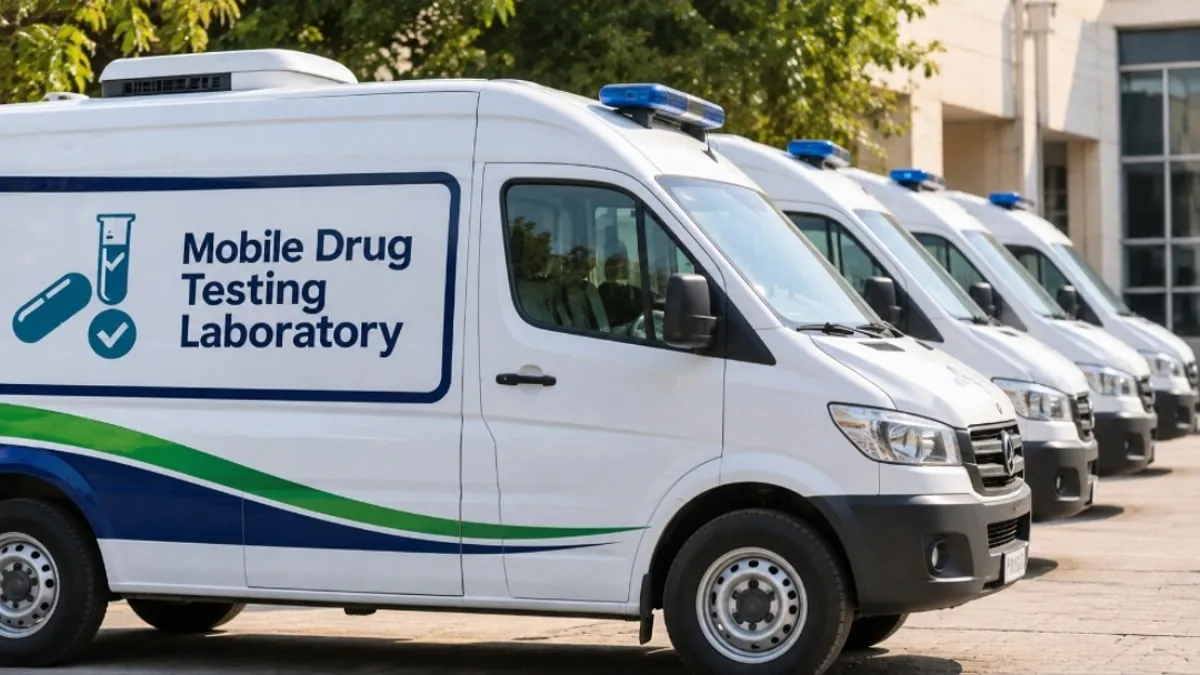
The provincial government in Khyber Pakhtunkhwa is set to integrate five mobile drug screening laboratories into its existing medicine monitoring system next week. These specialized vans aim to transform how health authorities inspect pharmaceutical products in markets across the region, targeting substandard and counterfeit merchandise directly at the point of sale. The initiative represents a direct approach to pharmaceutical oversight, bringing advanced diagnostic tools out of fixed offices and into the streets where everyday citizens purchase their prescriptions and over-the-counter remedies.
Adviser to the governor on health and population Nigar Johar Khan inspected the newly equipped laboratory vans during a visit to the Directorate General of Drug Control and Pharmacy Services on Friday. During this inspection, officials showcased the technical capabilities of the vans and explained how the mobile units will operate once deployed. The official inauguration ceremony for the five laboratories is scheduled to take place at Governor House next Tuesday, marking the formal start of field operations for the fleet.
Advanced Technology for On-Site Medicine Inspection
The newly acquired mobile laboratories feature modern Fourier Transform Infrared Spectroscopy and Raman technologies. These sophisticated analytical tools allow drug inspectors to carry out preliminary tests directly at the inspection site without needing to transport samples back to a central facility immediately. By examining medicines on the spot, inspectors can quickly check chemical composition, active ingredients, and compliance with prescribed strength standards.
This technological upgrade significantly reduces the time required to screen pharmaceutical products. Traditional methods often required inspectors to purchase samples, log them into a bureaucratic system, transport them to a distant laboratory, and wait weeks for results. The new setup bypasses these delays for initial screenings, enabling inspectors to form an immediate assessment of drug authenticity and quality during routine market visits.
Deployment Strategy Across Provincial Divisions
Authorities plan to deploy the five mobile laboratories across different divisions of Khyber Pakhtunkhwa. This regional distribution ensures that urban centers and remote markets alike receive regular oversight from drug control personnel. Instead of relying solely on fixed testing facilities in major cities, the mobile units can travel to district headquarters, rural markets, and industrial areas where pharmaceutical distribution points operate.
During her visit to the Directorate General of Drug Control and Pharmacy Services, Khan also toured various sections of the department. She received a detailed briefing on its regulatory functions, ongoing medicine quality monitoring programs, and specific measures designed to ensure the continuous availability of safe medicines for the public. Officials outlined how the deployment of the vans fits into the broader administrative framework governing health and population welfare in the province.
Protocol for Suspicious and Substandard Pharmaceuticals
While the mobile laboratories provide rapid preliminary screening, they also serve as a filtering mechanism for more rigorous legal and chemical investigations. If preliminary screening identifies suspicious or substandard medicines in a local shop or pharmacy, inspectors follow a strict protocol. They collect formal samples from the suspect batch and send them to the established Drug Testing Laboratory in Peshawar for detailed analysis and further regulatory action.
This two-tier approach balances speed with legal thoroughness. The initial field test gives inspectors reasonable grounds to flag a product, while the subsequent analysis in Peshawar provides the certified evidence required for administrative penalties, product recalls, or legal prosecutions against entities distributing counterfeit goods. By combining rapid field screening with definitive laboratory confirmation, the health administration aims to create a stronger deterrent against the circulation of unsafe drugs.
Background on Pharmaceutical Regulation in Pakistan
The regulation of therapeutic goods and pharmaceuticals in Pakistan involves both federal and provincial jurisdictions. Following constitutional changes that devolved health responsibilities to the provinces, regional governments took direct charge of drug inspection, licensing of retail and wholesale pharmacies, and market surveillance. Khyber Pakhtunkhwa has continually worked to upgrade its provincial drug control infrastructure to match growing challenges in the supply chain.
Counterfeit and substandard medicines present persistent public health challenges across developing pharmaceutical markets. Fake drugs often contain incorrect dosages of active ingredients, entirely inactive fillers, or harmful toxic substances. These products not only fail to treat the conditions they are marketed for but can also cause severe adverse reactions or antimicrobial resistance. Strengthening market surveillance through mobile units addresses these vulnerabilities directly at the retail level.
Practical Impact on Local Businesses and Consumers
The introduction of mobile testing vans affects both legitimate pharmacies and the broader consumer base in distinct ways. For compliant pharmacies and licensed distributors, regular and transparent on-site testing helps build consumer confidence in the local pharmaceutical supply chain. Honest businesses benefit when illicit operators dealing in fake or substandard products are swiftly identified and removed from the market.
For ordinary citizens, the initiative offers an added layer of protection against health risks associated with falsified drugs. Patients purchasing medications can have greater assurance that regulatory authorities are actively monitoring the marketplace. As the vans roll out to various divisions next week, residents and local vendors should expect to see increased inspection activity by drug control officials carrying out field tests in their communities.