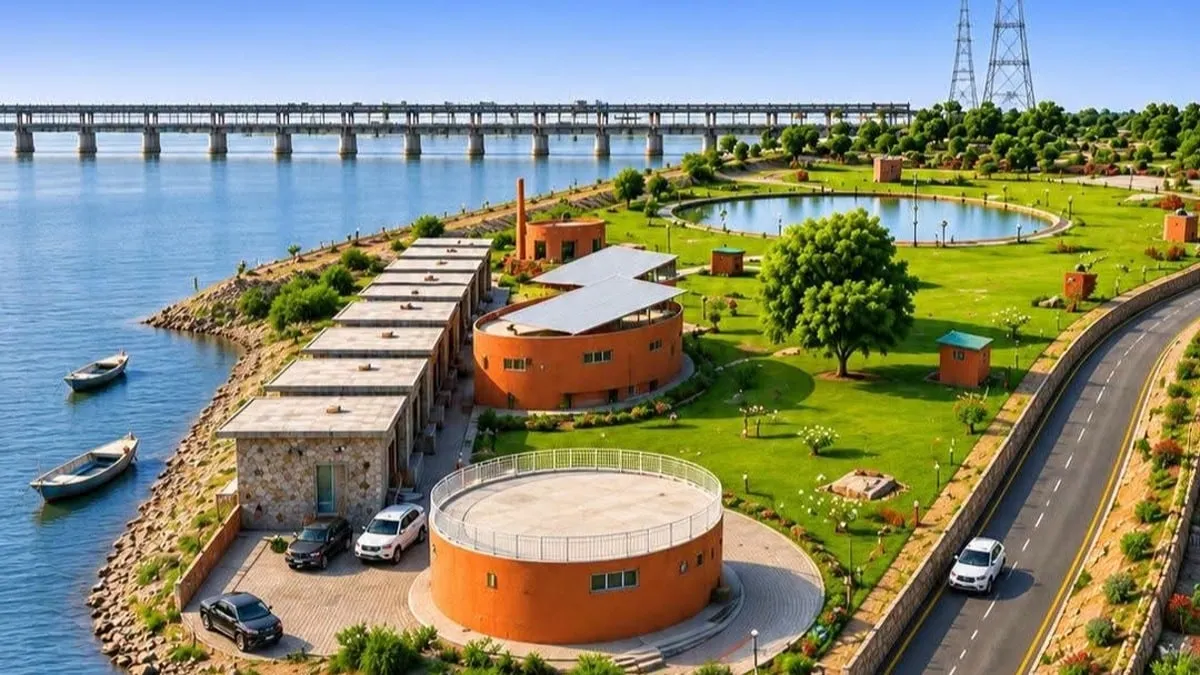
Punjab Launches 120-Kanal Blind Dolphin Resort at Taunsa Barrage
Punjab Chief Minister Maryam Nawaz Sharif has announced the launch of a new tourism facility at Taunsa Barrage in Kot Addu, allowing visitors to observe the rare Indus blind dolphins in their natural habitat. This development aims to merge local recreation with wildlife preservation along the banks of the River Indus, offering a specialized destination for nature enthusiasts and travelers interested in Pakistan's unique aquatic ecosystems.
In a post on X, the chief minister shared the resort's launch and described the experience of enjoying morning tea while watching the dolphins leap through the waters of the River Indus. The announcement highlights a push toward using natural landscapes for public engagement while maintaining environmental safeguards for threatened animal species living in the river system.
Details of the Tourism Development Corporation of Punjab Project
She said the Tourism Development Corporation of Punjab (TDCP) Blind Dolphin Resort spans 120 kanals along the riverbank. This land allocation provides ample space for visitors to move around the facility without disturbing the surrounding wildlife or crowding the natural riverbanks where the aquatic mammals surface.
Imagine sipping your morning tea while watching the rare blind Indus dolphin leap through the river waves!
Under our vision for #MagnificentPunjab, we are thrilled to open the TDCP Dolphin Resort at Taunsa Barrage, Kot Addu!
Spanning 120 kanals along the legendary River Indus,… pic.twitter.com/8rSowfSUmJ— Maryam Nawaz Sharif (@MaryamNSharif) November 5, 2026
According to Maryam Nawaz, the resort offers an eco-friendly recreational destination developed in line with international tourism standards. Its facilities include hospitality services, scenic terrace views and dining options, while also supporting wildlife conservation. The design focuses on minimizing ecological disruption while maximizing viewing opportunities for tourists.
Understanding the Habitat at Taunsa Barrage
Taunsa Barrage is located in Kot Addu and serves as a vital irrigation structure on the River Indus. Beyond its primary agricultural function, the barrage area forms a protected zone that shelters a significant population of the Indus river dolphin, scientifically known as Platanista gangetica minor. This freshwater mammal is legally protected in Pakistan and relies heavily on the steady water flows and deep pools created around river barrages.
The establishment of the new resort brings renewed attention to this specific stretch of the River Indus. Conservationists have long monitored the area because it represents one of the remaining strongholds for the blind dolphin species. Human activity around the barrage must be carefully managed to prevent negative impacts on the fragile river ecosystem, making regulated eco-tourism a preferred strategy for public awareness.
Role of the Tourism Development Corporation of Punjab
The Tourism Development Corporation of Punjab operates as a provincial body tasked with promoting regional attractions and building infrastructure for travelers. Projects like the Blind Dolphin Resort fall under its mandate to expand public access to scenic and ecological sites across the province. By building structured hospitality venues, the agency attempts to draw organized tourist traffic rather than uncontrolled visitors.
Provincial tourism initiatives often focus on locations that combine natural beauty with historical or ecological importance. The project at Kot Addu integrates modern amenities such as dining and lodging with environmental observation points. This approach allows the provincial administration to generate economic activity while simultaneously funding or supporting conservation efforts on the ground.
Conservation and Economic Impact for Kot Addu
The chief minister said the resort would give visitors an opportunity to explore Pakistan's natural heritage and observe one of the country's rare aquatic species in its natural environment. Educational components of such resorts often help build public support for wildlife protection laws and habitat preservation campaigns run by provincial and federal departments.
Local businesses in Kot Addu stand to benefit from increased visitor traffic brought by the resort. Regional employment opportunities in hospitality, transport, and guide services generally expand when major public infrastructure projects open in previously quiet rural or semi-urban areas. Observers will watch how visitor numbers grow and whether environmental standards remain strictly enforced as tourism ramps up around the barrage.