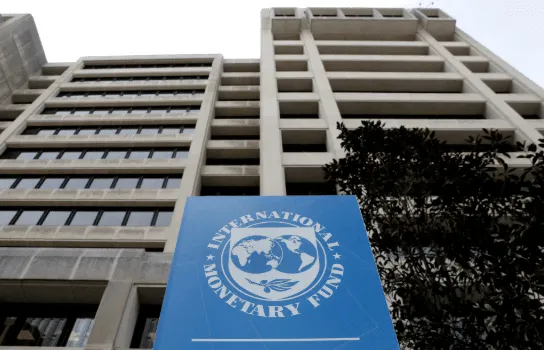
IMF Warns Pakistan Facing External Financial Pressure
The International Monetary Fund has issued a warning that Pakistan faces the prospect of medium-term pressure on its external financial position. This anticipated strain stems from rising import levels combined with a deceleration in the growth of workers remittances coming into the country. International financial authorities emphasize that maintaining external stability requires careful monitoring of these shifting economic indicators.
Dr. Mahir Binici, the IMF Resident Representative, delivered the warning while speaking at the Pakistan Prosperity Forum. He stated that Pakistan needs to continue strengthening its financial buffers and economic resources to protect itself against potential external shocks. The ongoing evaluation highlights the delicate balance the nation must maintain as it navigates current global and domestic financial conditions.
Progress Toward Stability and the Need for Sustained Reforms
During his address at the forum, Binici acknowledged that the country had made measurable progress towards economic stability in recent months. However, he stressed that sustained and gradual reforms were necessary to turn that short-term progress into long-term economic growth. Policymakers face the ongoing task of implementing structural changes without stalling domestic economic activity.
When questioned about the future of financial arrangements, Binici did not give a clear answer on whether Pakistan could avoid another IMF programme for five years after the completion of its ongoing $7 billion arrangement. The current multi-billion dollar package is designed to stabilize macroeconomic indicators, but long-term viability depends on adherence to structural adjustment targets.
Structural Economic Challenges and Low Productivity
Binici identified low investment in human and physical capital as two of Pakistan's major structural economic problems. Weak investment has limited productivity across multiple sectors, creating a persistent cycle of stagnation. Insufficient capital allocation, low workforce output, and poor export performance continue to reinforce one another, making broad-based industrial growth difficult to achieve.
The structure of the domestic labor market further compounds these difficulties. A large portion of the workforce remains employed in the relatively low-productivity agriculture sector. Meanwhile, Pakistan's exports have fallen to around 10 percent of gross domestic product, restricting the inflow of foreign exchange earnings needed to support broader industrial expansion.
Current Account Deficits and External Sector Vulnerabilities
The IMF representative also explained that Pakistan's current account position reflected deep structural weaknesses in the economy. A primary driver of these vulnerabilities is the persistent gap between national savings and domestic investment. Without sufficient domestic capital generation, the economy remains heavily reliant on external financing to cover trade shortfalls.
To address these imbalances, Binici called for comprehensive reforms in taxation, trade policy, and the external sector. He added that Pakistan needed a broader, more stable, and predictable tax system to strengthen its financial position and expand revenue collection. A reliable tax framework is considered essential for reducing fiscal deficits and funding critical public infrastructure.
External Risks and the Importance of Policy Discipline
Binici further warned that Pakistan's economic safety buffers remained limited. He cautioned that any weakening of policy discipline could quickly reverse the hard-fought gains achieved through recent stabilization measures. Maintaining strict fiscal and monetary control is viewed as mandatory for preventing a resurgence of inflation and currency depreciation.
Beyond domestic policy execution, the representative identified several external dangers that could derail economic recovery. Escalating international conflicts, higher global commodity prices, and disruptions to global trade routes stand out as major risks for Pakistan. These external factors remain outside the control of domestic policymakers but heavily influence the country's import bills and balance of payments.





