Why London Ambulance Service Declared a Critical Incident
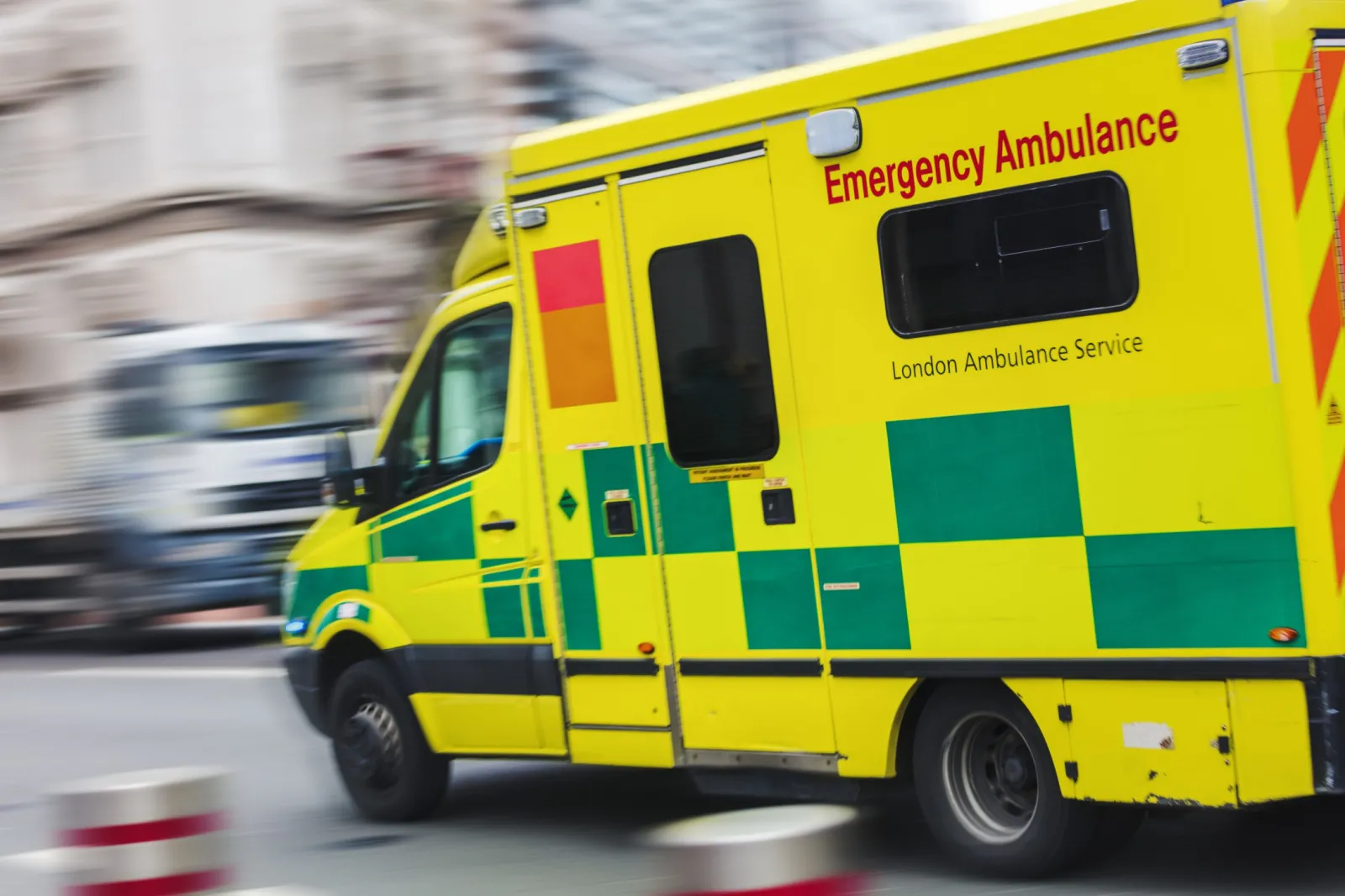
The London Ambulance Service has officially declared a critical incident as it confronts an extraordinary surge in patient numbers. Officials reported receiving more than 7,300 calls a day for three consecutive days. This daily call volume exceeds the activity typically recorded on most New Year's Eves, which traditionally rank among the busiest periods of the calendar year for emergency services. Over the preceding three days alone, the organization handled approximately 500 more 999 calls every single day compared to the previous week.
Declaring a critical incident is an internal mechanism that enables an organization to take extraordinary steps. It helps leadership focus resources, prioritize the sickest individuals, and coordinate closely with external partners to restore normal operations. The move underscores the severity of the operational pressures facing emergency responders in the capital.
Rising Rates of Life-Threatening Emergencies and Sicker Patients
The current crisis is defined not just by the sheer volume of calls, but by the clinical acuity of the patients seeking help. Life-threatening emergencies involving breathing problems increased by almost 20 per cent this November compared with the same period last year. Simultaneously, cases of life or death emergencies including cardiac arrest rose by 10 per cent.
Stuart Crichton, director of emergency operating services at the London Ambulance Service, explained the situation to the BBC. He noted that new cold and flu variants are actively contributing to the high demand. While increased winter pressures are common, he emphasized that the current environment features sicker patients waiting for ambulances. The combination of circulating respiratory viruses is disproportionately affecting Londoners and generating severe clinical needs.
Official Response and Operational Measures Taken
Leadership within the emergency service has enacted several internal strategies to cope with the mounting pressure. Craig Harman, Chief Operating Officer at the London Ambulance Service, detailed the response. He stated that the organization is increasing the number of clinicians caring for patients over the phone. Furthermore, teams are working closely with hospitals to speed up handovers, which helps get crews back out to patients more quickly and provides appropriate care over the phone when an ambulance is not needed.
These emergency measures build upon months of preparatory work undertaken ahead of the winter season. The organization previously integrated trusted artificial intelligence tools to support the recording of patient notes and deployed extra ambulances onto the roads during peak demand windows. Despite these proactive steps, the relentless influx of calls necessitated the escalation to a critical incident status.
Understanding Winter Pressures on the National Health Service
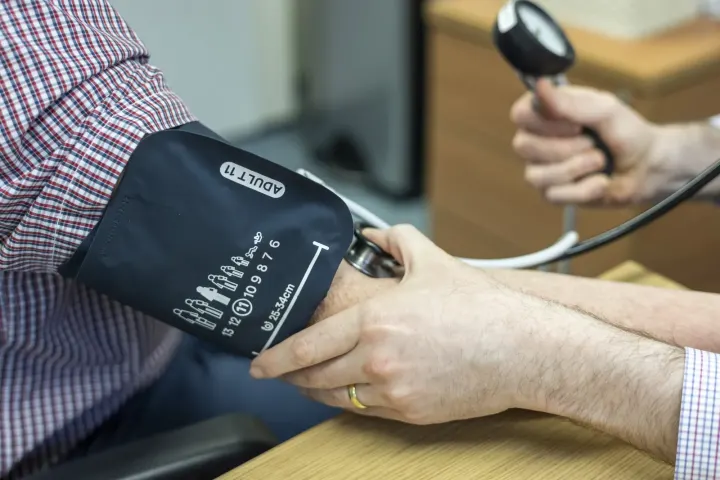
Emergency medical services across England traditionally experience heightened demand during the colder months. Colder weather has a serious impact on public health, particularly for older people, young children, and those with existing health conditions. Seasonal drops in temperature trigger vasoconstriction and raise blood pressure, which can exacerbate cardiovascular issues. Meanwhile, enclosed indoor spaces during winter facilitate the rapid transmission of respiratory pathogens.
The strain on ambulance trusts does not exist in isolation. Bottlenecks within emergency departments frequently delay the transfer of care from paramedics to hospital staff. Recent research indicates that more than half of all National Health Service trusts in England have breached guidelines this year by treating vulnerable patients in hospital corridors, with at least ten trusts confirming that children were among those affected.
How the Public Can Help Ease Emergency Department Strain
Health authorities are appealing to the public to use healthcare resources judiciously to protect the system from collapsing under the weight of winter infections. Officials urge people to only call 999 for a serious or life-threatening emergency. For less urgent health concerns, residents can contact NHS 111, consult a general practitioner, or visit a local pharmacy for professional guidance.
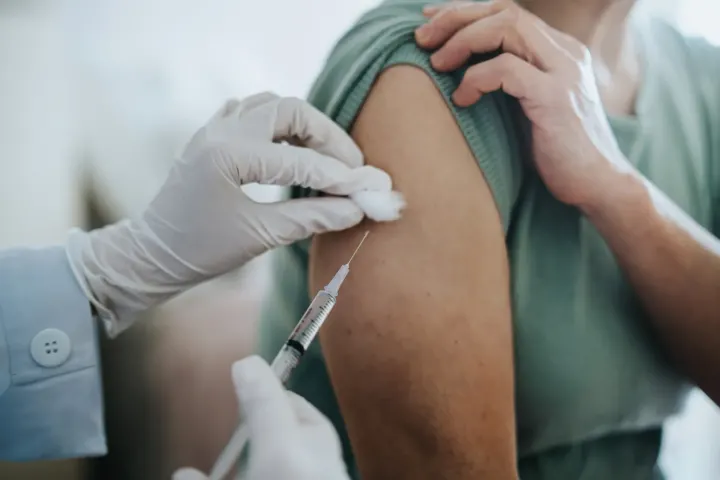
Citizens are also encouraged to look after themselves and those around them, particularly vulnerable neighbors and relatives susceptible to cold weather. Additionally, medical experts call on anyone eligible to get their flu vaccine, highlighting immunization as one of the best ways to protect vulnerable people throughout the winter months and reduce hospital admissions.