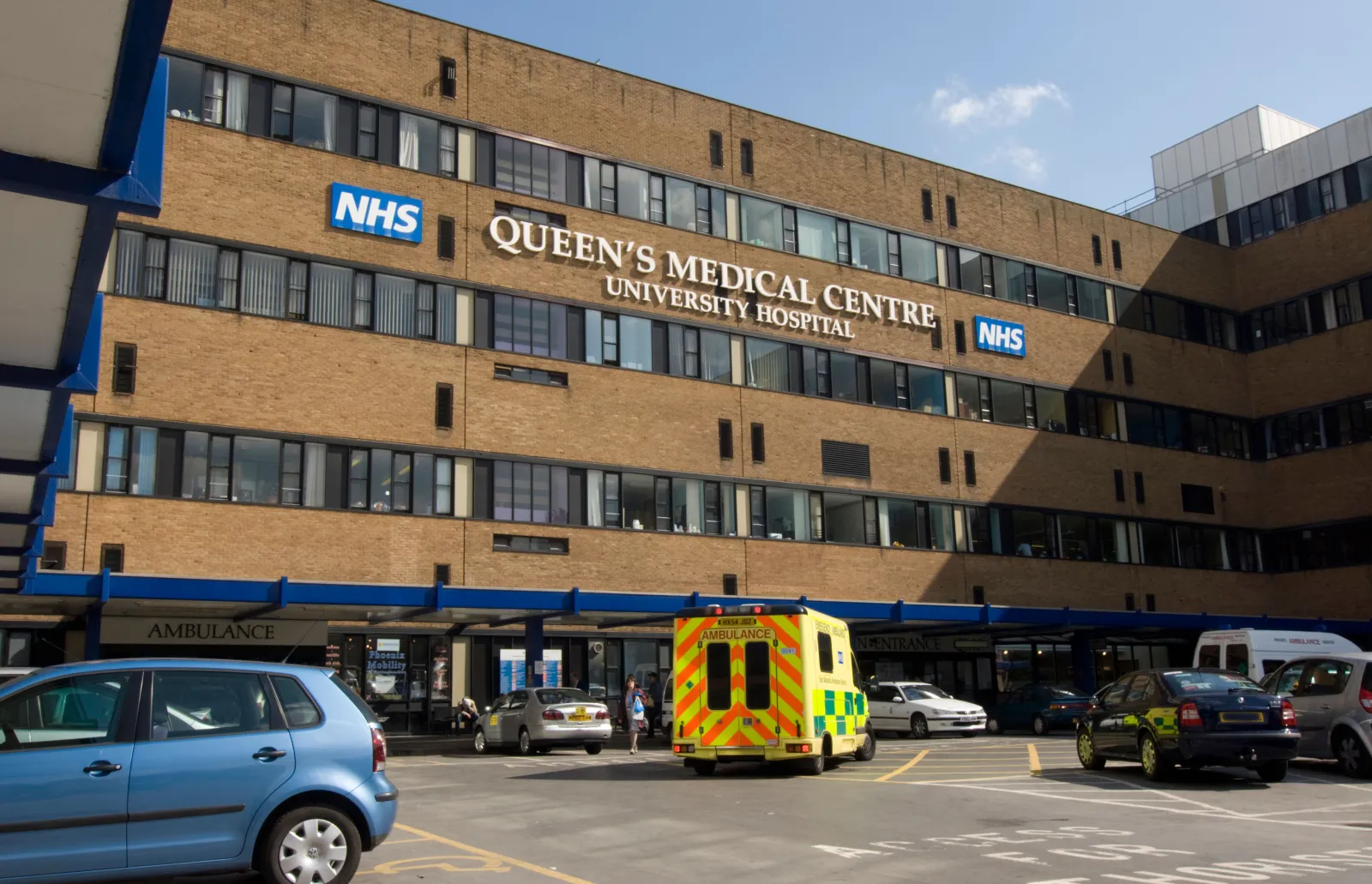
An independent review has been ordered by Nottingham University Hospitals Trust following findings that numerous fracture patients might be dying avoidably at the troubled NHS organisation. Data indicates the trust handles over 850 patients annually, ranking it among the largest providers of hip fracture care across the UK. Management at the two major hospitals run by the trust initiated the external inquiry to examine fatality rates among individuals with hip and leg fractures.
Findings from an investigation by The Sunday Times show that Nottingham records a hip fracture mortality rate nearly 50 per cent higher than the typical average for English hospitals. Elderly individuals face severe risks from hip fractures. Official guidelines mandate that patients enter the operating theatre within 36 hours of arriving, given that waiting times heighten fatality risks. However, the media investigation revealed that the organisation missed this time limit for half of its hip fracture patients.
Failure rates reached 55 per cent in May and 53 per cent in June. Adjusted 30-day mortality figures for Nottingham hip fractures climbed over multiple years, hitting 7.62 per cent by the opening quarter of 2026, according to the findings. This contrasts with a national average of 4.9 per cent. A separate study conducted in August by Nottingham surgeons evaluated 5,414 patients managed by the trust between 2016 and 2023. They discovered that 1,490 individuals experienced surgical delays exceeding 36 hours.
After researchers controlled for variables that might distort outcomes, they determined that this delayed cohort faced a 20 per cent higher likelihood of dying within twelve months. Publishing in The Bone & Joint Journal, the authors stated, "Delayed surgery beyond 36 hours, due to lack of surgical capacity, is independently associated with increased mortality following hip fracture. These findings reinforce the need for protected surgical capacity and prioritization of prompt surgery to improve outcomes in this vulnerable population."
Dr Manjeet Shehmar, medical director at Nottingham University Hospitals NHS Trust, addressed the findings by stating to The Sunday Times, "Patient safety is our highest priority, and having received the recent mortality alert, we promptly commissioned an independent external review to identify any further action needed to improve care for patients. In the meantime, we have taken action to address the issues identified, investing in additional theatre capacity, increased staffing and strengthened training to ensure surgical waiting times for patients with fractured neck of femur are now falling, but we recognise there is more to do."
This development arrives while Nottingham University Hospitals Trust faces multiple controversies recently. September brought disclosures that the trust initiated a separate review examining potential care failures impacting 130 children, amid fears that numerous youths awaiting spinal operations experienced harm. Furthermore, the organisation remains central to the largest maternity investigation in NHS history. A major report issued in June revealed that over 500 mothers and infants suffered harm or death due to systemic failures spanning at least ten years of substandard care.
The 400-page document concluded that 156 unborn babies and newborns, along with six mothers, could have survived if the hospital provided appropriate care. At least 350 additional individuals sustained injuries or disabilities. Separately, hospital employees faced dismissal earlier in the year after viewing confidential medical files belonging to victims of the Nottingham attacks. The trust initiated an internal investigation after medical and administrative personnel faced allegations of viewing emergency department records created hours after the killings.