New Immigration Rules Introduced by the Ministry of Home Affairs
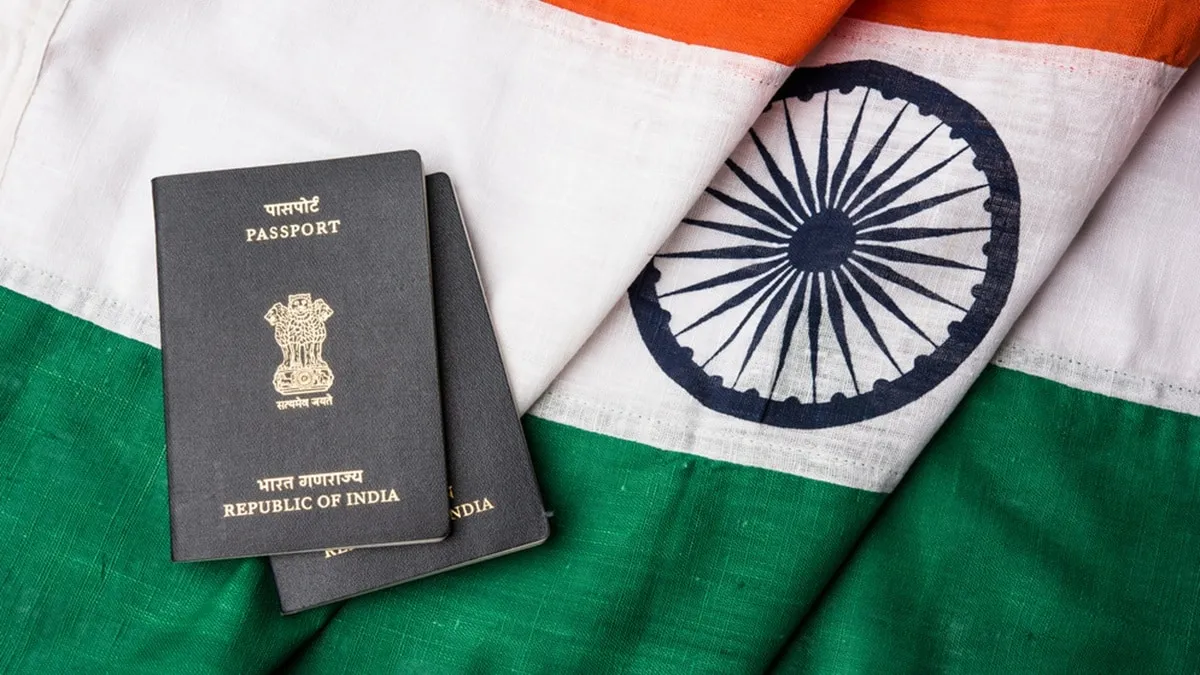
India has relaxed passport and visa requirements for certain foreign nationals, including Pakistani citizens, under new immigration rules introduced by the country's Ministry of Home Affairs. The changes were announced through the Immigration and Foreigners (Exemption) (Amendment) Order, 2026, published in the official Gazette. These updates modify the legal framework governing foreign citizens residing within the country, altering how specific long-term residents interact with identity document mandates.
Immigration regulations form a core part of national security and border management for any sovereign state. The Ministry of Home Affairs oversees these policies, determining who may enter, reside, or obtain legal exemptions from standard documentation. Over decades, various groups have arrived in India under complex historical and geopolitical circumstances, leading to layered administrative classifications. The latest order addresses several of these long-standing categories by introducing targeted exemptions.
Understanding these regulatory shifts requires looking at how India manages foreign nationals from neighboring states. While standard international travel relies heavily on valid passports and appropriate visas, exceptions have historically been made for humanitarian or diaspora populations. The 2026 order represents a structured administrative approach to regularizing or easing the documentation burdens of specific foreign individuals who have integrated into Indian society over many years.
Exemptions for Pakistani Nationals Who Entered India Before 2010
Under the revised rules, Pakistani nationals who entered India on or before December 31, 2009, with the intention of settling permanently may be exempt from passport renewal requirements. However, the exemption applies only to those unable to renew their Pakistani passports because they do not possess a Computerized National Identity Card (CNIC). Without a CNIC issued by the government in Islamabad, obtaining a renewed passport through diplomatic missions becomes practically impossible for these individuals, leaving them in a legal limbo that the new order seeks to address.
To qualify for this specific relief, applicants must meet stringent criteria set by the ministry. Eligible applicants must have family members who are Indian citizens, must not have married or acquired property in Pakistan, and must have no adverse police or security reports. They must also undertake not to return to Pakistan. These conditions ensure that the relief targets individuals who have severed administrative ties with their country of origin and established deep familial roots within India.
The requirement to prove the absence of property and marriage in Pakistan acts as a safeguard to confirm permanent settlement intentions. Furthermore, security checks conducted by local police departments remain mandatory to verify that applicants pose no threat to public order. By tying the exemption to the lack of a CNIC, the regulation directly solves a documentation hurdle for people who have lived in India for over a decade and a half without valid home-country papers.
Relief for Minorities Facing Persecution from Neighboring Countries
The exemptions also cover Hindus, Sikhs, Buddhists, Jains, Parsis, and Christians from Pakistan, Bangladesh, and Afghanistan who entered India on or before December 31, 2024, due to religious persecution or fear of persecution. These individuals may qualify even if they entered without valid travel documents or their passports have expired. However, they must obtain the appropriate visas to continue residing in India. This provision acknowledges the specific vulnerabilities faced by minority religious communities in neighboring Islamic and regional states.
Religious persecution has driven migration flows across South Asia for decades, resulting in populations residing in India without standard paperwork. By setting the cutoff date to December 31, 2024, the government accommodates those who crossed the border amid ongoing or historical turmoil. Although the lack of original travel papers is condoned for these groups under the new order, securing the correct visa status remains a mandatory step for lawful continued residence.
Administrative processes for these applicants involve verifying claims of persecution and confirming identity through alternative means when passports are absent. Local civil society organizations and legal aid groups often assist these communities in navigating bureaucratic requirements. The new order provides a clearer legal pathway for them to regularize their stay without facing immediate expulsion due to expired or missing foreign documentation.
Changes Affecting Sri Lankan Tamils, Tibetans, and Persons of Indian Origin
The revised rules also extend relief to certain Sri Lankan Tamil refugees, Tibetan nationals, and people of Indian origin who acquired Malaysian or Singaporean citizenship. Each of these groups has a distinct history of migration and settlement in India. Sri Lankan Tamils have experienced decades of displacement due to the civil conflict in Sri Lanka, with many residing in designated camps or urban centers across southern states. Tibetan nationals have lived in India since the late 1950s following the flight of the Dalai Lama, maintaining distinct administrative registration through specialized identity certificates.
Persons of Indian origin who took up citizenship in Malaysia or Singapore represent another distinct demographic. These individuals often maintain cultural, familial, and economic ties to India, occasionally seeking extended stays or long-term residence. The inclusion of these diverse groups under the 2026 amendment highlights a comprehensive review of non-standard residency statuses by the Ministry of Home Affairs. Each category falls under specific administrative guidelines that balance humanitarian considerations with national security protocols.
None of these exemptions automatically grant permanent residency, and foreign nationals must continue to meet applicable visa requirements. The temporary or conditional nature of these reliefs means that beneficiaries must maintain compliance with ongoing reporting duties and visa renewals as stipulated by the Foreigners Act and related legislation. Local foreigner regional registration offices oversee these compliance measures across different districts.
Simplified Travel Requirements for India, Nepal, and Bhutan
Meanwhile, India has simplified travel requirements for citizens of India, Nepal, and Bhutan, allowing eligible travelers to use approved identification documents instead of passports when traveling directly between these countries. This measure reflects the close open-border arrangements and historical friendship treaties binding New Delhi, Kathmandu, and Thimphu. Citizens of these nations frequently cross borders for employment, education, and family visits without the stringent controls applicable to other international borders.
However, passport and visa requirements will continue to apply in certain cases involving travel through third countries, including Pakistan and China. If a citizen of Nepal or Bhutan travels to India via a third nation, standard international checkpoint rules take effect. Similarly, direct land or air transit between the partner nations dictates the applicability of the simplified identification rules, ensuring that border security remains robust against unauthorized entry from external territories.
Border management between India, Nepal, and Bhutan relies heavily on designated checkpoints staffed by security forces such as the Sashastra Seema Bal along the open boundaries. The use of approved identity cards expedites movement for regular cross-border commuters while maintaining bilateral security standards. Travelers must ensure their identification papers meet the precise criteria published by immigration authorities to avoid delays at transit points.