Punjab Property Sales Blocked Until Garbage Tax Dues Are Paid
Property transactions across the Pakistani province of Punjab face strict new hurdles as the Punjab Excise Department implements a mandatory clearance rule for local levies. According to officials, the department will refuse to issue No Objection Certificates for the sale or purchase of any property until the owner has paid the garbage tax in full.
This policy applies uniformly across the entire province, including the major urban hub of Lahore. Property owners who carry unpaid municipal dues will find themselves completely unable to transfer property ownership until they clear the outstanding financial amount with the local authorities.
How the Garbage Tax Collection Operates in Punjab
According to media reports, the condition applies across the province, including Lahore. Owners with unpaid dues will be unable to transfer property until they clear the amount. Municipal and tax administrators designed this system to ensure high compliance rates for urban sanitation funding.
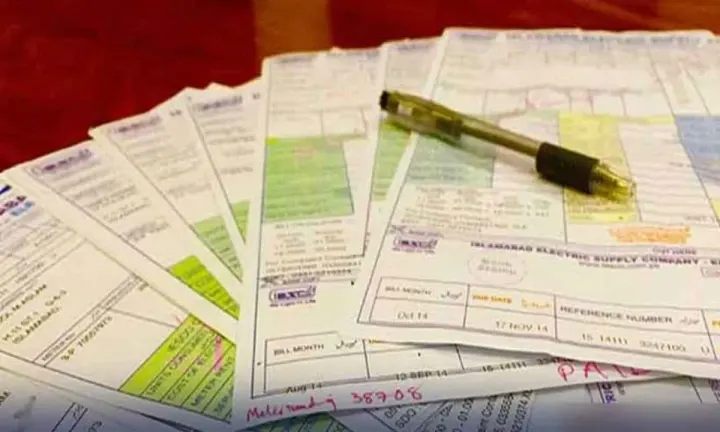
As per Excise officials, Rs24 million has beeen collected in garbage tax over the past two months. So far, 1.4 million bills have been distributed across Punjab. Bills for the first quarter will be delivered shortly, while those for the second quarter will be issued from January 1.
Bill Distribution Schedule and Online Access for Citizens
Distribution of bills began on September 1. Citizens can also download their bills online by entering their property number on the Excise Department's website. This digital option allows property holders to check their status without visiting government offices.
The staggered rollout of payment notices ensures that residents receive documentation according to specific municipal timelines. Officials plan to issue second quarter bills starting from the beginning of January, keeping the collection cycle running smoothly throughout the fiscal year.
Exemptions for Private Housing Societies and Towns
The tax will not be collected from private housing societies and towns. Their managements charge a separate cleaning fee and arrange waste collection themselves. Officials said about 20 percent of the 5 million registered units fall within such societies or towns.
This exemption prevents double taxation for residents who already pay private maintenance fees for sanitation services within gated communities. Public sector areas and properties outside these private jurisdictions remain fully subject to the provincial garbage tax requirements.
Impact on the Real Estate Sector and Property Owners
The linkage between tax compliance and property transfers introduces a powerful enforcement mechanism for local government revenue. Buyers and sellers must now verify tax clearance certificates alongside standard title documents before completing real estate transactions.
Property market participants need to account for these additional administrative steps during negotiations. Delays in obtaining the required documentation from the Excise Department can postpone closing dates for real estate deals across the province.
Background and Future Steps for Sanitation Taxation
Municipal authorities introduced this structured sanitation fee to improve urban waste management and fund cleaning operations across Punjab. Previous collection methods often struggled with low voluntary compliance, prompting the state to tie fee payment directly to essential property services like ownership transfers.
Citizens should watch for upcoming bill deliveries and check the official web portal regularly to avoid unexpected complications during property sales. Authorities continue to monitor revenue collection figures and refine the digital billing infrastructure as the program expands.