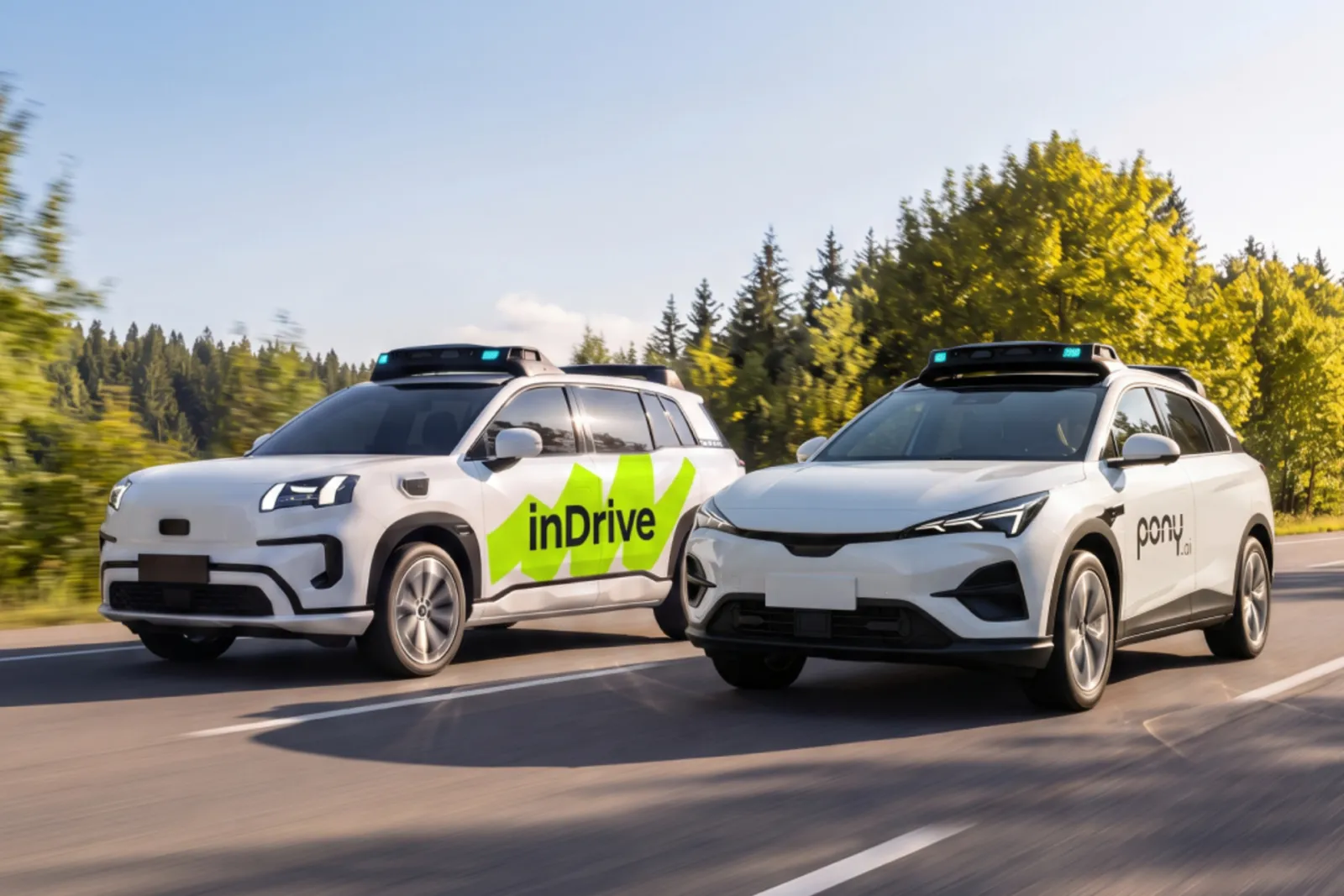
Ride-hailing firm inDrive, which lets passengers and drivers set fares, announced a partnership with Chinese autonomous-driving company Pony.ai and chipmaker Nvidia to start robotaxi testing in Kazakhstan in 2027.
On Friday the three parties disclosed a memorandum of understanding to examine adding Pony.ai's robotaxis to inDrive's platform, highlighting rising interest in self-driving tech outside the United States and China.
inDrive CTO Yuri Misnik told TechCrunch that trials will kick off in Astana, the capital, during the first half of 2027. Initial runs will include a safety operator, with the long-term aim of offering fully driverless rides.
Under the draft plan, Pony.ai would supply its Gen-7 robotaxis, which inDrive would list on its app for use in Kazakhstan. Nvidia would provide the artificial-intelligence stack, including its Hyperion platform and Halos safety system.
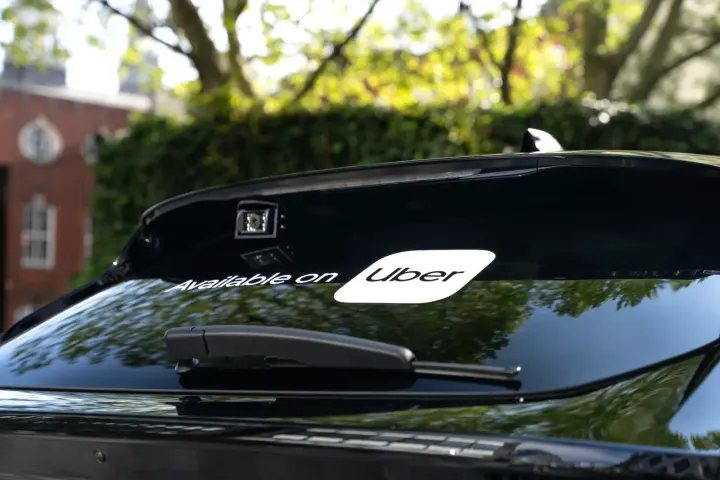
The move follows a broader push by ride-hailing firms into autonomous services. Earlier this month Uber said it would test Pony.ai's robotaxis in London and has begun supervised autonomous rides with British startup Wayve. Uber is also collaborating with several robotaxi providers in the Middle East.
inDrive, which focuses on low-cost rides, said it wants to bring the same price-sensitive approach to autonomous ride-hailing as it enters a market where Uber and other rivals are already active.
"Our approach is capital-light by design," Misnik said. "We work with a range of partners in different markets, combining their expertise with ours to deliver a better customer experience."
Nvidia claims its Hyperion platform can cut robotaxi development costs by offering a ready-made sensor and computing foundation, avoiding the need for companies to build everything from scratch. The firm also provides its Alpamayo model and tools for generating synthetic data to test autonomous systems across varied scenarios.
"Those savings are particularly relevant in emerging markets, where ride-hailing is already relatively affordable and autonomous services need to compete on cost," Nvidia automotive vice-president Ali Kani told TechCrunch.
The announcement coincided with Nvidia CEO Jensen Huang's first visit to Kazakhstan on Friday.
Pony.ai's plan includes operating more than 3,500 robotaxis in over 20 cities worldwide by the end of 2026, up from 1,975 vehicles at the end of June.
Last month Kazakhstan revealed intentions to launch autonomous taxi services in 2027, with pilot programs slated for Astana and two other cities, and introduced rules for testing autonomous vehicles on certain public roads.
Astana's severe winters, featuring months of snow and ice, could serve as a rigorous testing environment for autonomous driving. The city's roughly 1.7 million residents face challenging conditions that test vehicle sensors and software.
"Launching here will provide an important opportunity to evaluate autonomous driving technology in challenging winter conditions," inDrive founder and CEO Arsen Tomsky said. "Success in Astana could offer valuable insights for expanding autonomous mobility to other locations facing similar challenges."
inDrive is also looking at other markets. In December it signed a separate deal with Saudi Arabia's AI Driver to explore deploying autonomous vehicles powered by Chinese firm WeRide in Riyadh, targeting a pilot in the first half of 2026, though it is unclear if testing has begun.
"We are also looking at a number of other markets for future deployments," Misnik added. "One of the main requisites for successful launch in our view is a favorable and collaborative regulatory environment to facilitate safe and sustainable testing on the roads."
inDrive now operates in more than 1,200 cities across 47 countries and has expanded into delivery, intercity transport and financial services.