During a third quarter earnings call, Spotify announced it reached 788 million monthly active users and brought in nearly €5 billion, which equals about $5.6 billion USD, in revenue. Beyond the financial results, company executives discussed how the growth of artificial intelligence agents might benefit the audio platform.
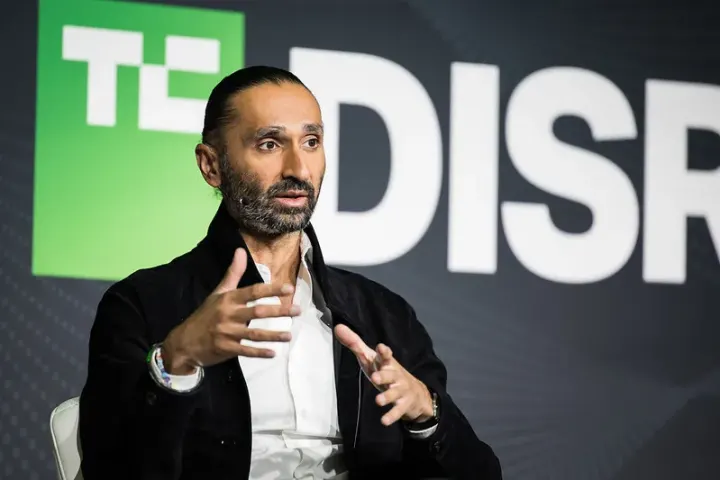
Co-CEO Gustav Söderström believes the streaming platform sits in a strong position for this technological change. He told investors that while agents take over tedious chores people dislike, entertainment works differently because nobody asks an assistant to summarize a song.
Spotify is in one of the few categories that actually stands to thrive in the agentic age. This is because agents excel at replacing and taking care of things people would rather not do. People love getting rid of chores. But entertainment is the opposite. Nobody asks an agent to 'summarize a song' for them.
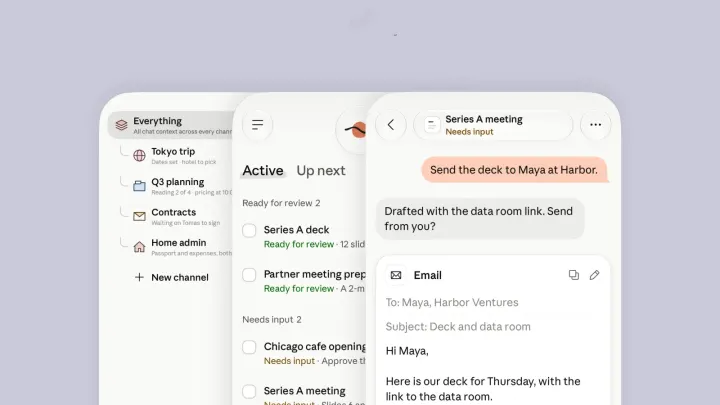
Rather than manually opening the app, conducting artist searches, and creating playlists, users could direct an AI assistant to handle those tasks. Listeners might request workout music, a related podcast, or an audiobook summary that continues from their previous spot.
The company intends to serve as the provider these assistants use, allowing audience members to find audio and engage with the platform through dialogue instead of strictly using the native application. The audio company already connects with Meta's Muse assistant, alongside ChatGPT and Claude.
Our goal is to be the media service that you use from any agent, really turning the growth of agents into a tailwind rather than a headwind. That is exactly what we are seeing now. We are seeing really good adoption of Spotify inside these agents. While other companies are maybe trying to figure out what to do and many are leaning out, we are actually leaning in and participating in the growth instead of standing by the roadside and looking at it.
Some market friction already exists regarding how external assistants reach third-party platforms. Amazon blocked Meta's Muse from retail transactions on its site, demonstrating how large corporations might limit outside bots over concerns involving security, privacy, and commercial oversight.
The platform argues that artificial intelligence should simplify entertainment discovery while simultaneously deepening personalization.
Söderström defines the current platform as an intelligent media service packaged as an agent, accessible either through its standalone software or through external assistants. He stated that users can talk to the service, ask inquiries, and give commands.
For example, you can ask Spotify to go through your listening history song by song back to 2008, picking your true favorites, beat-stretching them by speeding them up or down, and then sorting them by key and BPM. Then you can ask it to mix them together into the perfect running playlist at your exact cadence.
The audio streaming firm possesses years of playback data covering preferred artists, skipped tracks, and discovered music. This background allows for recommendations that surpass generic automated playlists created by external assistants lacking deep user context.
At the same time, Söderström stressed that the company does not share listener data with external partners. Instead, partner agents submit requests to the platform, and the company relies on its own internal systems to process the request and select the playback content.