iPhone 18 and Air 2 OLED Display Production Schedule
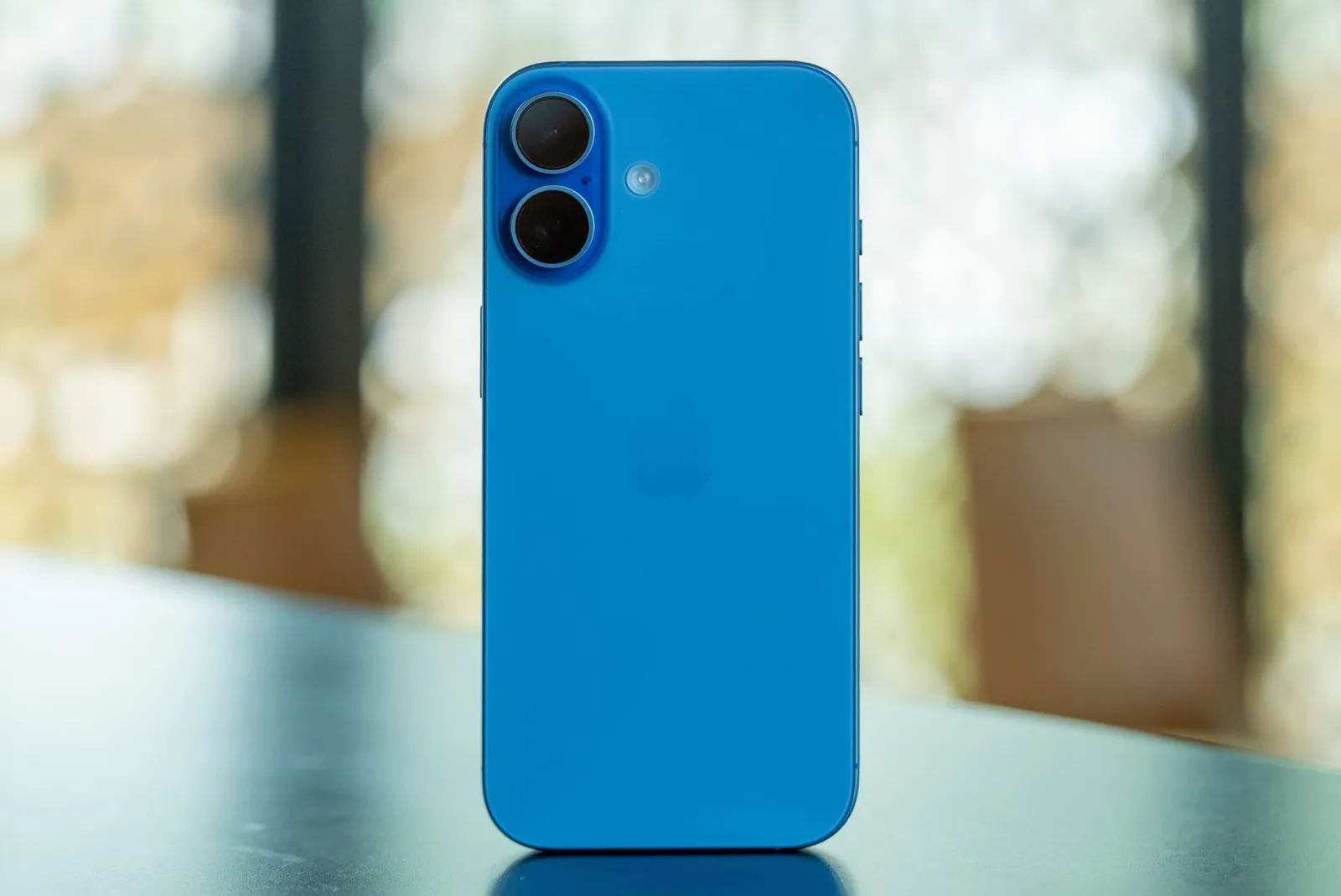
Apple is expected to launch the standard iPhone 18 and iPhone Air 2 next spring. A new report from South Korea has now revealed when their OLED displays could enter mass production. According to industry sources, LG Display will begin mass-producing OLED panels for the new iPhones late this year. Meanwhile, Samsung Display is expected to start production in January.
Display manufacturers are currently focusing on Apple's higher-end models. These include the iPhone 18 Pro, Pro Max, and iPhone Duo. Production of these models will remain the priority through the end of the year.
One industry source said the standard iPhone 18 and Air 2 displays require lower production volumes. They are also less complex to manufacture than the higher-end models.
Anticipated March Release and Supply Chain Adjustments
Both Samsung and LG are reportedly adjusting their production schedules for an expected March launch. This also supports a recent Weibo leak claiming Apple will launch the iPhone 18 in March. The iPhone 18e could reportedly arrive alongside it.
Samsung Display and LG Display will both supply OLED panels for the standard iPhone 18. However, Samsung is expected to be the sole display supplier for the iPhone Air 2.
The limited supply arrangement reportedly reflects weak demand for the original iPhone Air. The device received a lukewarm response from the market, leading Apple to reduce its expected display orders.
Display Specifications and Inventory Strategy
Apple has also reportedly kept the iPhone Air 2's display specifications unchanged. This would allow the company to use more of its existing panel inventory. As a result, new display orders for the model are expected to remain limited.
The report also notes that standard and Air models usually account for more than 30% of total iPhone sales. However, the standard model consistently outsells the Air. Strong demand for the iPhone 17 also helped boost sales of Apple's previous lineup. This explains why both Samsung and LG are interested in securing display orders for the upcoming iPhone 18 series.
As the consumer electronics sector watches developments closely, the manufacturing priorities underline how component makers balance high-end complexity with high-volume standard units. Factories must carefully coordinate cleanroom environments and chemical etching lines to meet rigid tolerances set by device makers. Any disruption in component supply chains can shift retail availability dates across global markets.
Understanding OLED Panel Manufacturing for Mobile Devices
Organic Light Emitting Diode technology has become the industry standard for premium smartphones due to its deep black levels and energy efficiency. Producing these screens involves depositing organic compounds onto a substrate inside high-vacuum chambers. Specialized machinery applies precise subpixel arrays that emit light independently when charged with electricity.
Yield rates remain a primary financial metric for suppliers like Samsung and LG. If a manufacturing batch yields too many defective screens, production costs rise sharply. Suppliers therefore allocate substantial resources toward quality control before shipping finished panels to assembly plants.
Consumer demand patterns dictate how factory floors divide their shifts between different device tiers. While flagship handsets incorporate cutting-edge materials and higher refresh rates, standard models rely on mature manufacturing techniques to keep consumer pricing competitive. This balance ensures steady component flow throughout the assembly cycle.
Market Trends for Standard and Air Smartphone Models
Market analysts monitor production volumes closely to gauge consumer interest in upcoming product categories. Devices positioned between budget entries and ultra-premium flagships often test price sensitivity among everyday buyers. Historical sales figures indicate that standard variants maintain consistent buyer loyalty year after year.
Manufacturing partners evaluate historical sales data before committing capital to factory tooling upgrades. Securing contracts for high-volume standard devices guarantees consistent revenue streams even if luxury model sales fluctuate. Supplier competition remains fierce as display technology continues to evolve toward thinner profiles and lower power consumption.