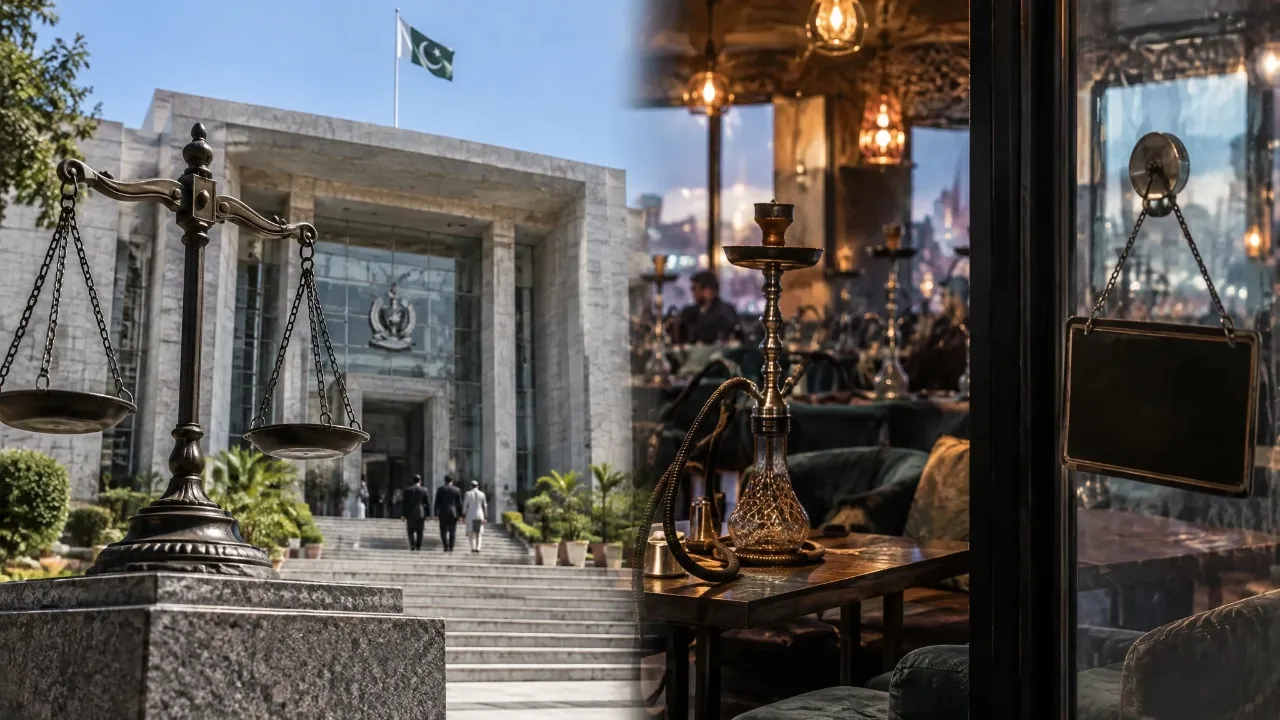
Islamabad High Court Hears Appeal on Shisha Cafe Closures
The Islamabad High Court has issued notices to the federal government, the Ministry of National Health Services, and other respondents, seeking their replies in an intra-court appeal challenging the judicial order to shut down shisha cafes in the capital. This legal proceeding marks a fresh chapter in the ongoing dispute between local business operators and regulatory authorities regarding the operation of smoking lounges within the federal capital territory.
A division bench comprising Justice Inaam Ameen Minhas and Justice Ayaz Shaukat issued a written order while hearing the appeal filed by owners of shisha cafes, including Smoky Terrace. The court appearance brings the administrative dispute back into the judicial spotlight as business owners push back against municipal and federal enforcement measures.
Legal Grounds Raised by Cafe Owners
According to the written order, the appellants have raised objections that the impugned decision overlooks their business interests and constitutional right to fair treatment. Restaurant and lounge owners argue that blanket closure directives fail to account for their legal investments, commercial licenses, and the livelihoods dependent on the hospitality sector.
The core of the legal challenge centers on whether administrative and judicial directives to shutter these establishments respect due process and existing commercial protections. Business representatives maintain that authorities implemented the closure orders without providing adequate remedies or fair hearings for individual proprietors.
Respondents Involved in the Islamabad High Court Case
The division bench directed multiple state functionaries to submit formal responses to the legal challenge. The respondents named in the proceedings include key administrative bodies responsible for public health and capital administration.
- The federal government
- The Ministry of National Health Services
- Additional municipal and regulatory respondents
These entities must now formulate their legal defenses and justify the necessity of the shutdown orders before the high court bench. The involvement of the Ministry of National Health Services highlights the public health dimensions intersecting with commercial regulations in this dispute.
Public Health Regulations and Hospitality Businesses
The broader context of this litigation involves longstanding tensions between public health mandates and commercial enterprise in urban centers. Federal and provincial authorities frequently introduce restrictions on tobacco consumption, public smoking, and specialized lounges to curb health risks associated with flavored tobacco.
Operators of shisha cafes often contend that their establishments function similarly to traditional restaurants and tea houses, contributing significantly to urban commercial activity. However, health advocates and government regulators point to specific bylaws and anti-tobacco legislation designed to restrict indoor smoking and communal waterpipe usage in public venues.
Economic Impact on Capital Entrepreneurs
The closure of shisha cafes carries direct financial consequences for business owners, investors, and workers employed in the hospitality and entertainment sector. Establishments like Smoky Terrace represent substantial capital investments in interior fit-outs, supply chains, and staff wages within Islamabad.
When authorities mandate sudden shutdowns, business owners face immediate revenue losses alongside ongoing fixed costs such as commercial rent and utility commitments. This economic pressure forms the basis of the constitutional arguments presented to the division bench regarding fair treatment and protection of lawful enterprise.
Next Steps in the Judicial Proceedings
Following the issuance of notices by Justice Inaam Ameen Minhas and Justice Ayaz Shaukat, the case moves into the reply phase. The federal government and the Ministry of National Health Services are required to submit their written statements addressing the grievances raised by the cafe owners.
Once the respondents file their replies, the division bench will schedule further hearings to review the arguments from both sides. Observers and stakeholders in the capital's commercial sector will monitor the upcoming court dates to see how the judiciary balances public health enforcement with commercial rights.





