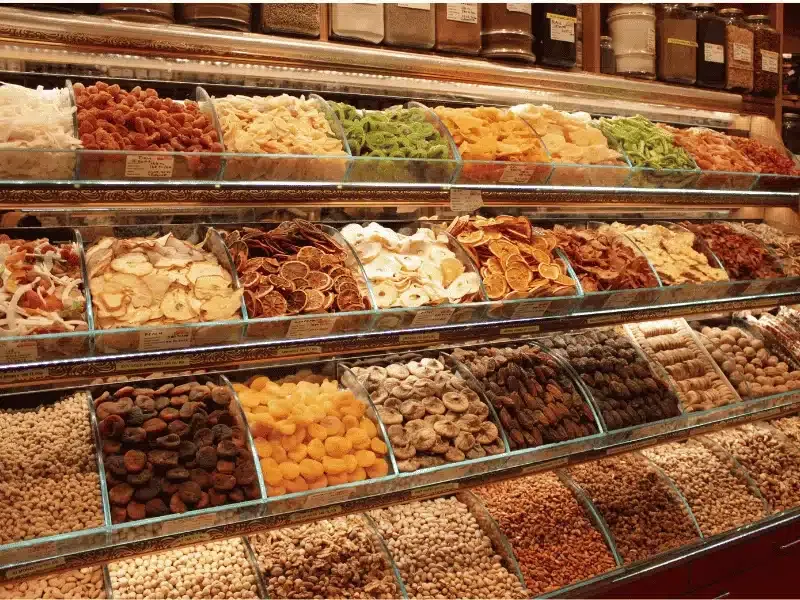
Islamabad Leads Pakistan in Everyday Dry Fruit Consumption
Islamabad stands out among Pakistani households for purchases of everyday dry fruits, with more than one-third of households in the federal capital buying products such as peanuts, dried dates, coconut and sesame. This distinct dietary pattern separates the capital from the rest of the nation, reflecting unique regional preferences and purchasing habits.
According to Gallup Pakistan Digital Analytics' household consumption analysis based on the Household Integrated Economic Survey (HIES) 2024-25, 38 percent of Islamabad households purchased products in this category during a typical two-week period. The figure is significantly higher than the national purchase rate of 12 percent, highlighting a massive local appetite for these accessible snacks.
Understanding this consumption requires a closer look at the data provided by official surveys and analytics firms. The Household Integrated Economic Survey serves as a vital statistical tool in Pakistan, capturing detailed metrics on income, consumption, and expenditure across different provinces and urban centers. The capital city consistently registers distinct economic indicators compared to provincial capitals and rural districts, driven by demographic factors such as average income levels, professional composition, and lifestyle patterns.
Economic Scale of Everyday Dry Fruits in Pakistan
Everyday dry fruits form a Rs. 42 billion annual household spending category across Pakistan, making them a more widely purchased option than expensive varieties such as almonds, walnuts, pistachios and cashews. This substantial market size demonstrates that budget-friendly snacks play a major role in the domestic retail economy.
Nationally, around 4.6 million households purchase these products during a typical two-week period, spending approximately Rs. 350 on average. This frequency indicates steady, recurring consumer demand rather than purely seasonal or festive purchasing behavior. Retailers across the country stock these items continuously to meet consistent household needs.
The financial scale of this sector underscores the resilience of domestic retail markets in consumer goods. While high-end imported nuts face pricing pressures from inflation and currency fluctuations, everyday varieties remain accessible to a broader demographic base. Merchants and local kirana stores rely on these steady sales volumes to maintain daily cash flow.
Everyday Varieties Versus Premium Nuts
The figures also show that everyday dry fruits have a wider reach across income groups than premium nuts, which are purchased by a smaller share of Pakistani households. Premium varieties like pistachios and cashews often function as luxury goods or gift items reserved for special occasions, weddings, and winter holidays.
In contrast, items like peanuts and sesame seeds serve as regular household provisions, street snacks, or ingredients in traditional cooking and baking. This functional versatility explains why everyday dry fruits penetrate a much larger percentage of homes nationwide. Lower price points allow middle-income and lower-income families to incorporate these nutrient-dense foods into their regular diets.
Nutritional awareness also drives interest in these accessible food products. Peanuts and sesame seeds provide essential plant-based proteins, healthy fats, and micronutrients at a fraction of the cost of imported tree nuts. Health-conscious consumers in urban centers actively seek out these budget-friendly sources of daily energy.
Demographic and Regional Factors in Islamabad
The high purchase rate in Islamabad stems from a combination of urban demographics, climate, and consumer purchasing power. The federal capital experiences distinct winter seasons where dry fruit consumption traditionally increases as a warming snack. Furthermore, the city houses a high concentration of salaried professionals, government employees, and educated families who maintain structured household budgets.
Market availability and retail infrastructure in Islamabad also support higher consumption rates. Modern grocery stores, well-stocked neighborhood markets, and specialized dry fruit vendors ensure that residents have easy access to quality products. This retail density encourages frequent, smaller-basket shopping trips compared to rural areas where markets may be distant.
Comparing Islamabad to other major urban centers reveals how geographic and socio-economic variables shape retail trends. While metropolitan cities like Lahore and Karachi also record strong consumption figures, the concentration of purchasing power in Islamabad creates a uniquely high per-capita demand for everyday snack categories.
Impact on Local Retailers and Consumers
The robust demand for everyday dry fruits directly benefits local merchants, wholesalers, and agricultural producers supplying the domestic market. Wholesalers operating in major grain and dry fruit markets across the country distribute thousands of tons of peanuts, coconut, and dates to retail networks every month. This supply chain generates employment and business activity across multiple tiers of the economy.
For consumers, maintaining access to affordable nutritional items helps buffer against broader food inflation. When premium food items become financially out of reach, households pivot toward accessible alternatives that offer similar dietary benefits. The Rs. 350 average two-week spend reflects a manageable household expense that fits within standard grocery allocations.
Retailers must manage inventory carefully to align with these consumer spending patterns, especially ahead of peak seasonal demand periods. Ensuring consistent supply chains for locally sourced and imported everyday dry fruits prevents price volatility and maintains consumer purchasing frequency across all provinces.
What to Watch for in Future Household Surveys
Future iterations of the Household Integrated Economic Survey will provide updated benchmarks on how inflation and shifting purchasing power affect household consumption patterns. Analysts will monitor whether the gap in dry fruit purchases between Islamabad and the national average widens or narrows in subsequent years.
Market researchers also track potential shifts in consumer preferences toward packaged and branded dry fruit products versus traditional open-air bazaar purchases. As urban retail modernizes, packaging and quality certification become increasingly important factors for urban shoppers in cities like Islamabad.
Observers of Pakistan's retail sector will continue evaluating these datasets to understand broader consumer behavior trends. Keeping track of spending categories like the Rs. 42 billion everyday dry fruit market offers clear insights into the financial priorities and daily living standards of households nationwide.