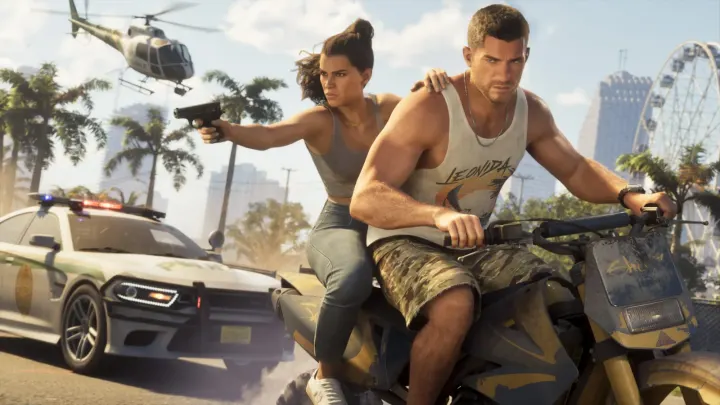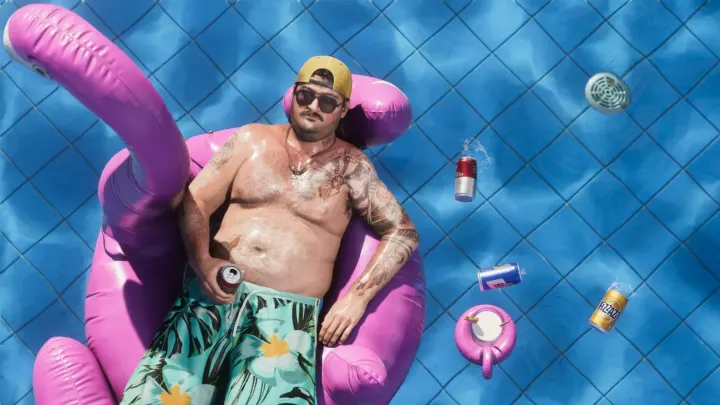
The highly anticipated Grand Theft Auto (GTA) 6 launches in just three days on November 19, and it has already generated a staggering $1 billion in preorder sales. The commercial surge stems from Rockstar's obsessive attention to detail, including a research program that interviewed real gangsters, cartel smugglers and conducted police ride-alongs to make the game's world as authentic as possible.
Why Rockstar Turned to Real-World Crime Figures
Rockstar has a long history of building immersive open-world games that mirror real cities and subcultures. Since the launch of GTA III in 2001, the series has been praised for its cinematic storytelling and its uncanny ability to capture the pulse of urban life. To keep that reputation, the company created a dedicated research team led by former hip-hop magazine writer Gregory Johnson, who spent 16 years at publications such as Vibe and Source. Johnson's background gave him insight into the music, fashion and street dynamics that shape the environments Rockstar seeks to recreate.
According to Johnson, the team's mission was to experience the same "dread" and "energy" that real residents feel in neighborhoods that inspire the game's fictional districts. The result is a series of field-work missions that range from late-night police ride-alongs in East Los Angeles to helicopter flights over Florida's barrier islands.
Late-Night Police Ride-Alongs in East Los Angeles
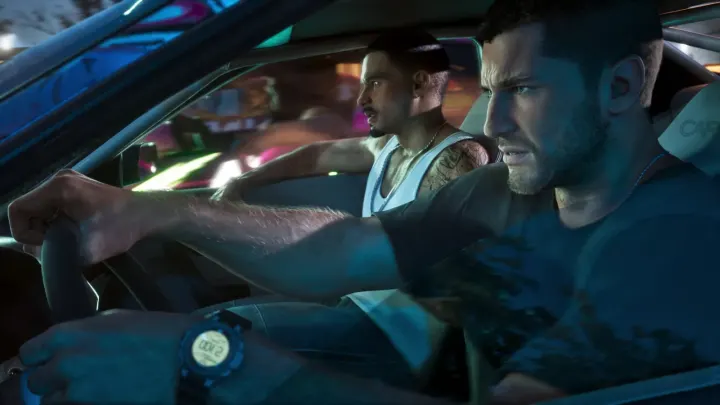
To capture the gritty reality of GTA 5's Los Santos, Johnson joined active police patrols in East Los Angeles gang territories. During one patrol, organized Mexican gang members activated a rooftop alarm system using sequential whistles. Masked cyclists then escorted the police cruiser through narrow alleys, creating a tense atmosphere that developers later translated into in-game AI behavior and ambient sound design.
Rockstar co-founder Dan Houser built the professional research team specifically to deliver authentic cultural reporting. By embedding with law-enforcement, the team observed how real gangs communicate, how they react to police presence, and how the urban soundscape shifts after a confrontation. Those observations informed the timing of police sirens, the placement of graffiti, and the way NPCs react when a player draws a weapon.
Interviewing Real Smugglers and Cartel Figures for GTA 6
Beyond ride-alongs, the research team secured interviews with major organized-crime figures. Johnson sat down with a former cartel smuggler who personally knew Pablo Escobar during the Cocaine Cowboys era. The smuggler explained how Colombian cartels used low-profile submarines to transport narcotics into the United States, a detail that directly inspired the Cayo Perico heist in GTA Online.
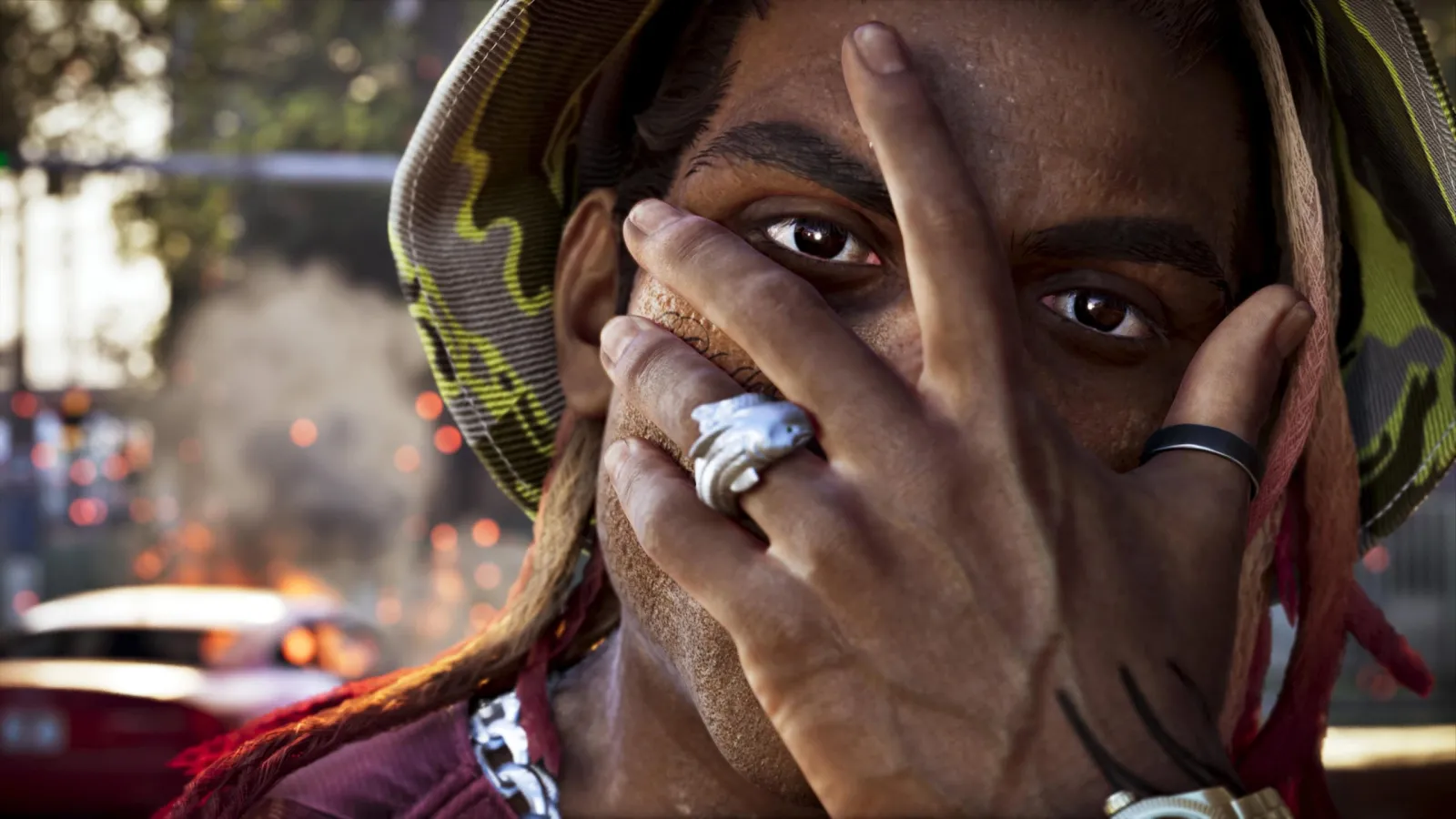
Rockstar also invited authentic Salvadorian gang members, identified by facilitators DJ Poo, Estevan Oriol and Mister Cartoon, into a recording studio. These individuals, many bearing facial tattoos, corrected script lines to ensure street slang and lingo were accurate. Their input shaped dialogue for pedestrian NPCs, vehicle names, and mission briefings, giving the game a linguistic texture that mirrors real-world gang communication.
Helicopter Surveys, Prison Visits and Underground Racing
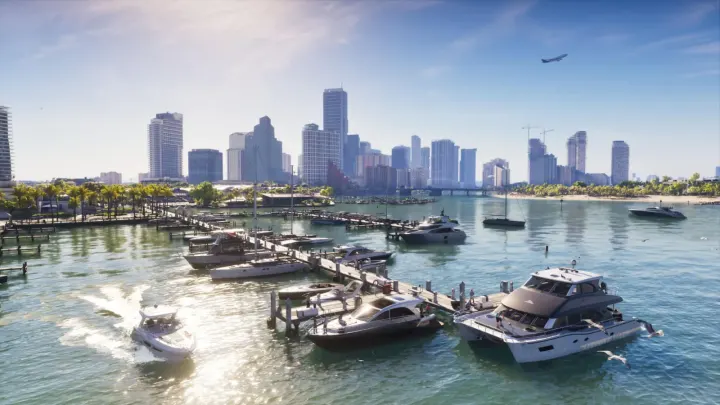
Johnson's contributions extended to the visual design of GTA 6. The team chartered helicopters from Miami to Key West, flying low over barrier islands to capture high-resolution imagery with long-range lenses. These aerial surveys helped artists render realistic coastlines, mangrove swamps and the distinctive layout of southern Florida's archipelagos.
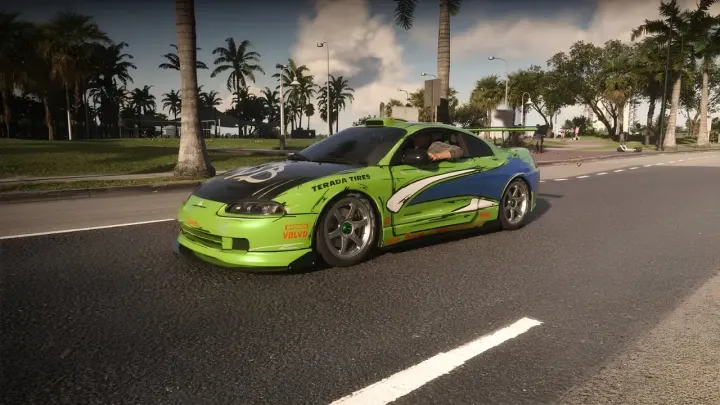
Developers also visited prisons, spoke with FBI agents and monitored underground street races. The prison visits provided insight into inmate culture, security protocols and the architecture of correctional facilities, all of which appear in GTA 6's new penitentiary environments. Interviews with FBI agents clarified how federal operations intersect with local gangs, influencing mission narratives that involve federal busts and covert surveillance.
The Studio Built for Pedestrian Dialogue
Rockstar's commitment to boots-on-the-ground journalism led the company to construct an entire studio dedicated to writing and recording dialogue for pedestrian NPCs. This studio houses sound engineers, linguists and cultural consultants who work with the interviewees to capture authentic speech patterns. The result is a richer, more believable city where background characters react with realistic banter rather than generic chatter.
According to internal sources, the studio's workflow involves a three-stage process: (1) transcription of interview recordings, (2) linguistic vetting by cultural experts, and (3) voice-over sessions with the original interviewees or professional actors trained to mimic the slang. This pipeline ensures that even a passing comment about a local taco stand feels rooted in the lived experience of the community being represented.
Impact on the GTA 6 Launch and Player Expectations
The $1 billion preorder figure reflects not only brand loyalty but also the anticipation that Rockstar's research will deliver a game world unlike any before it. Gamers expect more realistic police responses, nuanced gang hierarchies and a living environment that reacts to player actions in believable ways. Early gameplay footage released by Rockstar shows pedestrians pausing to watch a police chase, graffiti changing after a turf war, and dynamic weather that mirrors the real-world climate of the game's fictional setting.
Industry analysts note that the depth of field research may set a new standard for open-world development. By investing in real-world immersion, Rockstar demonstrates that narrative authenticity can be a commercial differentiator, especially as the next generation of consoles, PlayStation 5 and Xbox Series X/S, push technical limits for detail and interactivity.
What Comes Next for Rockstar and GTA 6
Rockstar plans to continue refining the game up to its release date on November 19. The development team will incorporate final feedback from internal playtests, which include simulated police encounters based on the ride-along data. After launch, Rockstar will monitor player feedback on authenticity, particularly regarding dialogue and AI behavior, to inform post-launch patches and future expansions.
For players, the immediate takeaway is that the game's world will feel more lived-in and less scripted. Those familiar with the real-world locations referenced, East Los Angeles, Miami, Key West, may recognize specific landmarks, slang and cultural cues that were directly sourced from the research program.
Practical Takeaways for Readers
- Rockstar's research involved police ride-alongs, interviews with former cartel smugglers, and on-site recordings with real gang members.
- The team used helicopter surveys to capture Florida's barrier islands, influencing the visual design of GTA 6's coastal regions.
- A dedicated studio now writes and records pedestrian dialogue, ensuring street slang is accurate.
- The $1 billion in preorders underscores consumer confidence that the research will translate into a more immersive experience.
- Launch is set for November 19 on PlayStation 5 and Xbox Series X/S, with post-launch patches planned to fine-tune authenticity.