Islamabad Schools and Teachers Get Major Relief Under New Directives
Prime Minister Shehbaz Sharif has banned the use of schools and colleges in Islamabad to accommodate police and security personnel during law and order situations and directed that teachers must not be assigned non-teaching duties. The directives were issued during a recent meeting on Islamabad's education sector, where the prime minister stressed that educational institutions should only be used for teaching and learning activities.
Following the meeting, the Prime Minister's Office issued written instructions to the Ministry of Education, which formally communicated the decisions to the Islamabad administration and police on Wednesday. According to the ministry's letter, buildings, classrooms and other facilities of institutions operating under the Federal Directorate of Education (FDE) cannot be used by law enforcement agencies for personnel deployment, temporary camps, detention facilities or other operational activities.
The prime minister also ordered an end to teachers' involvement in administrative activities, including election duties, census operations and household surveys. The ministry directed that all such duties already assigned to teachers must be canceled immediately. The letter was sent to the Islamabad chief commissioner, Capital Development Authority (CDA) chairman, inspector general of police, interior secretary and FDE director general.
Why Islamabad Schools Were Used for Security Personnel
The decision comes after 38 public-sector schools and colleges in Islamabad were closed for one to three weeks in September to accommodate police personnel ahead of an anticipated Pakistan Tehreek-e-Insaf (PTI) protest. According to an FDE official, police personnel began moving into these institutions on September 24, three days before the scheduled rally, disrupting the education of thousands of students. Using educational institutions as temporary housing or staging grounds during political rallies and security alerts has historically disrupted the academic calendar in the federal capital.
When security forces deploy within school grounds, classrooms, assembly halls, and sports facilities are often repurposed for sleeping quarters, supply storage, and command posts. This practice halts regular classes and creates logistical challenges for school administrators who must manage property restoration after security personnel depart. The recent intervention by the prime minister addresses long-standing complaints from parents, students, and educators who argued that public safety operations should not compromise the right to education.
Impact on Students and the Academic Calendar
The closure of 38 public-sector schools and colleges in September for up to three weeks created severe learning gaps for students preparing for examinations. Disruptions of this scale force educational institutions to compress syllabi, cancel extracurricular activities, and rush through critical academic modules to make up for lost time. Parents and academic associations frequently voice concern over the vulnerability of public education infrastructure during civil unrest and political demonstrations in the capital territory.
By protecting school infrastructure from security requisition, the federal government aims to maintain continuity in classroom instruction. Educational institutions under the Federal Directorate of Education cater to a large population of students from diverse socioeconomic backgrounds who rely entirely on public schooling. Keeping these gates open during periods of political tension ensures that children do not pay the price for security logistics.
Relief for Teachers From Non-Teaching Duties
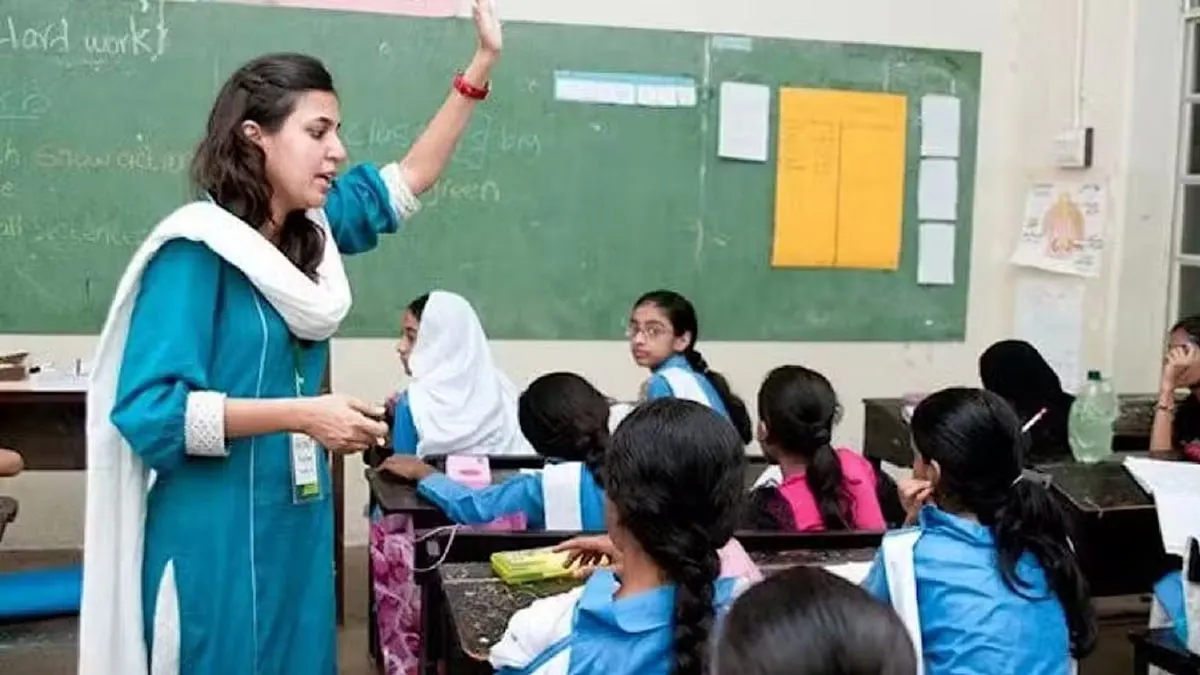
Beyond classroom closures, the directive provides substantial relief to educators by halting their participation in non-teaching assignments. Teachers in public institutions have traditionally been drafted to assist with national censuses, household surveys, and election management duties. These administrative tasks take teachers away from their primary responsibility of instruction for weeks or months at a time, straining school staff and lowering the quality of education delivered to students.
The Ministry of Education has instructed relevant authorities to cancel all non-teaching duties currently assigned to teaching staff immediately. This policy shift acknowledges that educational outcomes suffer when instructors must divide their time between pedagogy and government paperwork or field surveys. School principals and administrators will now be able to retain their full teaching staff throughout the academic year without unexpected absences caused by civic administrative demands.
Background of Federal Education Governance in Islamabad
The Federal Directorate of Education oversees public educational institutions across the Islamabad Capital Territory, managing a vast network of schools and colleges. Unlike provincial education systems, federal institutions answer directly to Islamabad administrative bodies and federal ministries, making policy changes enacted by the prime minister effective immediately across the capital's public school system. Past practice often saw local law enforcement and civil administration draw upon FDE resources during security emergencies due to the proximity and size of school campuses.
Administrative coordination between the Islamabad chief commissioner, the Capital Development Authority, and the police department determines how security is managed during high-risk political events. The new orders require these entities to find alternative accommodations for security personnel rather than turning to classrooms and student hostels. The strict enforcement of these guidelines marks a departure from routine administrative procedures during periods of high political tension in the capital.
What Comes Next for Islamabad Administration and Police
With the written instructions formally delivered to the Islamabad chief commissioner, CDA chairman, inspector general of police, interior secretary, and FDE director general, relevant agencies must alter their operational planning for future security events. Law enforcement planners will need to identify alternative sites for personnel deployment and temporary camps that do not infringe upon educational spaces. Observers will monitor how authorities house security forces during upcoming public demonstrations or high-security alerts in Islamabad.
At the same time, the Federal Directorate of Education will oversee the recall of teachers from any ongoing census, survey, or election tasks to ensure they return to their classrooms without delay. Compliance with the prime minister's directive will be tracked by the Ministry of Education to ensure no public institution is repurposed for security operations and no instructor is diverted to administrative duties moving forward.