Understanding the Punjab E-Bike Scheme for Students
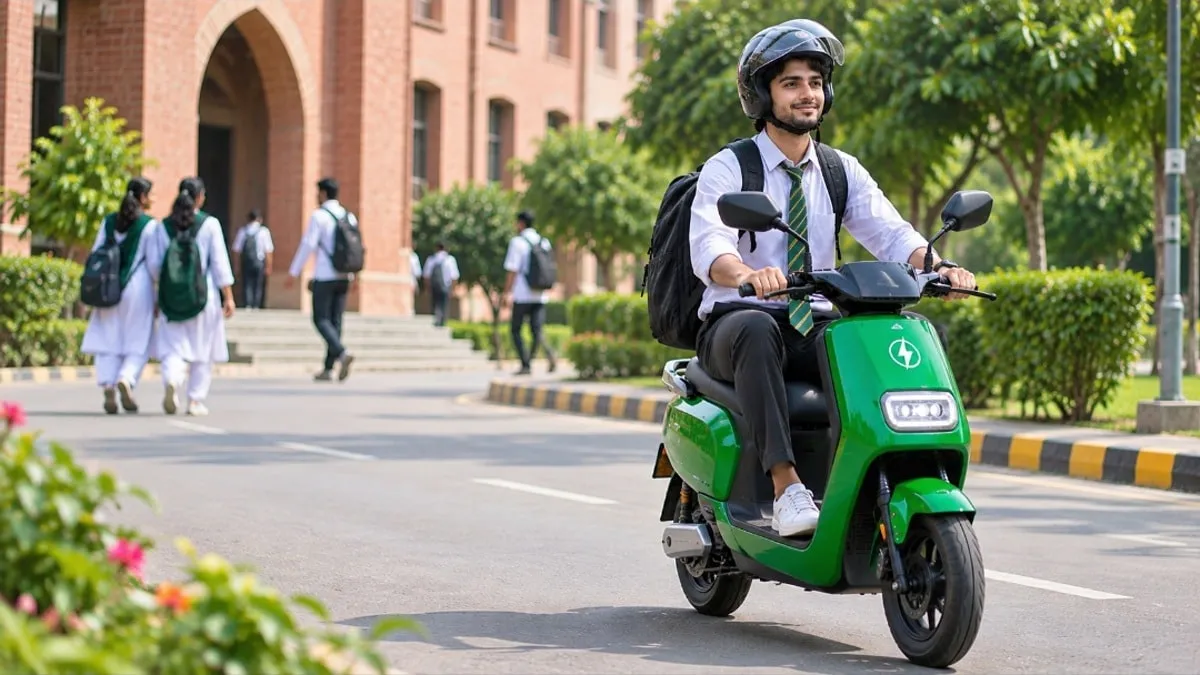
Students selected under Punjab's Chief Minister E-Bike Scheme will receive additional safety equipment and training alongside their electric bikes. This program addresses a critical transportation hurdle for young scholars who commute daily to their educational institutions. By introducing subsidized electric transport, the regional administration hopes to ease financial and logistical pressures on families.
Transportation infrastructure in major urban and rural areas often presents significant challenges for students. Public transit systems can be overcrowded, unreliable, or expensive. The introduction of personal electric bikes offers a direct solution to these commuting difficulties, ensuring that young people can reach their classes reliably and efficiently.
What Free Equipment and Gear Are Included
Under the second phase, the Punjab government will provide each successful applicant with a free helmet and safety rod. These items are essential for protecting riders on busy roads and reducing the severity of potential accidents. Providing this gear directly removes an immediate out-of-pocket expense for students who qualify for the program.
The inclusion of safety equipment highlights an administrative focus on rider protection. Motorized two-wheelers require specific precautions, and supplying helmets and structural safety additions ensures that recipients meet basic safety standards before they start riding in traffic.
Training Programs for Successful Applicants
Students will also receive two days of training on using their electric bikes. This instruction helps new riders understand vehicle dynamics, traffic rules, and defensive driving techniques. Proper orientation is vital for individuals who may have limited experience operating motorized two-wheelers on public roads.
Chief Minister Maryam Nawaz Sharif has separately directed officials to arrange free driving training for successful female applicants to help them operate their vehicles safely. This targeted instruction provides vital support for women who might face cultural or practical barriers to learning how to drive, empowering them with independent mobility.
How the Financial Subsidy and Installment Plan Work
The initiative aims to make commuting easier for students, particularly those who face difficulties traveling to colleges and universities. Affordability remains a central pillar of this public policy effort, structured to fit within typical household budgets.
The scheme also offers electric bikes through a subsidized installment plan. Students will pay Rs. 3,028 per month, while the provincial government will cover the interest and insurance costs. This financial arrangement removes high upfront purchase costs and shields buyers from complex banking interest rates.
Distribution Timeline and Schedule Details
The government has not yet released a complete schedule explaining when and where recipients will attend the training sessions. Administrative departments are expected to finalize these logistical details closer to the rollout date, ensuring applicants receive clear instructions on participation.
Distribution of the 100,000 electric bikes is scheduled to begin in December 2026. This timeline allows authorities to process applications, procure vehicles, and establish the necessary support frameworks before the physical handover takes place.