Lahore Man Receives Traffic Challans For Stolen Motorcycle
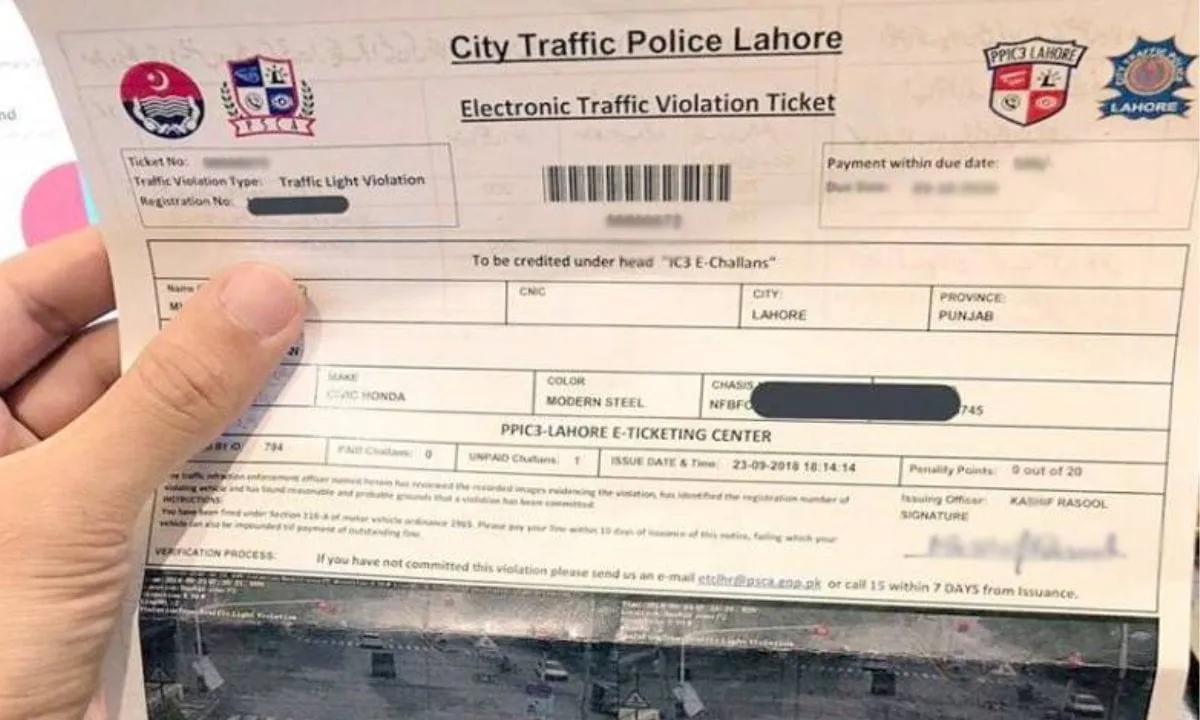
A Lahore resident continues to receive traffic challans for a motorcycle that was stolen from him in 2016 and has never been recovered. The motorcycle was stolen from Garden Town ten years ago, but the police have been unable to trace it since.
The victim, Zain, finds himself trapped in a bureaucratic cycle where automated surveillance cameras spot his old vehicle on public roads, yet law enforcement agencies fail to intercept the riders. While the thieves continue to operate the motorcycle freely across the city, Zain bears the legal and financial burden of the generated fines.
This unusual situation highlights the growing friction between automated traffic monitoring systems and legacy police record-keeping in Pakistan's second-largest city. Motorists across the region increasingly rely on clear administrative processes, making cases of ghost vehicles and unrecovered stolen property a significant concern for vehicle owners.
How the Safe City Surveillance System Operates in Lahore
The Safe City surveillance system forms the backbone of urban monitoring in Lahore, using thousands of high-definition cameras to track traffic violations and security threats. However, the technology has failed to identify the stolen vehicle during active transit while continuing to issue traffic challans against it.
Automated number plate recognition software scans vehicles passing through monitored intersections, cross-referencing license plates with provincial registration databases. If a vehicle commits a traffic violation, the system automatically generates a ticket linked to the registered owner of the motorcycle.
Because the vehicle remains registered in Zain's name due to the lack of recovery and formal transfer cancellation, every automated ticket targets him rather than the current operator. The separation between the camera network and investigative police units often leaves citizens with few immediate options to halt the automated penalties.
Police Response and Escalation to the DIG Investigation
Zain has repeatedly visited Garden Town Police Station to get the challans cleared and protect himself from further penalties. However, the local police station referred him to the Safe City Authority instead of resolving the database mismatch locally.
After receiving no response from the monitoring authority, Zain escalated the matter by submitting a formal application to the DIG Investigation. This step seeks higher-level administrative intervention to correct the official records and halt the continuous generation of fines against the missing property.
Victims of vehicle theft often face prolonged administrative hurdles when attempting to update government databases after a crime occurs. Without a recovered vehicle or a completed cancellation procedure through the excise department, automated systems continue to treat the original owner as the active operator.
Intensified Action Against Outstanding E-Challans in Lahore
Meanwhile, Lahore Traffic Police have intensified action against motorists with outstanding e-challans, warning that unpaid fines may double after 10 days and lead to court proceedings. This strict enforcement campaign targets thousands of drivers across the metropolitan area who have accumulated unpaid penalties over the months.
Under the existing Punjab Traffic Police procedure, drivers must settle their challans within 10 days of issuance. Failure to pay within the deadline can result in increased financial penalties, while cases involving confiscated documents may be forwarded to the relevant courts for judicial review.
Traffic wardens have also been deployed at courts across Lahore to assist judicial authorities in recovering unpaid fines and processing outstanding cases. According to officials, the combined number of pending e-challans and seized documents in Lahore has approached 800,000.
Impact on Citizens and Steps to Clear Fines
The vast backlog of pending penalties places pressure on both the judicial system and ordinary vehicle owners who may find themselves entangled in sudden court summons. Authorities have urged motorists to clear outstanding payments promptly and recover any confiscated documents through the proper legal process to avoid further complications.
For citizens dealing with stolen vehicles, experts recommend maintaining copies of the initial police report, known as a First Information Report, and submitting formal requests to the excise and taxation department to block registration numbers. These steps help prevent liability when automated enforcement networks capture vehicles operating outside the control of the original owner.
As the traffic police continue their crackdown, residents with genuine discrepancies must navigate multiple departments to clear their names. The ongoing enforcement drive underscores the necessity for better integration between crime investigation databases and automated transit surveillance networks in urban centers.