Announced on 20 October 2026, the partnership between JazzWorld and UNICEF aims to tackle Pakistan's massive internet usage gap. JazzWorld, which is the parent group of Jazz and JazzCash, has signed a Letter of Intent with UNICEF to review programs that broaden digital access, keep youth safe online, and prepare individuals for an AI-driven economy.
What the JazzWorld UNICEF Digital Inclusion Partnership Covers
JazzWorld signed a Letter of Intent with UNICEF to investigate programs advancing digital inclusion, empowering youth, supporting online safety, and improving technology-driven humanitarian relief across Pakistan.
Both entities will look at collaboration across four main areas: digital inclusion and youth empowerment, online safety and digital well-being, humanitarian response and disaster preparedness, and advocacy and public engagement.
This serves as a framework agreement rather than a final project list. The two groups will determine specific initiatives to fund and roll out, though the four pillars outline the main direction.
Digital Education and AI Readiness
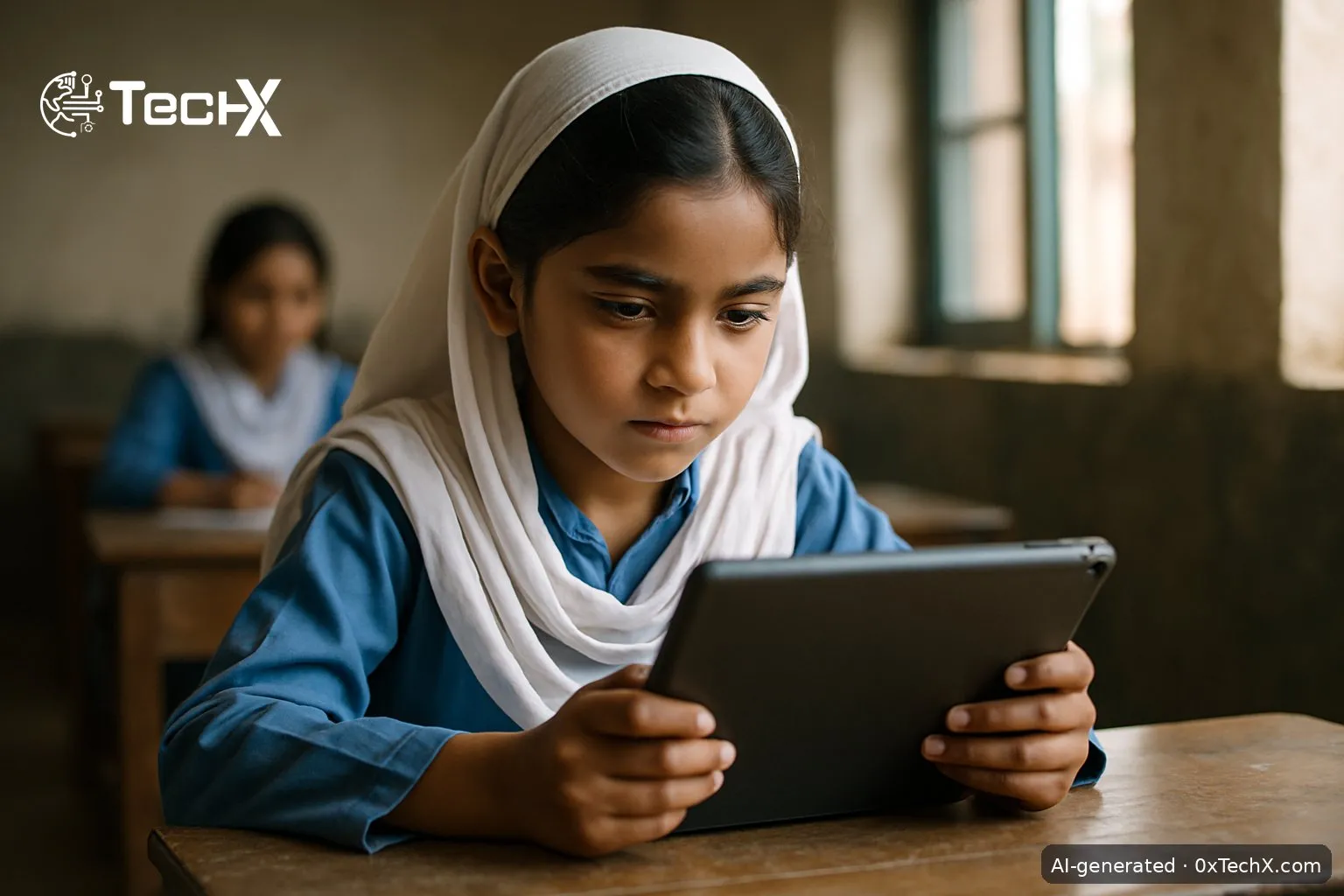
Under the digital inclusion focus, the groups will review ways to widen access to digital education, literacy, and skills training, particularly for youth in underserved areas. These abilities also form the basis for helping young people safely and responsibly use AI.
As AI alters learning and work, expanding digital access remains vital for these communities to benefit from an AI-enabled world. Simply put, a child who never learns internet usage will miss out on AI tools entering schools and workplaces.
Strengthening the Digital Youth Hub
The partnership will examine methods to support Pakistan's Digital Youth Hub, created by the Prime Minister's Youth Program and UNICEF, by using JazzWorld technical resources to aid learning and employment in the digital economy. The hub is a government-backed platform serving as a single space for students, graduates, and job-seekers to discover training across Pakistan.
Why Pakistan's Digital Divide Makes This Partnership Urgent
The problem is immense. Pakistan faces one of the largest mobile internet usage gaps globally, with roughly 140 million residents living in areas with mobile broadband coverage who do not use mobile internet, according to the GSMA State of Mobile Internet Connectivity 2026 report.
Network coverage is no longer the main obstacle. Pakistan faces challenges involving affordability, usefulness, and accessibility of internet access. Literacy, digital skills, and relevance represent key barriers to adoption.
Geographical gaps also persist. Only 50% of rural adults in Pakistan use mobile internet, compared to 65% in urban areas, based on the GSMA State of Mobile Internet Connectivity 2026 report. Furthermore, only 46% of rural adults own an internet-enabled phone, versus 62% in urban areas.
Women have seen progress, with mobile internet adoption rising from 8% in 2017 to 53% in 2025. Yet, approximately 28% of female mobile internet users rely on someone else's device, pointing to a need for affordable smartphones.
The JazzWorld and UNICEF agreement targets this exact gap by building skills, safety, and trust among residents already covered by mobile networks who remain offline.
JazzWorld's Broader Push on Digital Safety and Social Impact
The UNICEF agreement matches JazzWorld's operational pattern in 2026. The firm established multiple social-impact partnerships this year, including a collaboration with Google for Digital Pasban, an online safety initiative targeting 200,000 households through Urdu-language resources and school safety clinics.
The company also developed internal AI capabilities through the JazzWorld AI Associate Program 2026, a one-year talent initiative spanning Jazz, JazzCash, Mobilink Bank, Garaj, and Tamasha. JazzCash also recently earned global recognition with an InsurTech Silver win at Money20/20 USA.
At Mobile World Congress 2026, JazzWorld CEO Aamir Ibrahim stated, "In markets like Pakistan, the question is not how advanced AI models are. It is whether they reach the millions who remain outside the formal financial system." The UNICEF agreement is a practical step toward addressing education and skills inclusion.
Pakistan's ICT Development Index score increased from 56.4 in 2025 to 67.7 in 2026, marking a 20% year-on-year rise. However, Pakistan remains below the lower-middle-income average of 68.9, trailing Asia-Pacific and global averages. Partnerships like the one between JazzWorld and UNICEF aim to close this gap, alongside Pakistan's 5G expansion across 24 cities.
What Comes Next
A Letter of Intent serves as a starting point. Both organizations will proceed with detailed planning to select specific programs to fund, pilot locations, and measurement metrics. The four focus areas offer flexibility for varied project types.
The humanitarian angle remains important, as Pakistan experiences recurring floods and climate disasters that disrupt education and services. Technology-enabled disaster response combines telecom connectivity assets with UNICEF ground presence.
For ordinary Pakistani families, digital inclusion and online safety workstreams offer immediate benefits. Parents seek digital skills and online protection for their children. Combining access and safety distinguishes the JazzWorld and UNICEF partnership from standard connectivity drives, making safe AI engagement a foundational skill alongside reading.
Frequently Asked Questions
What did JazzWorld and UNICEF sign?
They signed a Letter of Intent on 20 October 2026. This formal agreement establishes joint programs focused on digital inclusion, online safety, youth empowerment, and humanitarian response in Pakistan.
What is the JazzWorld UNICEF digital inclusion partnership trying to fix?
Pakistan has approximately 140 million people living in areas with mobile broadband coverage who do not use the internet. The main barriers include cost, low digital skills, and a lack of relevant content rather than network towers.
What is Pakistan's Digital Youth Hub?
It is a platform established by the Prime Minister's Youth Program in partnership with UNICEF. It connects young Pakistanis, students, graduates, and job-seekers with training and employment opportunities across the country.
Is this a final project or just a plan?
It acts as a framework currently. A Letter of Intent indicates agreement on broad focus areas, while specific projects, budgets, and timelines will be determined during subsequent planning stages.