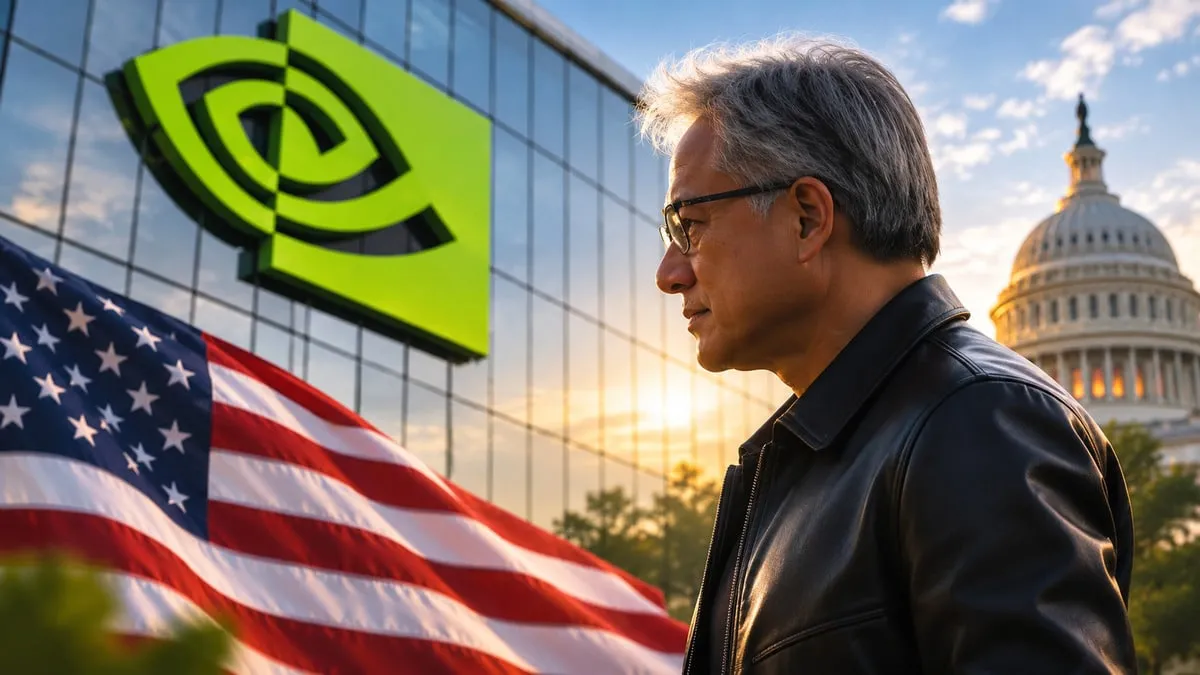
Former Nvidia chief executive Jensen Huang has connected his potential reinstatement to the economic and strategic priorities of the United States. He argues that his guidance remains necessary as the enterprise confronts mounting hurdles in global technology markets, international competition, and cross-border politics.
During his first public remarks since stepping down from his post, Huang explained that he would accept the job again if directors concluded that his presence served shareholders, workers, the business itself, and the American nation. Even so, the corporate board has firmly dismissed suggestions that he might resume his former duties.
Why Jensen Huang Wants to Lead Nvidia Again
In his recent public message, Huang drew heavily upon his personal history as an immigrant and his long association with the domestic technology sector. He noted that he landed in the United States 53 years ago and regarded his naturalization as a citizen as a supreme personal achievement. Describing the enterprise as his ultimate life project, he credited the economic environment of the country for enabling the firm to expand into a dominant worldwide semiconductor manufacturer.
The outreach extended beyond a simple bid to reclaim his office. Huang highlighted the complex environment surrounding modern silicon manufacturing, mentioning market pressures and diplomatic tensions that complicate global supply chains. He reported that numerous stakeholders, including workers, financial backers, commercial allies, and clients, reached out to him after his exit to urge a comeback.
By framing his potential return around national interests rather than personal ambition, Huang attempted to position himself as an essential figure for the stability of the corporation. His perspective relies on the premise that experienced leadership is vital during periods of intense competition and regulatory scrutiny.
The Response from Nvidia Board of Directors
Despite the appeals directed at the corporate leadership, the board has closed the door on any potential reinstatement. Chairman Harvey Jones addressed the situation during the quarterly earnings conference call on November 17, clarifying the circumstances surrounding the departure.
Jones stated that Huang departed voluntarily on November 12 following disclosures regarding personal conduct that breached internal corporate regulations and workplace standards. The board voted unanimously to accept the resignation and confirmed that members hold no intention of reversing their choice.
Before this announcement, Huang acknowledged being unfaithful to his spouse and admitted to serious errors in his private life. Within his latest public statement, he took ownership of the difficulties caused for the directors and pledged full cooperation with an ongoing independent review. He also expressed gratitude toward his family, coworkers, and external supporters who offered encouragement following his exit.
National Security and Export Control Challenges
The public debate over executive leadership unfolds as the semiconductor giant faces heightened regulatory attention regarding shipments of sophisticated processors and commercial ties involving foreign markets. The events leading to the resignation involved Alice Huang, a former manager at a firm named Megaspeed, who faces suspicion from American authorities regarding alleged connections to foreign intelligence services. Government representatives in Beijing have denied those espionage accusations.
Simultaneously, Megaspeed is the subject of a separate inquiry concerning the alleged transfer of restricted processor units into restricted territories. In response to these pressures, the enterprise established a National Security and Export Control Oversight Committee designed to supervise compliance policies and trade risks. Director Suzanne Nora Johnson was named to lead this panel, which collaborates with external legal and geopolitical specialists.
Day-to-day security and compliance operations now report directly to interim chief executive Colette Kress. These organizational changes demonstrate the gravity of the compliance challenges facing the company while Huang continues to promote his leadership as an asset to national interests.
How Nvidia is Operating Under Interim Leadership
To maintain stability, the board appointed finance chief Colette Kress as the interim chief executive while a search committee evaluates candidates for a permanent appointment. Corporate planners intend to review both internal contenders and external executives before making a final selection.
Prominent figures in the technology sector, including entrepreneur Elon Musk, alongside various internal employees, voiced support for Huang following his departure. Nevertheless, the directors remain steadfast in their refusal to reinstate him, signaling a definitive break from the past era of leadership.
The ongoing divergence between the former executive and the board highlights a broader tension between founding leadership and institutional oversight. While Huang continues to emphasize his value to the domestic technology ecosystem, the current administration focuses on governance reforms, compliance committees, and a planned transition to a new permanent chief executive.