Punjab Education Minister Announces New Exam Formats for Grades 5 and 8
Punjab Education Minister Rana Sikandar Hayat has shared details of the assessment arrangements for students in Grades 5 and 8. The recent announcement clarifies how schools across the region will handle testing for these specific grade levels moving forward. Education authorities aim to streamline the evaluation process while maintaining fairness across all participating districts.
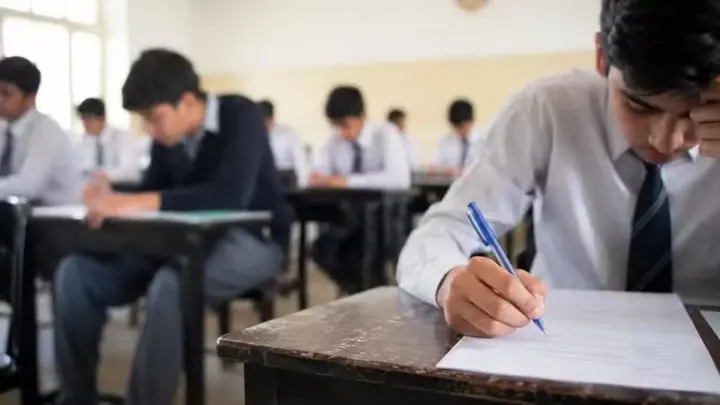
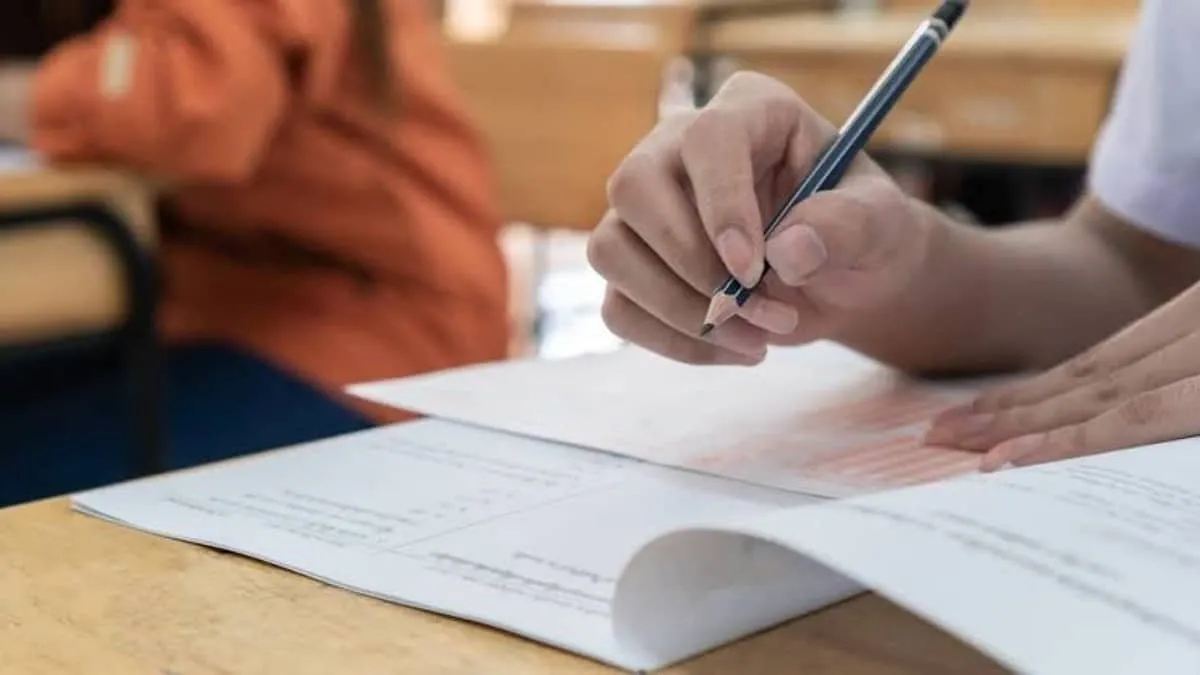
Grade 8 students will appear in examinations covering four major subjects, following the same format used last time. The examinations will be conducted on e-sheets, while online screen marking will be ensured to maintain transparency in the checking process. These technological measures intend to reduce human error and speed up the release of results for middle school students.
How the Grade 8 Four-Subject Examination Works
Students in Grade 8 must prepare for evaluations in four major academic subjects. Authorities decided to retain the established structure from the previous testing cycle to provide consistency for teachers and pupils alike. This familiarity helps schools prepare their classrooms without unexpected disruptions to the curriculum.
The use of e-sheets represents a shift away from traditional paper booklets during the testing phase. Following the completion of the tests, online screen marking will be ensured to maintain transparency in the checking process. Examiners review the digitized answers on computer monitors, which allows education boards to track scoring progress and audit evaluations more effectively.
Holistic Assessment Approach for Grade 5 Students
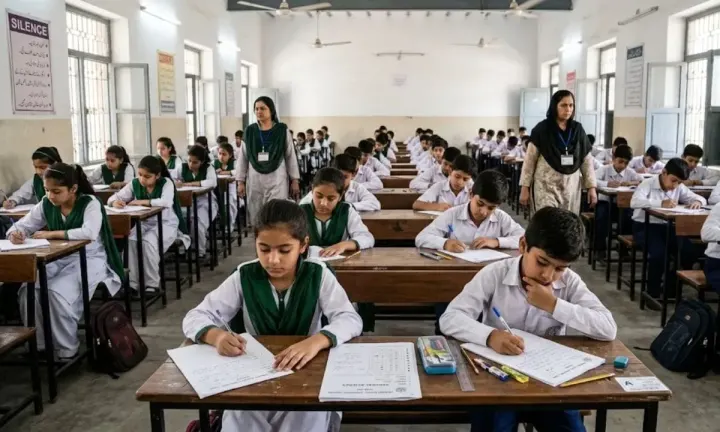
Grade 5 students, meanwhile, will undergo a holistic assessment instead of a conventional examination. The minister said the assessment would follow a fair and transparent process. This method moves away from high-pressure written tests for younger children, focusing instead on a broader evaluation of their academic progress and understanding.
Educational experts often support holistic reviews for elementary students to reduce test anxiety and encourage natural learning. By observing daily participation and overall comprehension, schools can form a complete picture of a child's development. The Ministry of Education oversees these procedures to guarantee that every child receives an equitable evaluation.
Background on Punjab Educational Assessments
Over recent years, the educational administration in Punjab has introduced several technological upgrades to modernize public school testing. Traditional paper-based grading often faced logistical hurdles and delays in result compilation. Moving toward digital formats like e-sheets addresses some of these historic challenges.
The separation of evaluation methods between Grade 5 and Grade 8 reflects differing developmental needs. While younger pupils benefit from broader observation methods, older middle school students require standardized testing to prepare for secondary school requirements. Hayat shared the details in a statement, outlining the examination format for Grade 8 and the assessment approach for Grade 5.
What the Digital Testing Changes Mean for Schools
Schools across Punjab must adapt their preparation strategies to fit the announced assessment models. Teachers guiding Grade 8 classes need to focus instruction on the four designated major subjects. Classroom instruction must align with the digital e-sheet format so students feel comfortable reading and answering questions on screen-compatible platforms.
At the same time, primary school educators must implement the framework required for holistic evaluations. Administrators monitor these changes closely to ensure technical infrastructure supports online marking without technical failures. Parents and students can expect clear guidelines from local education offices as the testing dates approach.