Punjab Government Sets December 15 for Student Electric Bike Distribution
The Punjab government is set to begin distributing electric bikes to students from December 15, 2026, as part of its initiative to provide affordable and convenient transportation to young people across the province. This major transport rollout addresses longstanding mobility challenges faced by students commuting to educational institutions every day. By introducing modern, eco-friendly transport options, provincial authorities hope to ease the daily travel burden on thousands of young scholars. The upcoming distribution marks a critical milestone in a policy designed to foster greater self-reliance among youth.
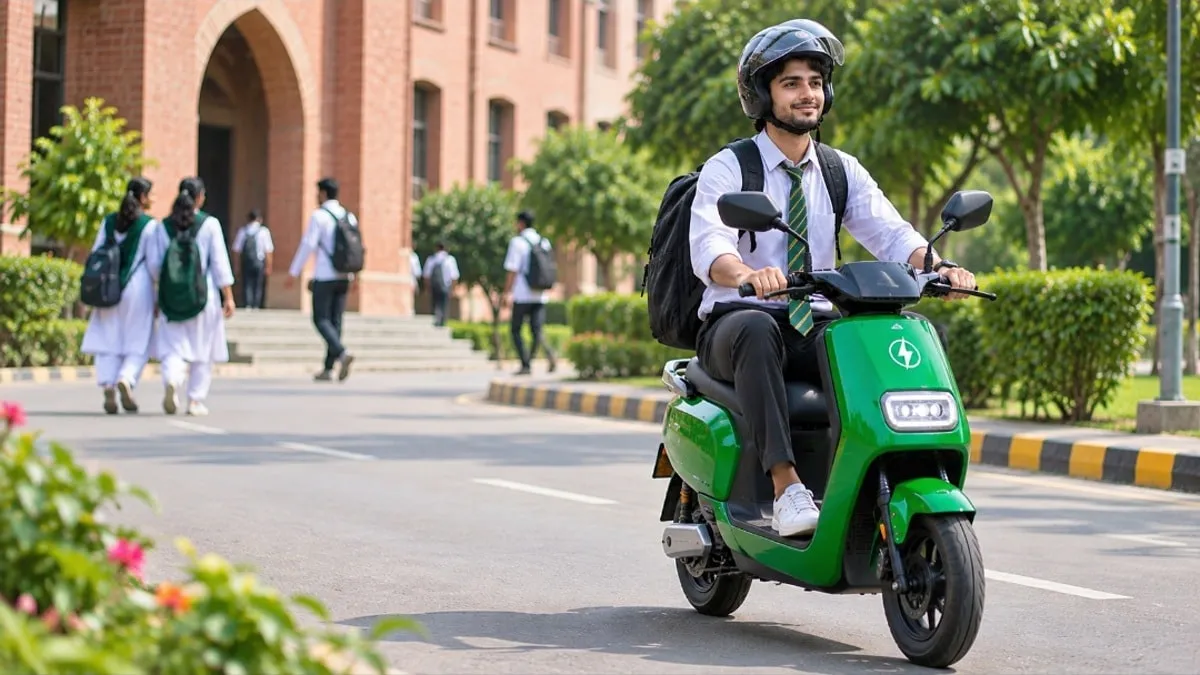
Punjab Chief Minister Maryam Nawaz announced the development during an address at the University of Chakwal on November 27. She said the government would provide pink scooters to female students and black scooters to male students, enabling them to travel independently to schools, colleges and universities. The formal announcement has generated substantial interest among students who submitted applications during the enrollment windows. Officials have spent months preparing the logistics required to distribute tens of thousands of vehicles safely and efficiently across multiple districts.
“From December 15, God willing, I am bringing scooters for you. Pink scooters for my daughters and black scooters for my sons, so they do not have to ask anyone to drop them at college, school or university. Instead, they can start their own scooters and head towards their destinations,” the chief minister said.
Punjab E-Bike Scheme: 100,000 Bikes for Students
The electric bike scheme aims to distribute 100,000 bikes among students across Punjab. The government has already received applications for the second phase, with more than 607,000 completed applications submitted against the available bikes. This overwhelming response highlights the massive demand for reliable and cost-effective personal transportation among the student demographic. Educational commuting often presents financial and logistical hurdles, making subsidized transport programs highly attractive to local families.
The high number of applications has made the selection process competitive, and the government is now moving toward the balloting and distribution stages. Managing over 600,000 applicants requires transparent screening mechanisms to ensure vehicles reach deserving candidates fairly. Administrative bodies have used digital platforms to process submissions and verify student credentials. As the distribution date approaches, successful applicants await final confirmation of their selection through upcoming balloting procedures.
Electric Bike Scheme Offers Interest-Free Installments
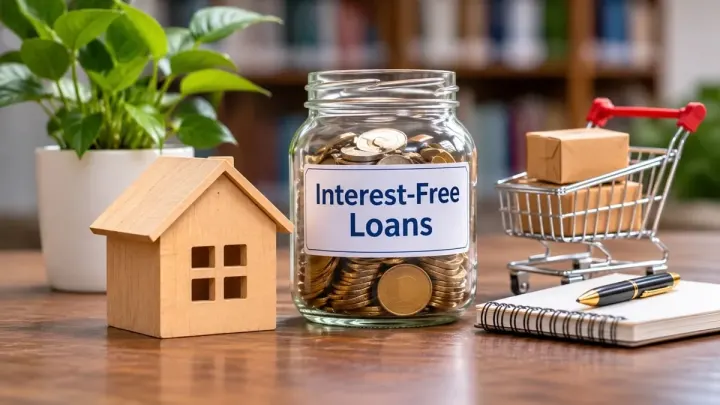
Under the scheme, selected students can obtain electric bikes through an interest-free installment plan without making an upfront down payment. Financial barriers often prevent young people from purchasing personal motor vehicles, but this model removes initial cost hurdles entirely. By absorbing the financing markup, the administration ensures that monthly repayments remain manageable for students and their families. This financial structuring makes modern electric mobility accessible to middle and lower-income households.
The announced financing details include:
- Total electric bikes: 100,000
- Down payment: Zero
- Monthly installment: Approximately Rs. 3,000
- Markup: 0%
The Punjab government will bear the financing markup and insurance costs. Selected students will also receive helmets and free riding training to help them use the vehicles safely. Comprehensive safety measures remain a priority for the administration, ensuring that inexperienced riders receive proper instruction before taking their new scooters onto busy public roads. Insurance coverage further protects beneficiaries against unforeseen financial liabilities resulting from accidents or vehicle theft.
When Will Punjab Distribute Electric Bikes?
Maryam Nawaz has announced December 15 as the date for the introduction of scooters under the student transportation initiative. The announcement follows an earlier commitment by the chief minister to begin electric bike distribution in December 2026 after the previous November schedule was delayed. Logistical preparations and verification protocols necessitated the timeline adjustment to ensure complete readiness before the physical handover of vehicles begins. Students and educational administrators have monitored these schedule updates closely as the rollout enters its final phase.
The shift toward electric two-wheelers also aligns with broader environmental objectives aimed at reducing urban air pollution and lowering carbon emissions across major cities in Punjab. Traditional gasoline-powered motorcycles contribute heavily to local smog issues, making electric alternatives a cleaner choice for densely populated campuses. By encouraging the adoption of battery-powered vehicles, the provincial administration supports sustainable urban transit development. Participants in the program will thus benefit from reduced operating costs while contributing to cleaner regional air quality.
Impact on Student Mobility and Independence
Reliable daily transportation remains a cornerstone of academic success, influencing attendance rates and participation in extracurricular activities. Many students across Punjab rely on crowded public buses or depend on family members for daily commutes, which can cause scheduling conflicts and delays. Having a dedicated personal scooter allows young scholars to manage their time effectively and arrive at their classes punctually. Female students, in particular, stand to gain significant freedom of movement through the provision of dedicated pink scooters tailored to their commuting needs.
The initiative also eases financial pressures on parents who previously struggled to fund private transport solutions or high daily travel fares. With monthly installments fixed at approximately Rs. 3,000 and zero markup, household budgets remain protected from sudden inflationary pressures in the auto market. Free riding lessons and helmet provisions further reduce the ancillary costs associated with adopting a new vehicle type. These combined factors create a comprehensive support structure designed to empower the next generation of professionals and academics through enhanced mobility.