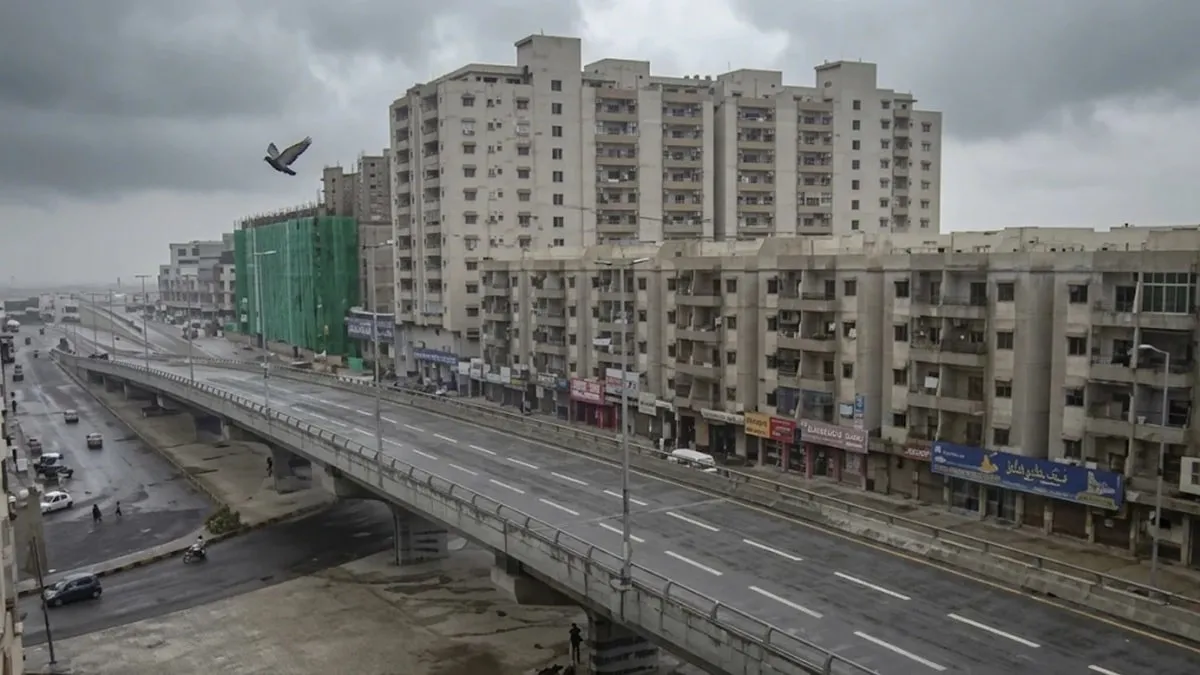
Safety Concerns Rise Over Damaged Jauhar Morr Flyover Pillars in Karachi
The deteriorating condition of the Jauhar Morr flyover in Karachi has raised safety concerns, as damaged concrete, exposed steel reinforcement bars, and cracks have been spotted on its supporting pillars. Located opposite Askari IV, the flyover carries heavy traffic daily despite visible signs of damage. Footage from the site shows concrete breaking away from several pillars, exposing steel bars that have started to rust. Cracks and fallen chunks of concrete can also be seen around the structure.
Urban infrastructure in major metropolitan areas requires constant upkeep to withstand the pressures of heavy daily transit. When vital transport links show signs of structural decay, the implications affect thousands of motorists and pedestrians who pass through the vicinity every single day. The Jauhar Morr flyover serves as a critical route for commuters traversing this part of Karachi, making the structural integrity of its foundation paramount to daily urban mobility.
How Vandalism and Illegal Encroachments Accelerate Infrastructure Decay
The situation has reportedly been made worse by drug addicts who gather beneath the flyover at night. Residents have complained that some individuals damage parts of the structure and light fires underneath it, leaving sections of the walls blackened by smoke. The space beneath the flyover has also become a makeshift shelter, with people reportedly spending the night there and leaving behind food and other belongings.
Constant exposure to open flames and deliberate vandalism weakens concrete and accelerates the corrosion process of internal steel reinforcement. When heat from fires impacts concrete pillars, it causes thermal stress and spalling, where the outer layers break away. This exposes the inner rebar to moisture in the air, leading to rapid rusting and a loss of load bearing capacity over time.
The Risks Posed by Heavy Daily Traffic Volumes
Residents fear that continued deterioration, vandalism, and a lack of proper monitoring could pose a serious threat to public safety, particularly given the heavy traffic passing above and below the flyover. Bridges and overpasses experience continuous vibration and dynamic loads from cars, buses, and freight trucks. When support columns are already compromised by missing concrete and rusted steel, their ability to handle these heavy loads safely diminishes.
Daily commuters cross this corridor without always noticing the hidden dangers beneath the road deck. The combination of structural compromise overhead and unregulated activity on the ground level creates a compounding hazard for the surrounding neighborhood. Public infrastructure experts frequently warn that ignoring minor surface cracks and spalling can lead to costly emergency repairs or catastrophic failure if left unattended.
Community Appeals and Demands for Urgent Municipal Action
They have urged the relevant authorities to repair the damaged pillars, secure the exposed reinforcement bars, and take measures to prevent further damage. They have also called for an end to fires and vandalism beneath the structure and increased police patrolling at night. Citizens say immediate action is needed to address the situation before the damage leads to a serious accident.
Local neighborhood groups emphasize that preventative maintenance is far more effective than reacting after a disaster occurs. Clear administrative intervention involves sealing off unauthorized encampments, deploying engineering teams to patch structural defects, and establishing routine police checks to stop nighttime vandalism. Property owners and families living near the junction continue to monitor the site while awaiting a formal response from municipal agencies responsible for municipal roads and bridges.
What Comes Next for the Jauhar Morr Overpass
As public pressure mounts, attention shifts toward the local government departments tasked with maintaining urban transit corridors. Observers and residents look for signs of engineering assessments, repair scaffolding, and security personnel deployed to clear the area beneath the spans. Without immediate intervention, the combination of environmental wear, heavy vehicle vibrations, and unauthorized human activity threatens to shorten the functional lifespan of this key Karachi roadway.
Taxpayers and everyday users expect municipal bodies to prioritize structural safety audits across all aging flyovers in the city. The Jauhar Morr site stands as a clear example of how urban neglect and social issues intersect to endanger critical public works. Prompt rehabilitation of the affected pillars remains the primary demand from local communities who rely on this transit artery for their daily routines.





