Rawalpindi Expands Public Transit With 35 New Electric Buses
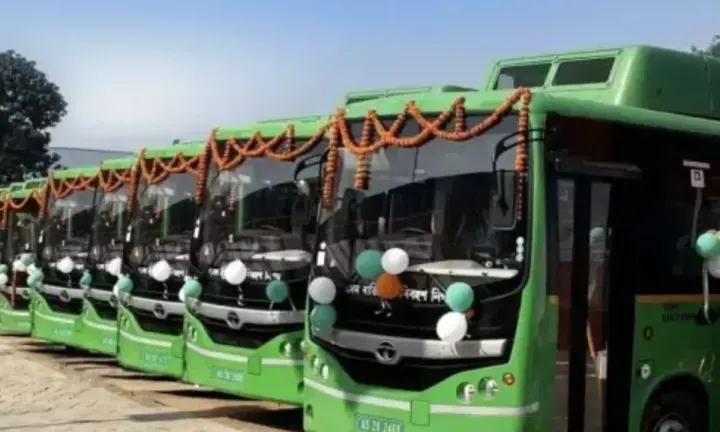
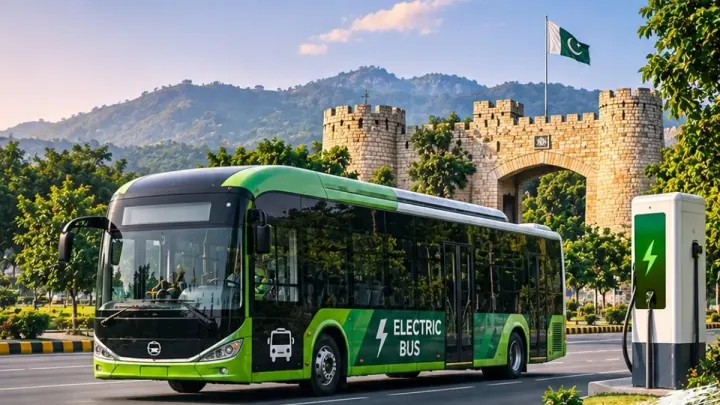
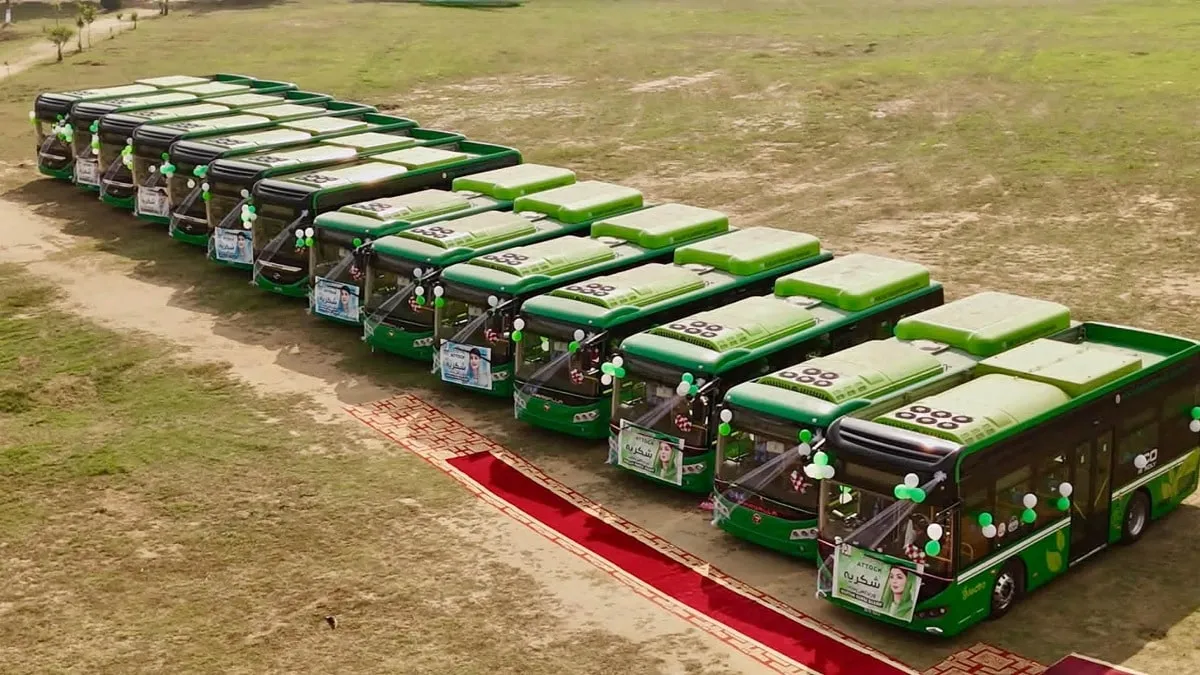
Rawalpindi has received 35 additional electric buses, taking the city's total fleet to 80 as the government prepares to expand public transport services across the garrison city. The new fleet addition marks a significant milestone in urban mobility for residents who rely heavily on affordable public transportation networks.
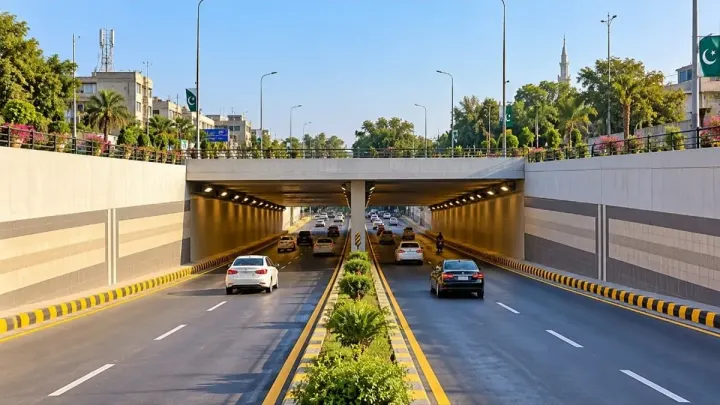
The new buses will begin operating on existing routes from Friday, while two routes along Peshawar Road will remain suspended due to ongoing construction of the Race Course Park and Charing Cross underpasses. City officials arranged the new vehicles following a positive public response to the initial launch, aiming to ease commuter congestion across major commercial and residential sectors.
Background of the Rawalpindi Electric Bus Project
Punjab Chief Minister Maryam Nawaz launched the electric bus service in Rawalpindi in November 2025 with an initial fleet of 45 buses. Following a positive response from commuters, the government arranged another 35 buses for the city. Urban transit planning in the region has increasingly focused on reducing vehicular emissions and modernizing aging transport infrastructure.
The integration of electric vehicles represents a shift toward sustainable public transit in Punjab. Public transport authorities have worked to establish reliable charging infrastructure and maintenance depots to support the growing fleet. The Regional Transport Authority depot on Adamjee Road serves as the primary hub for servicing and powering the vehicles.
Current Operating Routes and Suspensions
The Punjab Mass Transit Authority suspended services on specific routes following recommendations from traffic police due to civil works. The affected routes connect Saddar with Bhatta Chowk and Marrir Chowk with Motorway Chowk at Chungi No. 26. These suspensions are temporary measures intended to protect passengers and equipment during heavy construction.
A senior district administration official stated that the authority would deploy 25 buses across the eight operational routes based on passenger demand. Officials will put the remaining buses into service after the two suspended routes reopen. Currently, 40 buses are operational, while the authority keeps five others in reserve for maintenance and emergency replacements.
Fares and Concessions for Commuters
Women, senior citizens and students can travel free of charge, while other passengers pay a fare of Rs. 25. These concessionary rates are designed to support daily wage earners, students, and vulnerable groups who depend on public transit for education, employment, and healthcare access.
The eight operational routes connect major areas of the city, including Saddar, Koral Chowk, Fawara Chowk, Mandi Mor, Faizabad, Tramri Chowk, Kuri Road and Lalarukh Colony. This extensive coverage links busy commercial districts with densely populated residential neighborhoods, reducing travel times for thousands of daily riders.
Charging Infrastructure and Metro Integration
Uzair Shah, general manager of operations at the Punjab Mass Transit Authority, stated that the authority had completed arrangements to charge the new buses at the Regional Transport Authority depot on Adamjee Road. Reliable power supply and fast-charging docks are essential for maintaining strict schedules across the urban network.
He noted that the Punjab Mass Transit Authority could operate feeder buses for the Metro Bus Service under the law. The electric buses will also connect with the metro bus network serving Rawalpindi and Islamabad, creating a unified mass transit system that spans the twin cities.
What Comes Next for Rawalpindi Commuters
Commuters should monitor local announcements regarding the completion of the Race Course Park and Charing Cross underpasses. Once civil engineering works conclude, traffic police and transit officials will reassess conditions on Peshawar Road to lift suspensions. The deployment of the remaining reserve and newly added buses onto those routes will follow immediately, restoring full transit access to residents along the western corridor.