Karachi Sindhi Muslim Food Walk Imposes Rs. 600 Seating Fee
Visitors exploring the newly developed Sindhi Muslim Food Walk in Karachi reportedly face a Rs. 600 charge simply for sitting on restaurant chairs without placing an order for food or beverages. According to Geo Digital, several visitors reported demands for payment when they attempted to use the outdoor furniture without buying anything from the menus. A restaurant employee claimed the charge covered monthly fees that the Karachi Metropolitan Corporation and the relevant Town Municipal Corporation allegedly collected for tables and chairs placed in the public space.
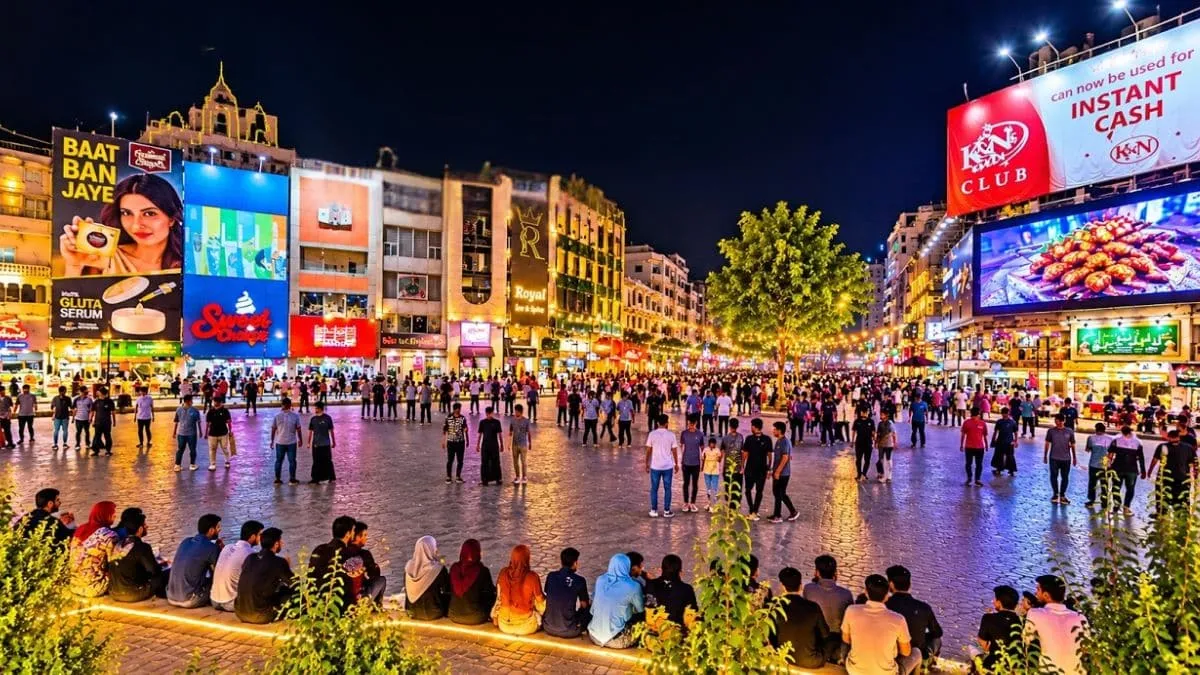
Restaurants have placed their furniture along a revamped pathway designed specifically for pedestrians and outdoor dining to attract diners and tourists. However, the unexpected demand for money has sparked discussions among citizens visiting the area, raising questions about public access and commercial policies. The site has quickly become a prominent talking point across the city, drawing both curious crowds and immediate criticism from those affected by the new rules.
Town Administration Denies Collecting Fees
Responding to a social media post highlighting the issue, TMC Chanesaar Town confirmed that it oversees the food walk area. However, the local administration denied that either the town administration or the Karachi Metropolitan Corporation collects fees from restaurants for using the public space to place tables and chairs.
The administration asked citizens to submit written complaints or photographs identifying restaurants demanding payment from visitors. It stated that it would seek official explanations from the businesses concerned regarding the unauthorised charges.
Meanwhile, another social media user reported facing the exact same Rs. 600 demand for resting at the tables. The user questioned whether the arrangement discourages middle-class families who cannot afford additional spending on food and drinks from visiting the public space.
Traders Report Lower Sales and Billboard Pressures
Businesses operating along the strip have also raised concerns since the food walk officially opened to the public. An anonymous source told Geo Digital that traders faced pressure to sign agreements with the town administration to install billboards along the food walk. The source described the urban renewal project as drawing inspiration from vibrant pedestrian streets in New York and Turkiye.
The same source claimed restaurant sales had actually fallen since the inauguration of the newly designed strip, with parking arrangements partly responsible for the decline in customer numbers. Without proper vehicle accommodation close to the dining establishments, potential patrons often choose to avoid the area entirely, impacting daily revenues for local business owners.
Impact on PECHS Residents and Traffic Congestion
PECHS resident Ghulam Hassan told Geo Digital that closing the Sindhi Muslim Food Walk to vehicles had pushed heavy traffic directly into surrounding residential streets. Hassan said his family had lived in the area for 40 years and stressed that restaurants had operated there long before the recent redevelopment took place.
He recalled that excavation work during reconstruction had already made access difficult for area residents and restaurant customers alike. Although local residents originally expected improvements from the civic project, he said congestion and disorder had increased significantly since the grand inauguration.
According to Hassan, vehicles now crowd streets across PECHS and adjoining areas as relentless traffic pressure builds up daily. Families trying to enter or leave their homes find themselves blocked by lines of cars seeking alternative routes around the pedestrianized zone.
Security Concerns and Neighborhood Disruption
The resident also raised serious security concerns, citing reports of mobile phone thefts during the opening event itself. He feared that heavier crowds and ongoing traffic congestion could lead to further thefts and street crimes in the neighborhood as outsiders flood the streets.
The transition from a traditional commercial strip to a curated pedestrian zone has created complex administrative challenges. Local authorities must now balance the commercial interests of restaurant owners, the recreational needs of visitors, and the daily peace of long-term residents who navigate the surrounding streets.
Background of Karachi Urban Spaces and Public Walkways
Urban regeneration projects in major metropolitan areas often aim to reclaim public spaces for pedestrians, drawing from international models. The redevelopment of commercial strips into dedicated food walks intends to boost local tourism, improve urban aesthetics, and create family-friendly environments. However, these transformations frequently encounter friction between municipal planners, commercial establishments, and local residents who experience the immediate practical consequences of altered traffic patterns.
In Karachi, managing public land and commercial encroachment has historically involved complex regulatory frameworks. Municipal bodies such as the Karachi Metropolitan Corporation and various Town Municipal Corporations share jurisdiction over different urban zones, leading to overlapping responsibilities and occasional confusion regarding fee collections, permit issuances, and public utility maintenance.
Understanding the Role of Municipal Corporations
Municipal corporations in urban centers are responsible for urban planning, infrastructure development, sanitation, and the regulation of commercial activities on public property. When streets are pedestrianized, local governments typically issue specific guidelines for outdoor dining, signage placement, and seating arrangements to ensure public pathways remain accessible. Disputes over sidewalk usage and seating charges highlight the challenges of enforcing municipal regulations while private businesses attempt to maximise their seating capacity and revenue generation.
The introduction of fees for merely occupying chairs highlights the commodification of public spaces. Public squares, pedestrian zones, and walkways are traditionally designed to be freely accessible to all citizens regardless of their purchasing power. When commercial entities extend their dining areas onto public pathways, maintaining a clear distinction between paying customers and casual visitors becomes a central regulatory challenge for local town administrations.
What Comes Next for the Sindhi Muslim Food Walk
As the controversy surrounding the seating fees and traffic congestion continues to unfold, local authorities face mounting pressure to clarify their policies. Citizens and affected residents will be watching closely to see whether TMC Chanesaar Town takes formal action against restaurants enforcing the Rs. 600 charge.
Traders and business owners must also navigate falling sales and administrative demands regarding billboard installations. Resolving the parking crisis and addressing security apprehensions voiced by long-term residents will determine the long-term viability and popularity of the newly launched food walk.