Karachi Set to Open First Phase of Safoora Flyover
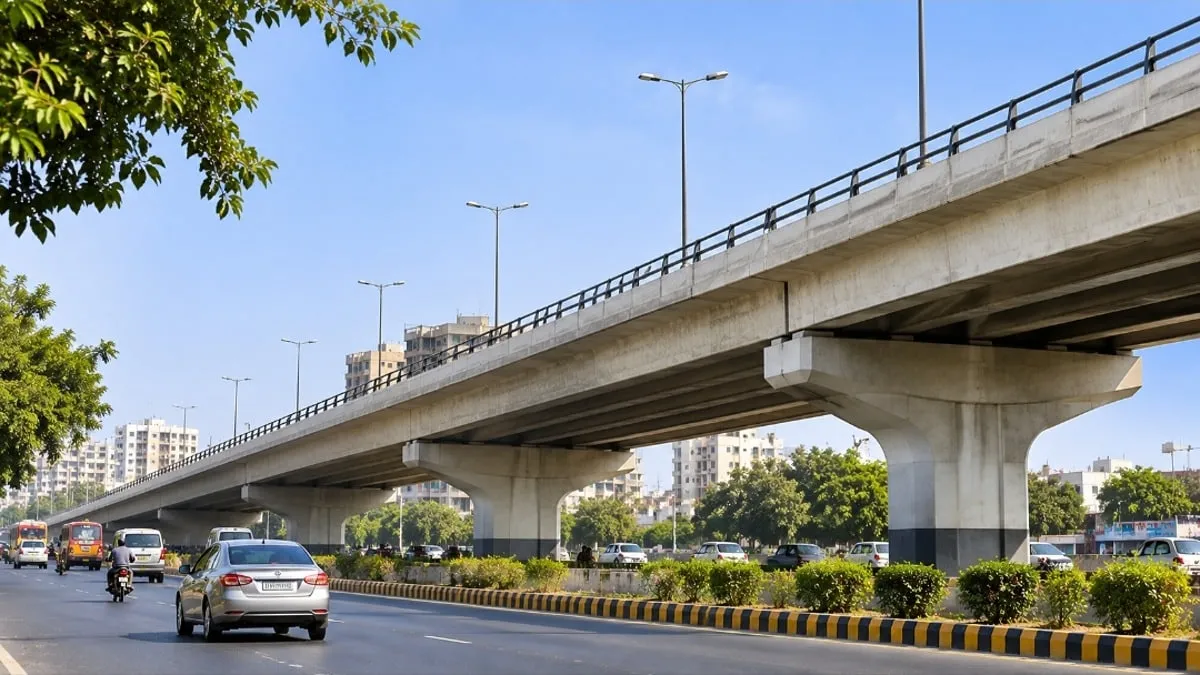
Motorists traveling through Karachi will soon have access to a brand new route as the first leg of Level 1 of the Safoora Flyover prepares to open to traffic. The upcoming launch marks a tangible milestone for commuters moving from Mosamiyat toward Checkpost 5, easing congestion in a heavily trafficked part of the city. Construction work on this specific section has reached its final stages, prompting authorities to announce the imminent opening.
TransKarachi, the designated implementing agency overseeing the Karachi Bus Rapid Transit Red Line project, shared the details regarding the impending rollout. Officials confirmed that the structure is nearly complete and safety checks are proceeding as planned. Drivers who frequently navigate this urban corridor can expect a smoother journey once the barricades come down.
Role of the Safoora Flyover in the BRT Red Line Project
The Safoora Flyover is not an isolated development but rather a vital component of the broader Bus Rapid Transit Red Line infrastructure initiative. This massive transit overhaul aims to modernize public transportation across Karachi and provide reliable commuting options for thousands of daily passengers. Integrating flyovers into the bus rapid transit network allows dedicated buses to bypass mixed traffic congestion and maintain strict schedules.
In addition to the Safoora structure, the Red Line infrastructure plan incorporates several other major engineering works across the city. Commuters will see similar elevated flyovers at Civic Center and Mosamiyat. The comprehensive blueprint also features multiple underpasses and elevated U-turns designed to streamline overall traffic flow and reduce bottlenecks at busy intersections.
Connecting Malir Halt and Numaish Chowrangi
The wider Bus Rapid Transit Red Line project serves a massive geographical area within Karachi. Its primary purpose is to connect Malir Halt with Numaish Chowrangi through a sprawling 24.2-kilometer main corridor. This arterial route links densely populated residential neighborhoods with major commercial hubs, educational institutions, and industrial zones.
Urban planners designed the corridor to handle high volumes of daily commuters efficiently. By dedicating specific lanes exclusively to high-capacity buses, the system aims to reduce travel times significantly compared to conventional road transport. The inclusion of multi-level infrastructure like the Safoora Flyover ensures that general vehicular traffic can coexist with the new transit system without causing gridlock.
Financial Scope and Cost of the Transit Upgrade
The scale of the transit overhaul requires substantial financial backing. According to a report by Dawn, the estimated cost for the entire Bus Rapid Transit Red Line project has risen to approximately $725 million. This total figure covers all associated infrastructure developments, including the various underpasses, stations, power systems, corridor paving, and multiple flyovers.
Financial allocations of this magnitude reflect the complexity of implementing a modern mass transit system in a densely populated megacity. Funding for projects of this scale typically involves a mix of international development financing and local government contributions. The investment targets long-term economic benefits by lowering transit costs and reducing fuel consumption for the public.
What Motorists and Commuters Should Expect
As the first leg of Level 1 of the Safoora Flyover opens, local drivers should remain alert to changing traffic patterns in the surrounding area. Road layouts near Mosamiyat and Checkpost 5 have shifted during the construction phase, and the new elevated section will introduce permanent alterations to how vehicles merge and turn. Traffic police will likely monitor the opening days closely to manage any initial confusion.
Residents living near the corridor should also anticipate the gradual finalization of adjacent construction sites as contractors wrap up remaining civil works. While the opening of this specific flyover phase brings immediate relief for north-south travel in the sector, construction on other parts of the 24.2-kilometer corridor will continue. Motorists are advised to follow local signage and exercise patience as the city transitions into the operational phases of the transit network.