Understanding the Lahore Anti-Smog Drive and Air Quality Crisis
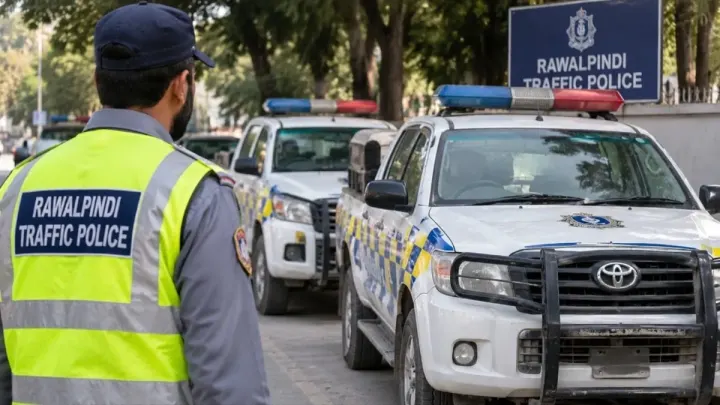
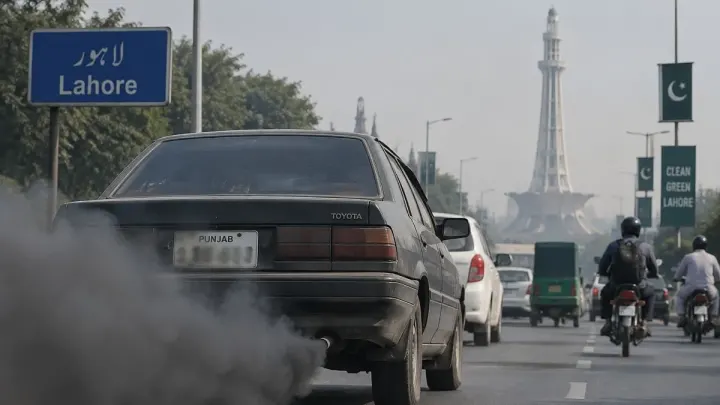
Lahore Traffic Police has stepped up the Lahore anti-smog drive across the city. Specifically, the department has set up special checkpoints at night to target vehicles that contribute to air pollution. Consequently, authorities have taken strict action against thousands of violators as part of the intensified crackdown.
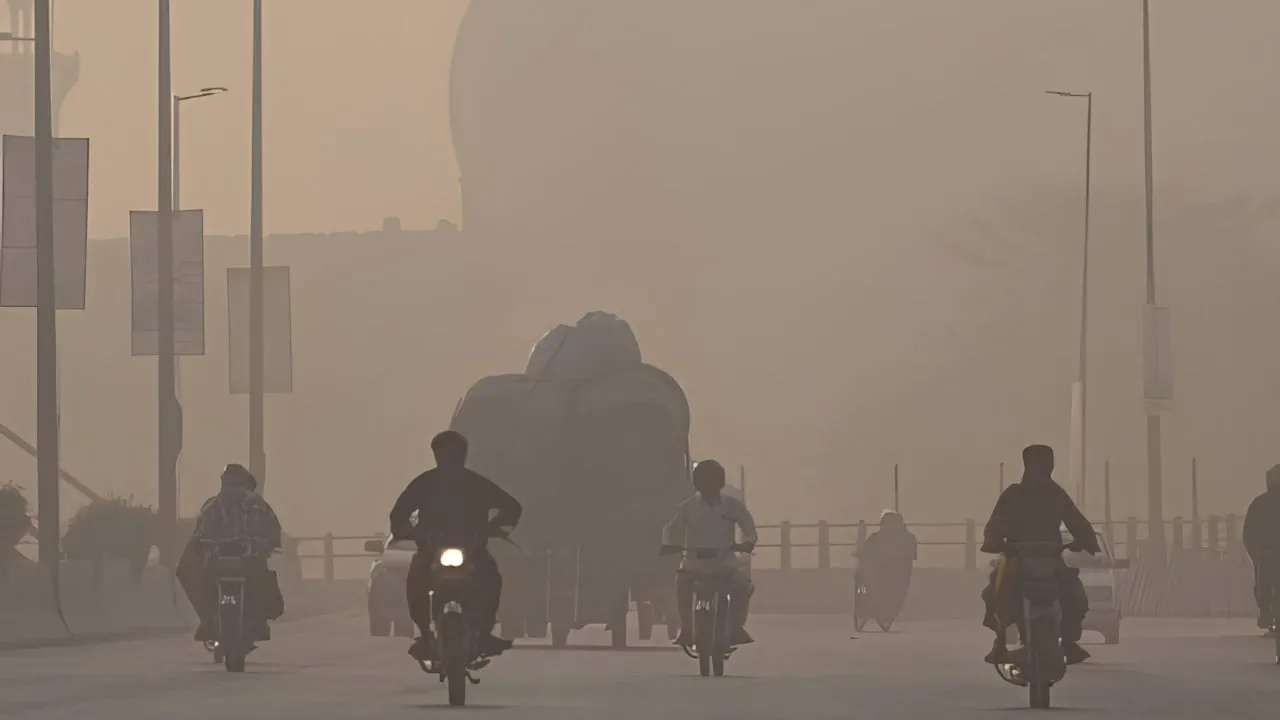
Air pollution remains a severe challenge for urban centers in the region, particularly during specific seasonal shifts when stagnant weather traps pollutants close to the ground. Vehicular emissions play a major role in degrading air quality, prompting local authorities to implement aggressive enforcement strategies. Traffic management departments often find themselves on the front lines of public health interventions, using regulatory tools to force compliance from vehicle owners and transport operators.
How Traffic Officials Are Penalizing Violators
According to Chief Traffic Officer (CTO) Lahore Abdul Raheem Shirazi, traffic officials have penalized vehicles across multiple violation categories. Specifically, the department has targeted smoke-emitting vehicles, uncovered material carriers, unfit vehicles, and overloaded transport.
The enforcement strategy relies on targeted inspections where officers check mechanical fitness, load security, and exhaust emissions. Drivers caught operating outside legal parameters face immediate financial penalties. By categorizing the offenses, the traffic police can address distinct sources of particulate matter and toxic gases entering the urban atmosphere.
Detailed Breakdown of Enforcement Figures
The enforcement data provided by the traffic authorities highlights the sheer scale of the operation across the metropolitan area. The table below outlines the enforcement figures shared by Lahore Traffic Police:
- Smoke-emitting vehicles: 14,653 challans issued
- Vehicles transporting soil and sand without protective covers: 10,306 vehicles
- Unfit vehicles operating without fitness certificates: 31,618 vehicles
- Vehicles involved in overloading: 272,760 vehicles
These figures demonstrate a massive volume of infractions involving heavy commercial transport and personal automobiles alike. Overloading causes engines to burn fuel inefficiently, while missing protective covers allow loose construction materials to blow directly into the air.
New Restrictions on Construction Materials and Smoke Offenders
In addition to issuing challans, authorities have introduced stricter restrictions to curb pollution sources. Specifically, Abdul Raheem Shirazi confirmed that officials have banned uncovered soil and sand carriers from entering Lahore. Furthermore, traffic police are taking direct action against severe offenders on the road. As a result, the department is suspending the driving licenses of drivers whose vehicles emit dangerously high levels of smoke.
Transporting loose materials without tarps or physical barriers is a persistent contributor to airborne dust in urban construction zones and transit corridors. By stopping these trucks at the city perimeter, police hope to prevent heavy particulate pollution from reaching residential neighborhoods. Suspending licenses adds a powerful deterrent for commercial drivers who might otherwise treat standard fines as a routine cost of doing business.
Role of Modern Monitoring Technology in Traffic Enforcement
Meanwhile, Lahore Traffic Police has turned to modern monitoring technology to strengthen its enforcement. Specifically, the department uses artificial intelligence to identify smoke-emitting vehicles and issue challans.
Digital cameras and automated sensors help bridge the gap between the vast number of vehicles on the road and the limited availability of human traffic officers. Machine learning models analyze visual feeds to detect excessive exhaust smoke in real time, recording license plates and generating citations automatically. This technological upgrade reduces human error and ensures consistent policing across different shifts.
Future Outlook for the Lahore Anti-Smog Drive
Moving forward, the crackdown shows no signs of slowing down. Ultimately, officials confirmed that enforcement operations under the Lahore anti-smog drive will continue to reduce smog and improve air quality across the city.
Sustained pressure on polluters requires long-term operational commitment from law enforcement agencies and transport departments. Public awareness campaigns often accompany these crackdowns to educate citizens on vehicle maintenance and emission standards. Observers will monitor whether these combined administrative and technological measures yield measurable improvements in local air quality over coming seasons.