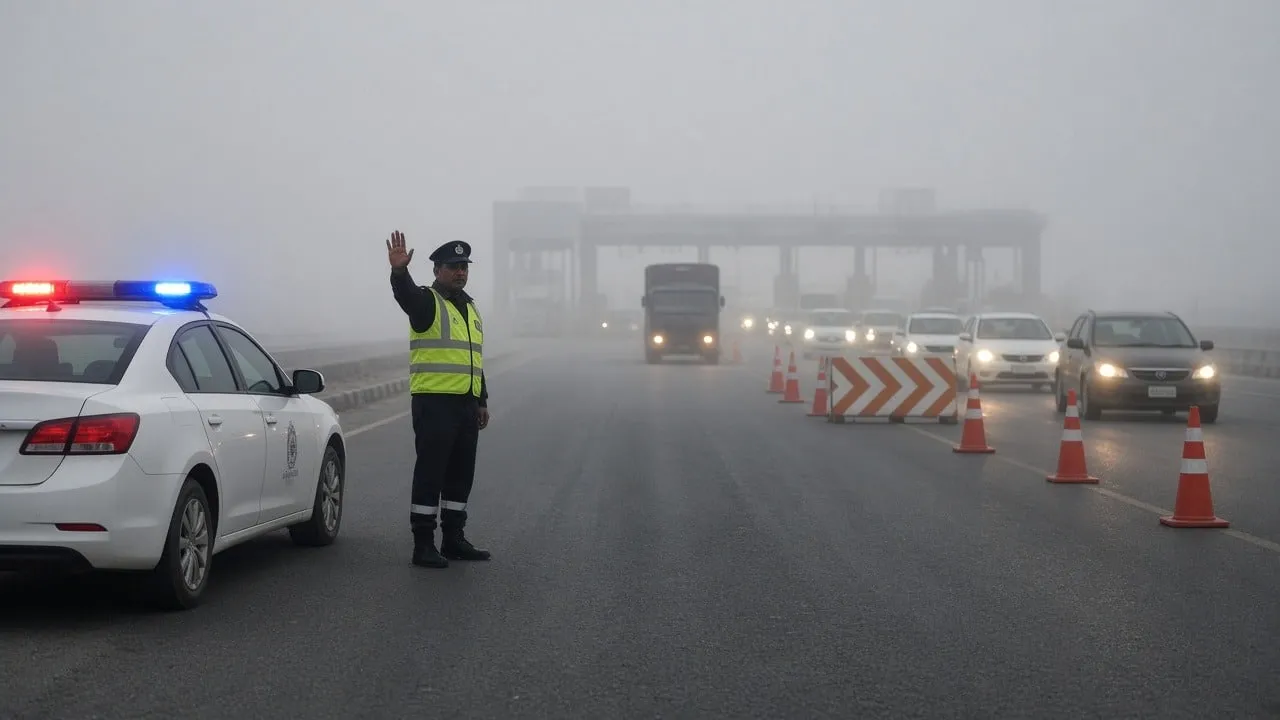
Punjab Motorways Closed Due to Dense Fog
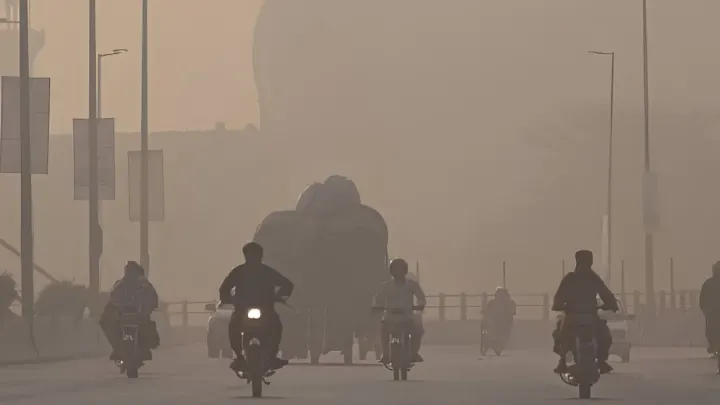
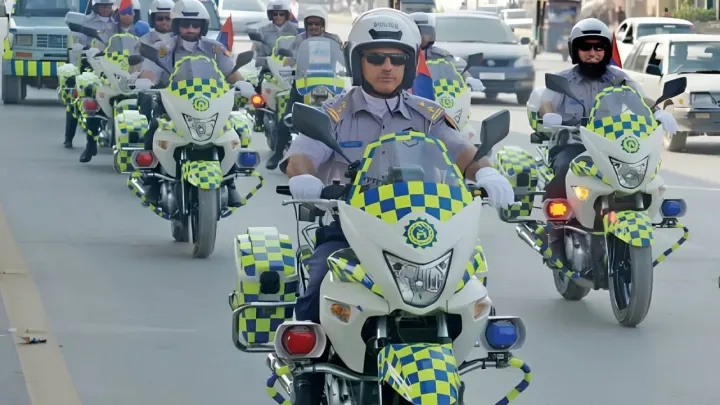
Dense fog has forced the closure of four motorways in Punjab, including the M2, M3, M4 and M11, according to Motorway Police spokesperson Syed Imran Ahmed. The sudden drop in visibility across the region created hazardous driving conditions, prompting transport authorities to restrict access to major transport corridors to prevent accidents. Low visibility during the winter season frequently impacts regional transit networks, leading to widespread disruptions for commuters and commercial transporters alike.
The M2 Motorway has been closed from Lahore to Hiran Minar, while the Lahore-Sialkot Motorway (M11) has also been shut for traffic due to fog. Additionally, the M3 Motorway is closed from Lahore to Jaranwala, and the M4 Motorway has been closed from Faisalabad to Pindi Bhattian. Separately, the M4 stretch from Faisalabad to Abdul Hakeem has been closed for heavy traffic, halting large commercial vehicles that rely on this major freight route.
Why Motorway Police Shut Roads During Foggy Conditions
The spokesperson said the closures are meant to protect the lives and property of the public. He urged people to avoid unnecessary travel in foggy conditions. Fog has repeatedly disrupted motorway traffic this month, and the Punjab government is already planning alternative routes for fog-related motorway closures. Winter weather patterns frequently produce thick fog banks across the plains of Punjab, reducing visibility to near zero meters in severe instances and making high-speed travel on controlled-access highways extremely perilous.
Transport authorities rely on temporary closures as a primary preventive measure when visibility drops below safe operational thresholds. Closing major arteries helps avoid multi-vehicle pileups that historically plagued high-speed corridors during sudden weather changes. Emergency personnel remain on standby near toll plazas and interchange points to enforce restrictions and manage traffic diversions.
Safe Travel Windows Between 10 AM and 6 PM
For essential journeys, Ahmed advised motorists to travel in daylight. He recommended travelling between 10 am and 6 pm for safer journeys during the fog season. Sunlight during these peak afternoon hours typically warms the lower atmosphere just enough to dissipate the thickest layers of moisture, offering improved visibility for inter-city drivers.
Drivers who must venture out during the winter months are encouraged to check weather updates and road conditions before starting their trips. Planning departures around these daylight windows significantly reduces the risk of encountering sudden fog banks that materialize rapidly after sunset and persist through the early morning hours.
Essential Motorway Police Safety Advice for Drivers
The Motorway Police issued the following advice for drivers who must travel in fog:
- Keep your speed low and maintain a safe distance from the vehicle ahead.
- Stay in your lane and avoid unnecessary overtaking and sudden braking.
- Use fog lights and make sure your headlights, rear lights and wipers are working properly.
Adhering to these protocols helps drivers react more effectively to unexpected obstacles on the road surface. Maintaining extended stopping distances compensates for slippery asphalt caused by heavy moisture condensation. Proper lighting ensures that vehicles remain visible to other motorists approaching from behind or from the opposite direction.
Impact of Fog Disruptions on Regional Transport and Commerce
Repeated motorway closures create significant logistical hurdles for commercial freight operators, passenger bus services, and daily commuters traveling between major urban centers in Punjab. Delays in cargo movement affect supply chains for agricultural produce, manufactured goods, and retail inventories moving through the central plains. Transport companies often face tight delivery schedules that get disrupted when key links like the M2, M3, M4, and M11 are blocked for hours at a time.
Authorities continue to monitor atmospheric conditions continuously using specialized sensors deployed along the transit corridors. As winter conditions persist, regional administrators urge citizens to cooperate with law enforcement personnel stationed at entry points and to prioritize personal safety above schedule adherence.