Karachi University Road Elevated U-Turn Faces Motorist Backlash
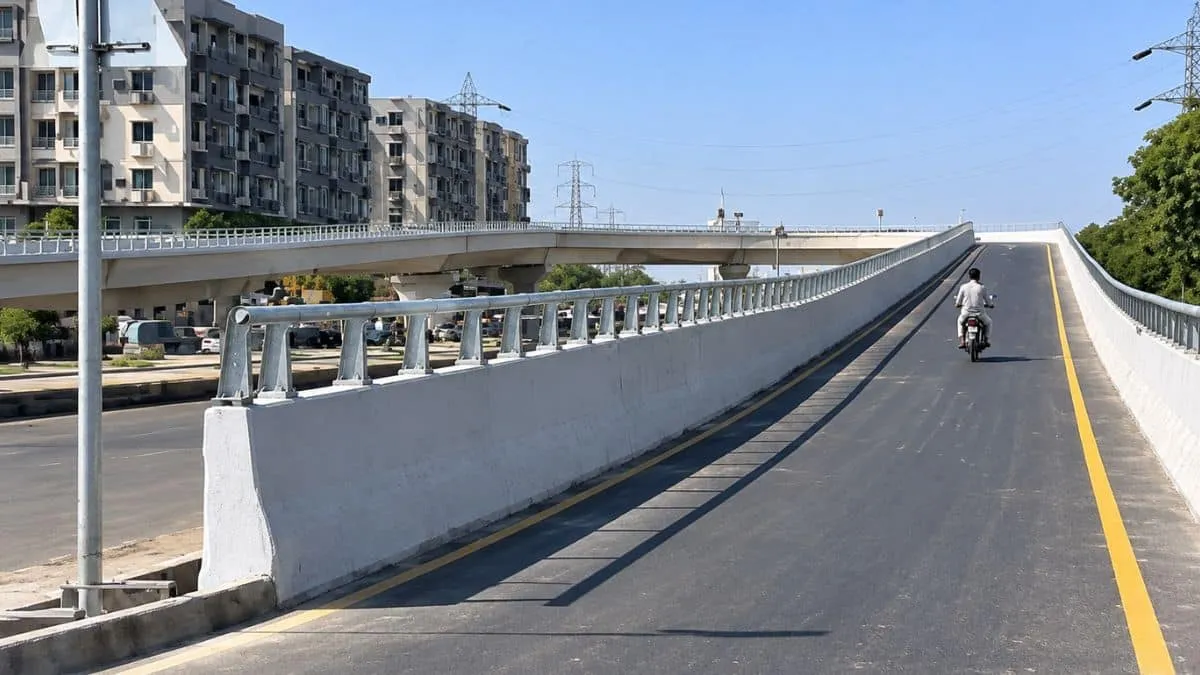
Motorists traveling through Karachi have expressed widespread dissatisfaction following the opening of a newly constructed single-lane elevated U-turn on University Road. The structure, which opened to traffic on November 5, 2026, has quickly drawn complaints due to its narrow layout and unusual design.
Commuters navigating the busy thoroughfare are questioning whether the elevated lane provides sufficient space for vehicles to execute turns comfortably. The public response highlights growing concerns over urban infrastructure projects in Pakistan's largest city, specifically regarding practical utility and everyday driving conditions.
Details of the Karachi BRT Red Line Project U-Turn
The Pakistan People's Party-led Sindh government authorized the construction of the infrastructure near the University of Karachi. This project moved forward following direct instructions from Sindh Senior Minister Sharjeel Inam Memon, who sought to address mounting traffic issues in the area.
Officially designated as KU Elevated U-Turn 2, this structure represents a first-of-its-kind engineering addition to University Road. It functions as part of the broader Karachi BRT Red Line project, which aims to overhaul public mass transit infrastructure across the metropolitan region.
TransKarachi, the public benefit company responsible for implementing the bus rapid transit system, provided operational details regarding the purpose of the flyover. According to TransKarachi, the structure allows motorists traveling from Safoora to turn back toward the University of Karachi without interrupting traffic on the main corridor.
Traffic Management and Construction Context on University Road
University Road has experienced severe traffic disruptions for an extended period due to major infrastructure development. Ongoing construction work related to the Red Line BRT and the K-IV water supply project has narrowed available lanes and created persistent bottlenecks for daily commuters.
The flyover-style turn was designed specifically to reduce congestion along University Road by separating turning vehicles from through traffic. City planners hoped the grade-separated solution would maintain traffic flow despite the heavy construction footprint occupying large portions of the surface road.
Sindh Senior Minister Sharjeel Inam Memon had earlier stated that the U-turn would make travel more convenient for commuters during the disruptive construction phase. Government officials anticipated that removing U-turn conflicts from the ground level would speed up transit times for thousands of private vehicles and public transport buses.
Public Criticism Over Narrow Single-Lane Design
Despite official projections of improved traffic flow, the public response focused immediately on the physical constraints of the elevated roadway. Motorists took issue with the narrow single-lane design, arguing that the tight radius and restricted width make the driving experience difficult.
Drivers have questioned the comfort and practicality of the newly opened route, noting that larger vehicles struggle to navigate the curve smoothly. Social media discussions and commuter forums reflect widespread apprehension about potential vehicle damage or traffic stalls occurring on the elevated structure.
The design choices implemented by transport authorities are now under scrutiny as everyday drivers test the limits of the single-lane configuration. Observers point out that tight corners on elevated structures require high driver precision, which can slow down the very traffic the project intended to expedite.
Broader Impact on Karachi Commuters
The completion of KU Elevated U-Turn 2 marks a visible milestone in the ongoing transformation of Karachi's public transit network. However, the friction between municipal transit goals and public user experience underscores the challenges of urban renewal projects in densely populated corridors.
Daily commuters rely heavily on University Road to connect residential zones like Safoora with educational institutions, commercial centers, and downtown business districts. Any design flaw or capacity restriction on major transit links directly affects thousands of workers and students who use the route every day.
Authorities have not yet announced structural modifications or operational changes in response to the public feedback. Drivers and local transport associations continue to monitor the performance of the elevated turn as construction work on the broader BRT corridor continues across the city.