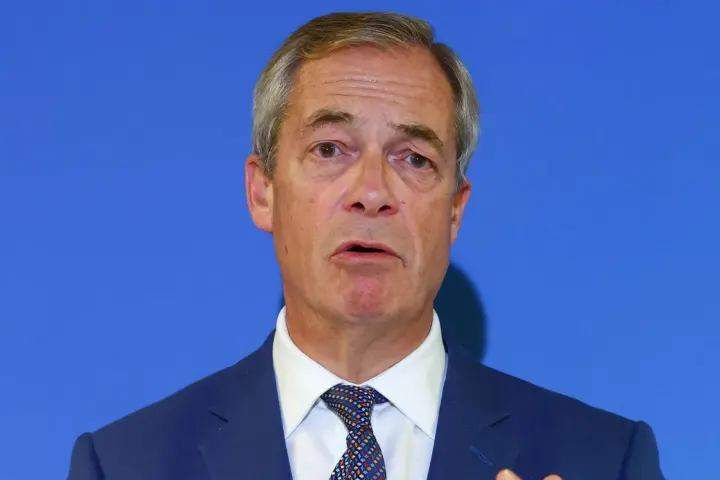
Kemi Badenoch, the UK work and pensions secretary, announced today that the government will aim to reduce the £180 billion annual spend on working-age benefits by £36 billion, positioning the plan as both a fiscal necessity and a moral correction.
The proposal comes as the Conservative Party seeks to regain political momentum during a relatively quiet parliamentary period, targeting Labour's criticism of the welfare system while appealing to voters who feel burdened by high taxes.
What Is the Proposed Benefit Cut and Why Does It Matter?
Badenoch's target of £36 billion represents a 20 percent reduction in the current £180 billion outlay for working-age adults. The figure is presented as a way to lower the tax burden on households and to re-allocate public funds to other priorities.
She argues that the existing system "writes off people and dumps them on the dole scrapheap," a phrase she used to describe what she sees as a de-humanising approach to welfare. By cutting the budget, she says the government will shift from a focus on what claimants cannot do to what they can achieve.
How the Government Frames the Moral Argument
In a striking departure from purely economic language, Badenoch invoked a personal-development narrative. She said, "If you tell a young person that their ADHD means they are defective and will never amount to anything, that mindset is likely to be more destructive to their future than the condition itself. That is what our welfare system is currently doing."
She continued, "Conservatives believe in a system that looks at people through the lens of what they can do, not what they cannot." The statement seeks to position the Conservative welfare agenda as compassionate, even as it proposes deep cuts.
Background: Welfare Spending in the UK
The United Kingdom's welfare system has long been a point of political contention. Since the early 2000s, total public spending on benefits has risen steadily, driven by demographic changes, rising unemployment, and expanded eligibility criteria. In the 2023-24 fiscal year, the Department for Work and Pensions reported that benefits for working-age adults, such as Universal Credit, Jobseeker's Allowance, and disability-related payments, totaled £180 billion, roughly 15 percent of total government expenditure.
Labour has traditionally advocated for higher benefit levels and broader safety nets, while the Conservatives have argued for tighter eligibility and incentives to work. The current debate echoes earlier reforms under the 2010 coalition government, which introduced stricter conditionality and reduced some payments.
Who Is Expected to Feel the Impact?
The cuts will affect a range of claimants, including:
- Young adults receiving Universal Credit while seeking employment.
- Individuals with disabilities who receive disability-related benefits.
- People on Jobseeker's Allowance who are transitioning between jobs.
Critics warn that a reduction of £36 billion could translate into lower weekly payments, stricter eligibility tests, or a reduction in the number of people who qualify for support. Supporters argue that the reforms will encourage labour-market participation and reduce dependency.
What Role Will Alan Milburn Play?
The government's own welfare adviser, Alan Milburn, is due to release a long-awaited report next week. Milburn, a former Labour minister turned Conservative adviser, has been tasked with reviewing the welfare system's efficiency and recommending reforms.
While his report is expected to contain a range of policy suggestions, the article notes that "Mr Milburn's recommendations are unlikely to make any savings in the long-run, leaving an opening for Ms Badenoch to continue punching the bruise." This suggests that the government may rely on Badenoch's political narrative rather than Milburn's technical recommendations to justify the cuts.
Political Context: Labour, the Climate Agenda, and the COP Summit
Opposition leader Andy Burnham is preparing to travel abroad for the COP climate summit later this week. Burnham's attendance underscores the Labour Party's focus on environmental issues, yet the article points out a tension between his climate commitments and his pledge to ease the cost of living for Britons.
Meanwhile, the Prime Minister is expected to "weaken his environmental clampdown on car manufacturers in the coming weeks," according to the piece. This juxtaposition highlights the broader political calculus: welfare reform, climate policy, and cost-of-living concerns are all competing for public attention.
What Are the Next Steps?
Following the announcement, the Conservative government will likely move the proposal through the Department for Work and Pensions, where detailed policy drafts will be prepared. The next formal step is a parliamentary debate, where the opposition will scrutinise the fiscal and social implications.
Alan Milburn's report, due next week, will be examined by both parties. If the report contains recommendations that align with the £36 billion target, they may be incorporated into legislation. If not, the government may still pursue the cuts using the moral framing introduced by Badenoch.
Stakeholders, including think tanks, charities, and trade unions, are expected to issue statements within the next few days, adding pressure on the government to justify the cuts with robust evidence.
Practical Takeaways for Claimants
Anyone currently receiving working-age benefits should monitor updates from the Department for Work and Pensions. Potential changes could include:
- Re-assessment of eligibility criteria.
- Adjustment of weekly payment amounts.
- Introduction of new work-search obligations.
Claimants are advised to keep records of their communications with the DWP and to seek advice from citizen advice bureaus if they receive notices of reduced payments.
Expert Opinions
Economists note that while reducing welfare spend can lower the fiscal deficit, the social cost may be higher if vulnerable groups experience increased hardship. Social policy scholars argue that a "capability-focused" approach must be paired with robust employment programmes to avoid widening inequality.
Political analysts point out that the timing of the announcement, during a quiet parliamentary session, suggests a strategic move to avoid immediate backlash and to frame the narrative before the COP summit dominates headlines.
Overall, the proposal blends fiscal prudence with a moral appeal, aiming to neutralise criticism that cutting benefits is "cruel." Whether the approach succeeds will depend on the details of the legislation, the findings of Milburn's report, and the reaction of the public and opposition parties.