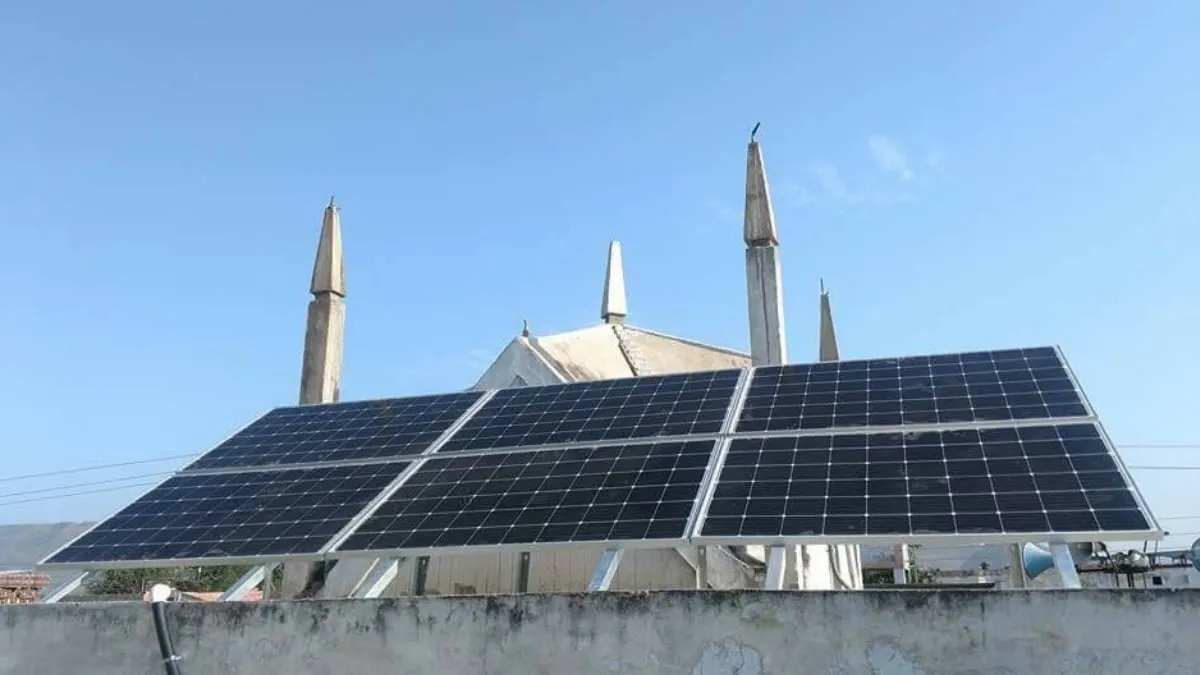
The Khyber Pakhtunkhwa government's initiative to power mosques with solar energy has drawn scrutiny following allegations of flawed bidding, inflated pricing, and compromised contract management. During the recent PTI administration, the province faced mounting questions after project reviews revealed questionable procedural choices, cost discrepancies, and failures to penalize delayed corporate suppliers across multiple regional packages.
Official records indicate that approved tenders across all seven packages covering 2,490 religious sites exceeded projected state budgets by 7.98% to 10.99%. This pricing gap placed an extra strain of more than Rs. 500 million on the public purse.
Records further show that a pair of contractors, previously excluded during prequalification, were permitted back into the competition once they lodged formal grievances. Queries also emerged concerning the projected expenditure per solar setup, which showed a variation of roughly Rs. 156,000 compared to figures from an earlier scheme run by the National Radio and Telecommunication Corporation (NRTC).
Schedules slipped during that prior NRTC project as well, creating another focal point for critics. While files mention an uncollected fine of roughly Rs. 586 million for these setbacks, authorities chose not to enforce it, granting the firm a fresh Rs. 419.1 million contract to convert 500 more mosques instead.
These revelations have sparked wider doubts surrounding administrative calculations, purchasing actions, and the enforcement of agreed supplier pacts.
Defending the undertaking, the Khyber Pakhtunkhwa Energy Development Organization (PEDO) maintained that the entire process adhered to legal frameworks and benchmarks of openness. Officials stated that tender assessments strictly respected existing regulations and that no private entity gained unlawful advantages.
PEDO explained that timeline disruptions stemmed from administrative complications and a shortage of available funds. Across the province, the broader program has a goal to supply solar installations to 7,500 mosques.