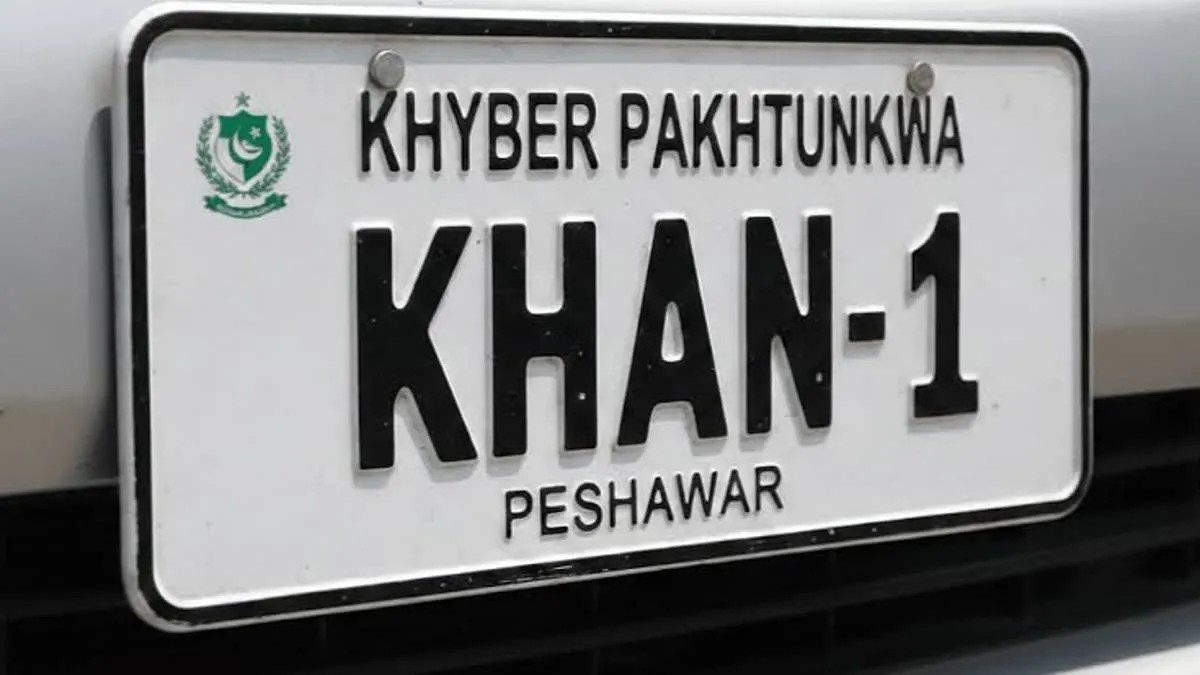
Khyber Pakhtunkhwa's Excise, Taxation and Narcotics Control Department announced a province-wide crackdown on vehicles with fake, illegal or self-made number plates, giving owners until November 10 to replace them with official plates.
The directive applies to cars, motorcycles and rickshaws across all districts. Owners who have not yet received their original plates must collect them from their respective district excise offices and display them on their vehicles before the deadline, the department said.
Why the Government Is Acting Now
Authorities in Khyber Pakhtunkhwa have long struggled with unregistered vehicles and counterfeit number plates. According to the provincial police, illegal plates impede traffic enforcement, enable tax evasion and facilitate criminal activity such as smuggling and hit-and-run incidents. In 2022 the province recorded a 12 % rise in traffic violations linked to unregistered vehicles, prompting the Excise Department to seek stronger compliance mechanisms.
What the New Rule Requires
The order is straightforward: every motor vehicle must display the original number plate issued by the Excise, Taxation and Narcotics Control Department. The plate must be affixed to the front and rear of the vehicle in the standard size and format prescribed by the department. Self-made or altered plates, including those with missing characters, illegible fonts or unofficial colors, are considered illegal.
Steps for Vehicle Owners
- Visit the district excise office where the vehicle is registered.
- Submit the vehicle registration certificate and any existing plate.
- Collect the newly issued official plate, which is typically ready within two working days.
- Securely fasten the plate to the vehicle using the provided screws or bolts.
- Retain the receipt as proof of compliance.
Enforcement Plan and Penalties
After November 10, traffic police and Excise officers will conduct spot checks at major intersections, toll plazas and market areas. Vehicles found with unauthorized plates will be issued a notice and, depending on the severity of the violation, may be subject to a fine of up to Rs. 50,000 or confiscation of the vehicle until proper registration is shown.
The department clarified that repeat offenders could face higher fines and longer confiscation periods. In cases where the owner cannot produce a valid original plate, the vehicle may be impounded for up to 30 days, after which the owner must pay storage fees in addition to the fine.
Background on Number-Plate Regulation in Pakistan
Number-plate issuance in Pakistan is a provincial responsibility. Each province maintains its own Excise and Taxation Department, which issues plates that bear a unique alphanumeric code, the province's logo and a security hologram. The system is designed to link each vehicle to its owner through a central database, enabling law-enforcement agencies to track ownership, tax payments and any legal restrictions.
In Khyber Pakhtunkhwa, the current plate design was introduced in 2018 to reduce forgery. However, a market for cheap, self-made plates has persisted, especially in rural areas where residents claim difficulty accessing excise offices. The new deadline seeks to close that gap by mandating a single, enforceable cutoff date.
Impact on Different Stakeholders
Motorists: Car owners, motorcyclists and rickshaw drivers must allocate time and a modest fee to obtain official plates. The cost of a standard plate is Rs. 2,500 for cars and Rs. 1,200 for motorcycles, with a small administrative charge for rickshaws.
Transport businesses: Fleet operators will need to coordinate plate replacement for multiple vehicles, potentially affecting daily operations. The department has advised larger fleets to schedule collective visits to district offices to minimise disruption.
Law-enforcement agencies: Police will have a clearer visual cue to identify unregistered or stolen vehicles, improving response times to traffic incidents and criminal investigations.
What to Expect After the Deadline
Following November 10, the Excise Department will publish weekly compliance statistics on its website. Areas with low compliance may see additional patrols and temporary roadblocks to enforce the rule. The department also indicated that it will consider extending the program to include electronic registration stickers in the future, though no timeline has been set.
Motorists who miss the deadline are urged to contact their district excise office immediately. The offices remain open on Saturdays for plate collection, and a dedicated helpline (0800-123-456) has been established to answer queries about the process.
Practical Takeaways for Readers
Check your vehicle's registration status online before November 10. If your plate looks homemade, altered or is missing, treat it as non-compliant. Gather your registration certificate, visit the nearest district excise office, and secure the official plate well before the deadline to avoid fines.
For fleet owners, plan a coordinated visit to the excise office and keep records of all plates issued. For riders of older motorcycles, verify that the plate matches the format introduced in 2018; older designs are no longer accepted.
By complying, motorists help maintain road safety, ensure proper tax collection and reduce the burden on law-enforcement agencies dealing with counterfeit plates.