Rawalpindi Police Announce E-Ticketing for Bus Passengers
Rawalpindi police have decided to introduce digital passenger monitoring at bus stands, hotels and guesthouses ahead of the upcoming Pakistan-Sri Lanka Test match scheduled for November 9 to 13. This security initiative aims to tighten surveillance and ensure public safety during the high-profile international sporting event hosted in the region.
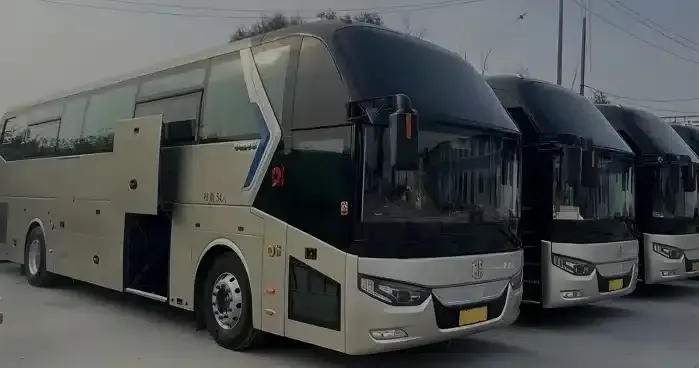
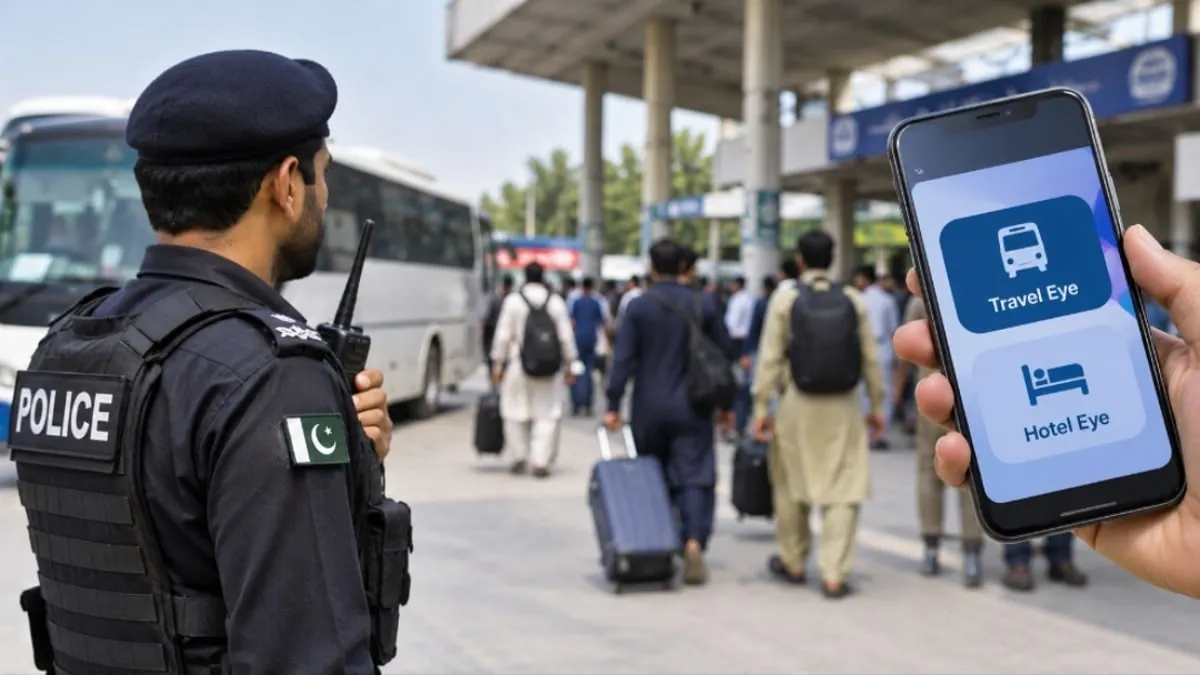
Under the security plan, authorities will introduce e-ticketing at bus and wagon stands through the Travel Eye app to maintain digital records of passengers traveling to and from the city. By digitizing the ticketing process, law enforcement agencies expect to track movement into and out of Rawalpindi more efficiently.
How the Travel Eye App Works for Bus Passengers
The implementation of e-ticketing marks a shift from traditional paper records to a centralized digital database managed by law enforcement. Passengers purchasing tickets at major transit hubs will have their credentials logged directly into the Travel Eye platform. Officials can cross-reference these passenger logs against criminal databases in real time to identify suspicious individuals before they enter the urban center.
Transport operators are required to integrate the software into their daily ticketing operations. Commuters traveling to Rawalpindi from other cities must provide valid identification when booking their seats. This procedure applies to all commercial buses and passenger wagons operating within designated transport terminals across the district.
Monitoring Accommodations with Hotel Eye
Police will also use the Hotel Eye app to collect records of guests staying at hotels, guesthouses, inns and private rest houses. A police official said the two apps would help law enforcement agencies monitor visitors, verify passenger records and identify wanted suspects entering the city or staying at local accommodations.
The Hotel Eye software automates the reporting of guest check-ins directly to police databases. Hotel managers and desk clerks must submit identification details of every visitor shortly after arrival. This system replaces older paper registers that required manual police inspection, allowing authorities to flag persons of interest immediately.
Security Review and Inter-Agency Coordination
Senior Superintendent of Police (SSP) Operations Malik Tariq Mahboob chaired a meeting to review security arrangements. Representatives from the Regional Transport Authority, Counter-Terrorism Department, Special Branch, City Traffic Police and other departments attended the session to coordinate their respective responsibilities.
During the meeting, officials discussed the logistical challenges of managing large crowds and securing transit routes used by international cricket teams and spectators. Representatives from the Regional Transport Authority agreed to ensure transport operators comply with the new digital ticketing mandate. The Counter-Terrorism Department and Special Branch will provide intelligence support to screen incoming passengers and hotel guests against threat lists.
Increased Surveillance at General Bus Stand
The SSP said police would increase surveillance at bus and wagon stands and establish a police post inside the General Bus Stand as part of the security arrangements. The new police post will serve as an on-site command and coordination center for monitoring compliance with the Travel Eye application.
Uniformed officers and plainclothes personnel will be stationed at transit terminals to assist transport staff and verify that ticket issuers use the digital application for every transaction. City Traffic Police will also manage traffic flow around the bus stands to prevent congestion caused by increased security checks and passenger volume.
Background on Digital Policing Initiatives in Punjab
The deployment of applications like Travel Eye and Hotel Eye forms part of a broader technological shift within law enforcement agencies across Punjab. Provincial authorities have increasingly relied on database integration to modernize crime prevention and suspect tracking over recent years. These software tools allow police departments to share information across districts and verify identities instantly during routine checks or major events.
Major sports fixtures often trigger heightened security protocols in Pakistani cities hosting international matches. Security planners use temporary checkpoints, enhanced transport monitoring, and restricted access zones to protect players, officials, and spectators. The upcoming Pakistan-Sri Lanka Test match requires comprehensive coordination between local police and specialized security units.
Practical Impact on Travelers and Local Businesses
Travelers heading to Rawalpindi via buses and wagons must carry original identification documents, such as a computerized national identity card, to purchase tickets. Commuters should anticipate brief delays at transport terminals as staff capture digital details for the Travel Eye system. Passengers who refuse to provide required identification will be denied tickets.
Local lodging providers must ensure their front desk staff are trained to operate the Hotel Eye software correctly. Failure to submit guest records through the app can result in administrative penalties or legal action from municipal authorities. Business owners in the hospitality sector have worked closely with police departments in the past to implement similar verification protocols during high-security events.
What to Watch for During Match Week
As the Pakistan-Sri Lanka Test match approaches, authorities will activate additional security perimeters around transit hubs and accommodation facilities. Citizens can expect a visible increase in police presence, snap checks on major roadways, and strict enforcement of the new digital registration rules. Further announcements regarding traffic diversions and stadium security protocols will be released by the police media cell as match dates draw nearer.