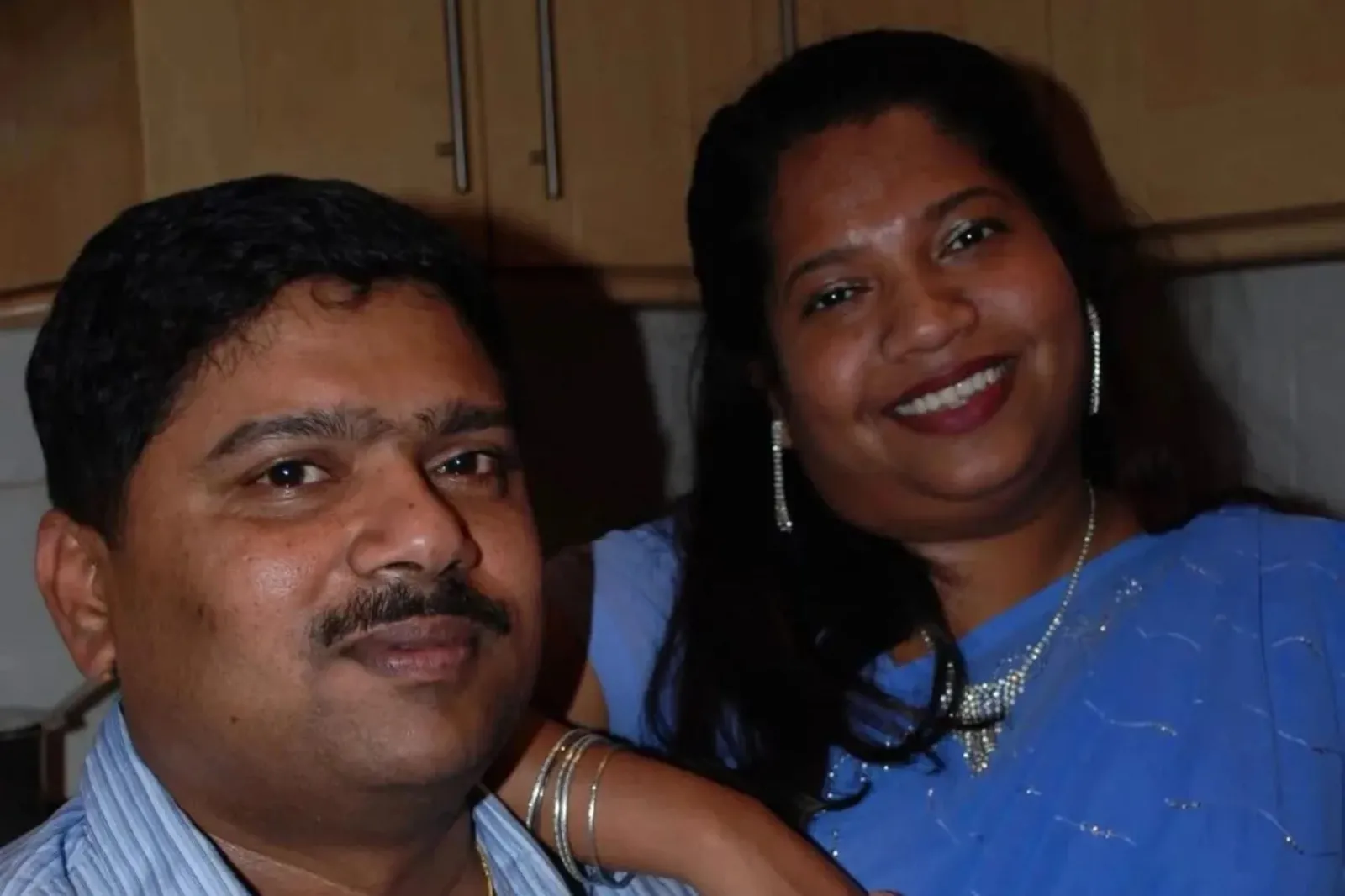
When 41-year-old Brion Xavier complained of a headache to his wife Bindhu, she initially assumed he was simply suffering from a common cold and offered him paracetamol. Within hours, however, the situation escalated into a medical emergency that ended in his tragic death.
Bindhu, a 51-year-old nurse working in Manchester, shared her harrowing experience to raise awareness about the hidden dangers of sudden headaches and the vital importance of organ donation. What began as a routine Sunday afternoon turned into a nightmare when her seemingly healthy husband suffered a rare and catastrophic medical event.
Understanding Subarachnoid Haemorrhage and Stroke Symptoms
Brion Xavier had been in good health prior to the incident, undergoing regular health checks during visits to family and friends in India, with his most recent evaluation taking place just a month before his passing. On a Sunday afternoon in November 2014, he mentioned having a headache, prompting Bindhu to provide paracetamol and ibuprofen, believing it to be seasonal flu.
Later that day, Bindhu left for her night shift as an intensive care unit nurse, while Brion continued to experience discomfort. At around 11pm, she returned home briefly during a break and found him sitting in the dark, squinting against the light and complaining of pain at the back of his neck.
Concerned about potential meningitis, she checked for a stiff neck by asking him to touch his chin to his chest, a test he managed successfully. She also took his temperature, which registered as normal, but noticed beads of sweat on his forehead that prompted her to contact an out-of-hours general practitioner.
The Critical Moments of Medical Collapse and Emergency Response
While speaking to the doctor on the phone while kneeling beside her husband, Bindhu heard a sudden snoring sound and turned to see him unresponsive. His tongue was blocking his airway, and she quickly realized his pulse was dropping rapidly as he collapsed.
She immediately ended the call and dialed 999, receiving instructions to pull her husband onto the floor and begin cardiopulmonary resuscitation. Paramedics arrived within minutes and rushed Brion to the hospital where Bindhu is employed.
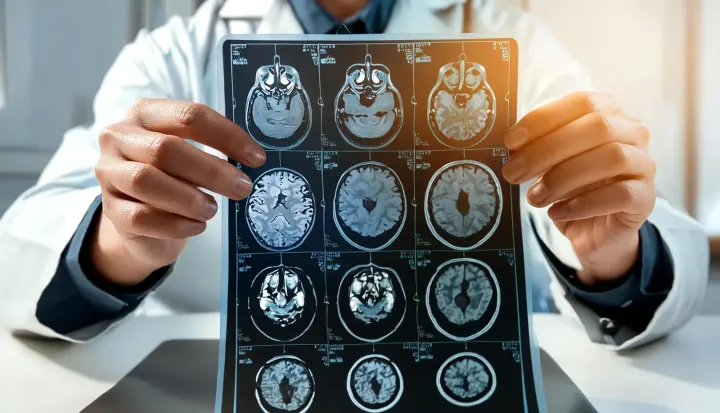
He spent three days in the intensive care unit receiving treatment, but subsequent tests on his brainstem revealed the severe bleed had left his brain unable to support life. Medical staff identified the condition as a grade 5 subarachnoid haemorrhage, which is a rare type of stroke involving bleeding in the space surrounding the brain.
What Is a Subarachnoid Haemorrhage and How Is It Treated?
A subarachnoid haemorrhage is a life-threatening medical emergency requiring immediate hospital intervention. According to the British Medical Journal and the National Health Service, the condition typically presents with a sudden and extremely severe headache often described as a thunderclap headache.
Other warning signs include neck pain or stiffness, nausea and vomiting, sensitivity to light, seizures, confusion, drowsiness, and facial drooping or weakness on one side of the body. Such events can occur at any time, sometimes triggered by physical exertion like coughing, heavy lifting, or using the toilet.
Treatment usually involves emergency surgery to stop the bleeding from a burst blood vessel or aneurysm. Surgeons may perform neurosurgical clipping by removing a small section of the skull to apply a tiny metal clip, or they may use endovascular coiling by threading a tube from the groin to the brain to block the aneurysm with tiny metal coils.
The Legacy of Organ Donation After Sudden Tragedies
Following the confirmation that Brion could not recover, the difficult decision was made to withdraw life support. Remembering her husband's wishes, Bindhu informed doctors that he wanted to be an organ donor.
Medics later informed her that her prompt initiation of cardiopulmonary resuscitation preserved his organs, enabling successful donations that saved three lives. Since that time, she has received cards from the recipients whose lives were transformed by her husband's final gift.
Reflecting on the ordeal, Bindhu expressed belief that returning home at that exact moment allowed her husband's organs to be preserved for others in need. She now advocates for open household discussions regarding organ donation and encourages people of colour to register as blood and stem cell donors.