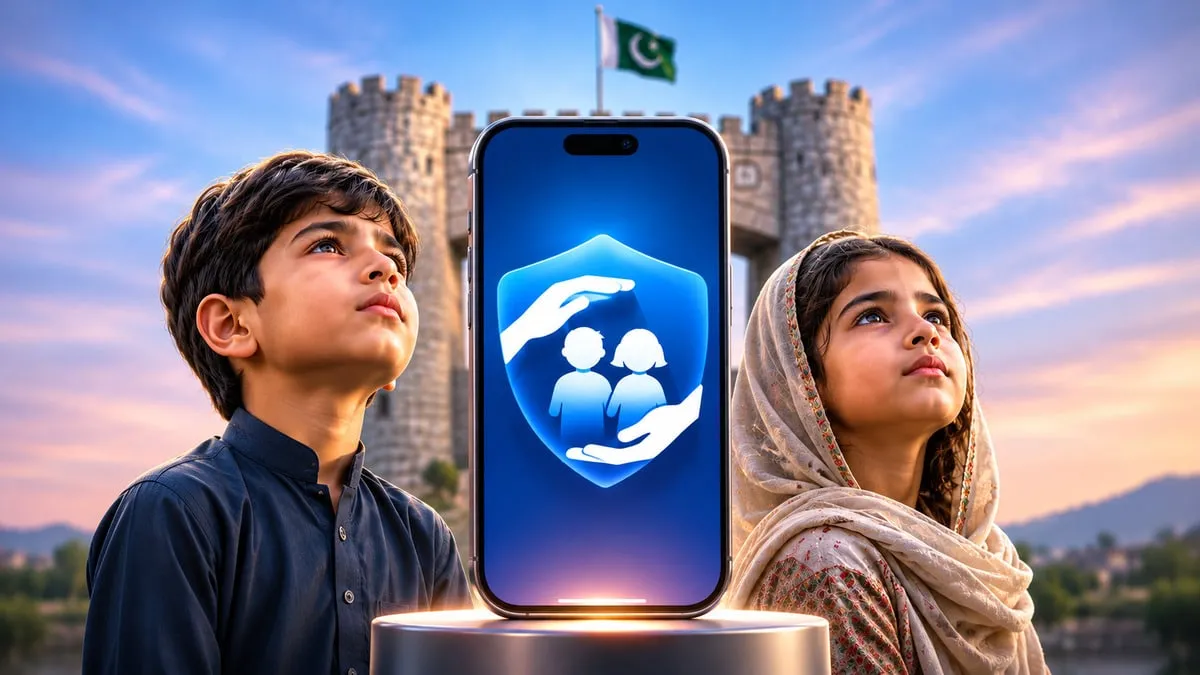
The Khyber Pakhtunkhwa (KP) government announced the launch of a new mobile application aimed at reporting child abuse, neglect, exploitation and other protection concerns on November 20, 2026, during a World Children's Day ceremony in Peshawar. The app, titled "I AM FOR EVERY CHILD / MUHAFIZ," was developed with technical assistance from UNICEF.
Despite the high-profile unveiling, no official download link, QR code or installation instructions have been made publicly available. Searches on Google Play and Apple's App Store for the announced name and its variant "I AM CHILD / MUHAFIZ" return no verified listing, leaving citizens, NGOs and child-protection workers without a clear way to access the platform.
Why the Missing Link Matters
Government statements describe the app as a tool to simplify reporting, improve coordination among departments and expand services in the province's merged districts. Without a public URL or clear guidance, the promised benefits cannot reach the intended audience. Parents, teachers, health workers and children themselves are left uncertain whether they can download the app, how to register, or what steps to follow after submitting a report.
Experts in digital public services note that a launch without a distribution channel often signals either an internal-use pilot or a delay in finalizing the public release. In either case, transparency is essential for trust, especially in a sector as sensitive as child protection.
Background: Earlier Child Protection App in KP
According to the Associated Press of Pakistan (APP), the KP government previously introduced a child-protection application called "I AM CHILD / MUHAFIZ" on November 21, 2025. That earlier version also received technical support from UNICEF and targeted the same merged districts, promising improved reporting, monitoring and service access.
The 2026 announcement uses a slightly altered name - "I AM FOR EVERY CHILD / MUHAFIZ" - while repeating many of the same objectives. No official statement has clarified whether the new release is a software update, a re-branding effort, or a completely separate platform. The lack of detail makes it difficult for stakeholders to determine if lessons from the 2025 rollout have been incorporated or if the earlier app ever reached the public.
UNICEF's Role and the Event's Highlights
The launch ceremony was organized by the Project Management Unit Child Protection under the Directorate of Social Welfare, Zakat, Ushr, Special Education and Women Empowerment, in partnership with UNICEF. UNICEF Peshawar Chief of Field Office Radoslaw Rzehak emphasized the need to protect children from violence, abuse, exploitation and neglect. Child Protection Officer Bushra Ajmal called for stronger inter-institutional coordination, community engagement and sustainable protection measures.
Child Protection Programme Manager Amjid Mehmood and Project Coordinator Kainat Farooqi presented the annual newsletter "Journey of the Year," which outlined achievements and improvements in child-protection services for 2026. Government officials, UNHCR representatives, civil-society groups, academic institutions and children attended the event, underscoring broad stakeholder interest.
How the App Is Supposed to Work
While the official brief does not detail the user journey, similar child-protection platforms typically follow these steps:
- Download the app from a verified store (Google Play or Apple App Store).
- Create a user profile using a mobile number or national ID.
- Select the type of concern - abuse, neglect, exploitation, etc.
- Provide location details, a description of the incident and, if possible, attach photos or videos.
- Submit the report, which is then routed to the nearest child-protection office for follow-up.
In many jurisdictions, the app also offers a helpline number, safety tips and a resource library for parents and teachers. Without an official guide, it is unclear which of these features, if any, are present in the Muhafiz app.
Potential Impact on the Merged Districts
The merged districts - formerly part of the former Federally Administered Tribal Areas (FATA) - have historically faced gaps in child-protection infrastructure. Limited access to police, social-welfare offices and legal aid has left many cases unreported. A functional mobile reporting tool could bridge that gap by allowing victims or witnesses to alert authorities instantly, even from remote villages.
Should the app become publicly accessible, NGOs operating in the region could integrate its reporting flow into their case-management systems, improving data sharing and response times. Conversely, the current opacity may reinforce existing mistrust of government services, discouraging families from seeking help.
What the Government Needs to Do Next
To move from announcement to impact, the KP government should take the following steps:
- Publish verified download links for both Android and iOS platforms on official websites and press releases.
- Provide a QR code and step-by-step installation guide in local languages (Pashto, Urdu and English).
- Clarify whether the app is open to the general public or limited to government staff during a pilot phase.
- Explain the relationship between the 2025 "I AM CHILD / MUHAFIZ" app and the 2026 "I AM FOR EVERY CHILD / MUHAFIZ" version, highlighting any functional upgrades.
- Set up a public helpline or email address for users to report technical issues or ask for assistance.
These actions would align the launch with best practices for digital public services and reinforce the province's commitment to child safety.
Legal and Policy Framework Supporting the Initiative
Khyber Pakhtunkhwa operates under Pakistan's National Commission for Child Rights (NCCR) and the provincial Child Protection Act of 2017, which mandate the establishment of mechanisms for reporting and responding to child abuse. The act requires provincial authorities to develop digital tools that facilitate timely reporting and data collection. The Muhafiz app, if made publicly available, would fulfill a statutory requirement and could serve as a model for other provinces.
What to Watch For
Stakeholders should monitor official KP government channels for any forthcoming announcements regarding the app's public release. Updates may appear on the Directorate of Social Welfare's website, the KP government's social-media accounts, or through follow-up press briefings by the Project Management Unit Child Protection. Media reports or statements from UNICEF Pakistan may also provide clarification.
Until such information is released, the Muhafiz app remains a declared initiative without verifiable public access, limiting its ability to protect vulnerable children in the province.