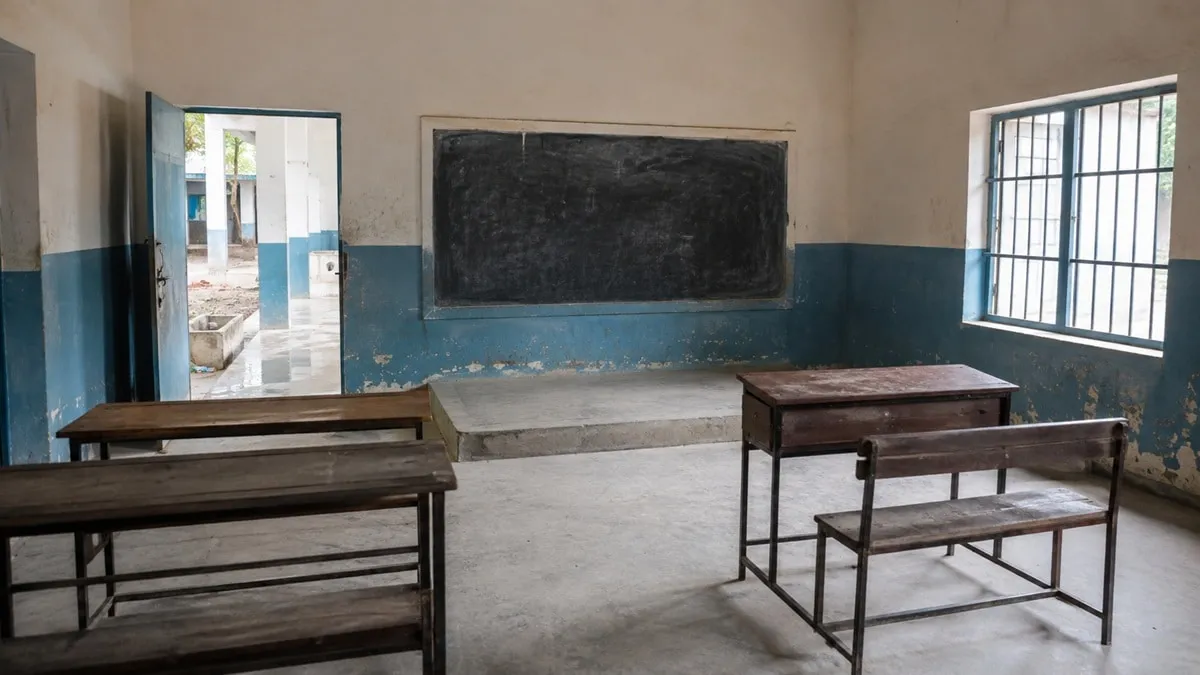
KP Education Department Issues Directive on Unsafe School Buildings
The Khyber Pakhtunkhwa Elementary and Secondary Education Department has ordered the immediate relocation of students from dilapidated and dangerous school buildings and their unsafe sections to safer locations. This urgent directive comes as authorities prioritize the physical security of children attending public educational institutions across the region. Officials stress that no child should remain in a structure that poses a risk to life or limb due to structural deterioration.
In a letter issued to all District Education Officers, the department directed that students studying in unsafe buildings be shifted immediately to secure classrooms. District administrators must act without delay to map out vulnerable facilities and move pupils out of harm's way. The speed of the response highlights the pressing nature of the infrastructure crisis facing public schools in the province.
How District Education Officers Will Relocate Students
According to the instructions, students should be accommodated in safe sections of the same school or nearby government schools. Using existing public infrastructure remains the primary method for keeping classes running without placing extra financial strain on the administration. When an entire campus is compromised, neighboring educational facilities must absorb the displaced learners.
In case government school facilities are unavailable, rented buildings may be arranged to ensure the continuation of their education. This flexible approach allows local authorities to secure private spaces within the community so that children do not miss instructional days. Funding and logistical support must be coordinated locally to finalize lease agreements where public alternatives fall short.
Targeting Specific Dangerous Portions Rather Than Full Closures
The department clarified that only unsafe portions and rooms of buildings declared dangerous would be vacated and sealed, rather than requiring the evacuation of entire buildings. This targeted strategy prevents mass disruption where a single wing or room is degraded while the rest of the structure remains sound. School administrators receive clear boundaries on which specific areas are off-limits to staff and students.
The letter stated that dangerous school buildings and their unsafe sections had been identified by the Communication and Works Department and technical experts. Engineering professionals conducted thorough safety assessments to determine which walls, roofs, or foundations failed to meet safety standards. Relying on formal technical evaluations ensures that decisions to seal rooms rest on verifiable engineering data rather than guesswork.
Immediate Measures and Alternative Arrangements for Student Safety
All District Education Officers have been directed to take immediate measures to ensure students' safety and make alternative arrangements to prevent any disruption to their education. The administrative burden now rests on regional education heads to oversee the physical transfer of classes, desks, and teaching materials. Bureaucratic delays have been explicitly discouraged in favor of rapid, protective action on the ground.
Protecting the student population requires continuous monitoring of educational facilities as weather patterns and aging materials take a toll on masonry. Local communities and parents watch closely as officials implement these emergency directives, demanding accountability and transparency in how funds and rented spaces are managed. The ultimate goal remains uninterrupted learning inside structurally sound environments across every district of the province.