Pakistan Government Plans Major Overhaul to Crackdown on Undocumented LPG Imports
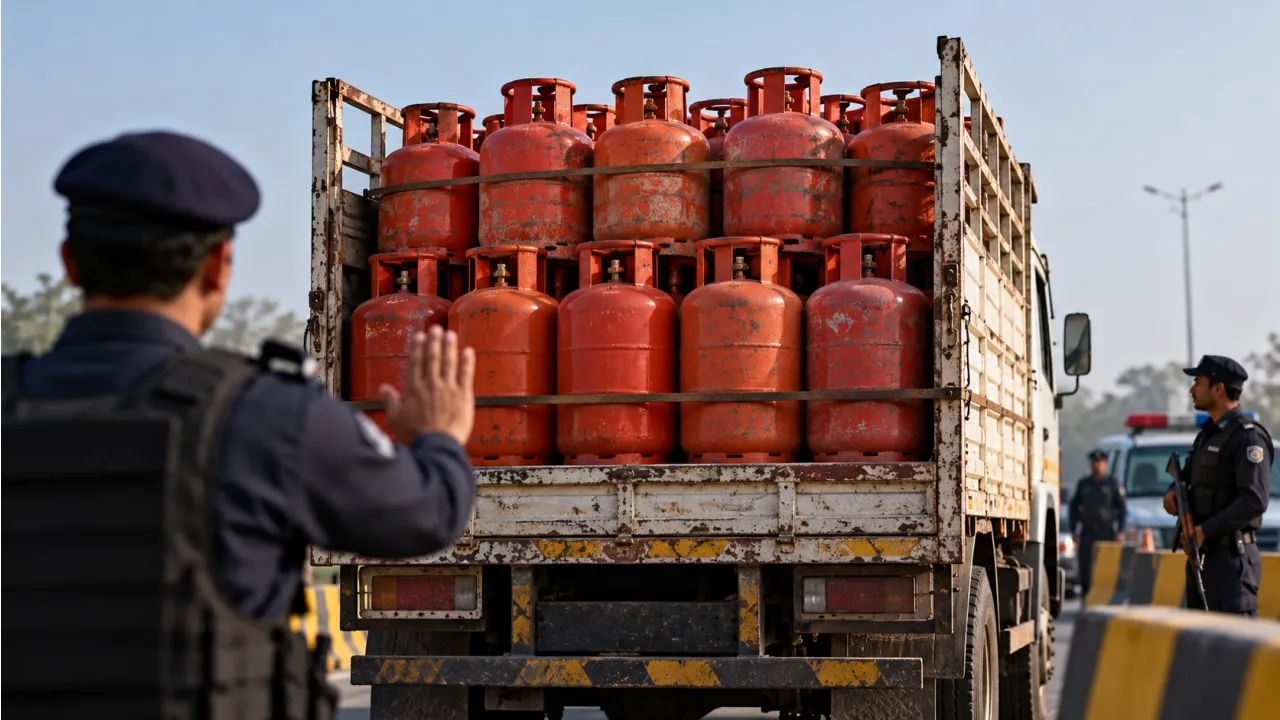
The government of Pakistan has outlined a series of comprehensive measures aimed at reforming the domestic liquefied petroleum gas sector. This proposed overhaul targets undocumented imports, tightens existing quality controls, and improves overall safety across the entire supply chain. Officials state that more than half of the national supply enters through land crossings where testing facilities are currently unavailable.
A recent Cabinet summary raises serious concerns regarding undocumented liquefied petroleum gas imports, inadequate quality testing, and unsafe handling practices. Inspections conducted by the Oil and Gas Regulatory Authority and the Hydrocarbon Development Institute of Pakistan at Taftan have frequently found substandard products entering the country. Furthermore, these undocumented inflows completely evade sales tax, the Petroleum Levy, and customs duty.
Safety Hazards and Fatalities at Land Crossings
The government document highlights repeated explosions caused by unsafe decanting at border crossings without adequate safety infrastructure. These incidents have resulted in more than 60 fatalities since the year 2020. Additionally, official estimates indicate that 56 percent of liquefied petroleum gas bowsers currently operating in the country are unlicensed.
There are approximately 2,000 liquefied petroleum gas bowsers operating nationwide, with only about 800 meeting official regulatory standards. Enforcement action against non-compliant bowsers is proposed to remain suspended until June 30, 2027. This grace period is intended to give industry stakeholders sufficient time to transition towards full compliance.
New Quality Testing and Infrastructure Requirements
Under the proposed guidelines, the Oil and Gas Regulatory Authority is directed to introduce quality testing at land entry points through the Hydrocarbon Development Institute of Pakistan by June 30, 2027. The framework also proposes establishing National Energy Productivity and Conservation Authority satellite offices and Hydrocarbon Development Institute of Pakistan or PCSIR laboratories at these entry points by the same deadline.
After June 30, 2027, liquefied petroleum gas volumes will be strictly prohibited from entering through any port without undergoing spot testing first. The Oil and Gas Regulatory Authority and Federal Board of Revenue Customs will jointly work to measure and control undocumented inflows, closing loopholes that currently prevent authorities from capturing true import volumes.
Supply Chain Regulations and Cylinder Standards
The new framework introduces strict operational rules for storage, filling, and transportation. Cylinder filling will be restricted exclusively to licensed plants, and bowser-to-bowser transfers will be strictly prohibited. Cylinder standards will be strengthened through embossing and barcoding, a complete ban on unregistered empty cylinders, and periodic requalification of manufacturers.
The Oil and Gas Regulatory Authority will be required to audit licensees sales volumes against their licensed storage, cylinder circulation, and filling capacity. Non-compliance will carry severe penalties, including the cancellation of operating licences. The regulatory body must also strengthen health, safety, and environmental enforcement through regular audits and penalties for violations.
Legal Penalties and Winter Energy Security
To deter illegal activities, the government proposes amendments to Sections 285 and 286 of the Pakistan Penal Code. These changes will increase legal penalties and classify relevant offences as non-bailable. The regulatory authority may also convene product review meetings to assess supply chain conditions, import plans, and winter stock requirements.
The Petroleum Division has emphasised that uninterrupted imports are particularly important ahead of winter. Limited piped gas availability during colder months places additional pressure on households that rely on cylinders. The official summary notes that the current geopolitical situation increases vulnerabilities in energy supply chains, making reliable imports essential to avoid shortages and public distress.