Khyber Pakhtunkhwa Vehicle Fitness Certificate Fees Explained
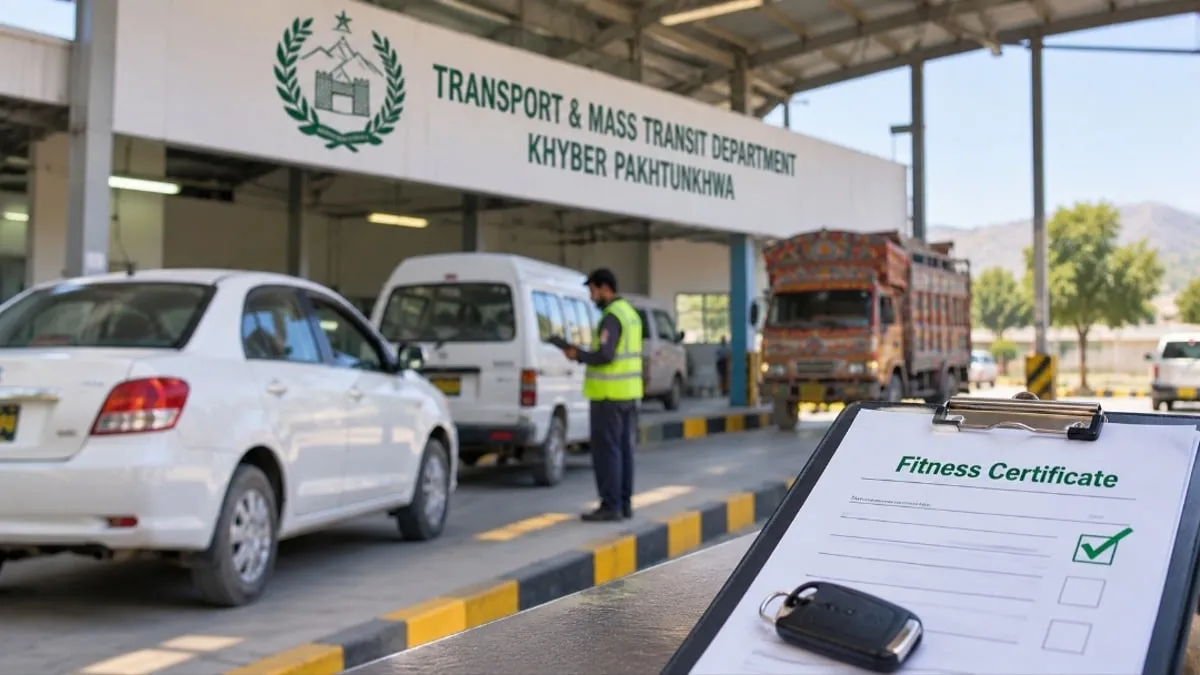
The Khyber Pakhtunkhwa Transport and Mass Transit Department has announced approved fees for obtaining and renewing vehicle fitness certificates, along with monthly penalties for delays. This comprehensive update outlines the financial requirements for various vehicle categories operating within the region. Transport authorities aim to streamline the compliance process for vehicle operators while enforcing strict adherence to safety standards.
According to the department's new fee schedule, obtaining a fitness certificate for a light transport vehicle (LTV) will cost Rs. 2,000, while its renewal fee has been set at Rs. 1,500. Light transport vehicles typically include minibuses, vans, and smaller delivery trucks that play a vital role in local commerce and passenger movement across the province. Ensuring these vehicles meet established safety criteria is essential for reducing mechanical failures on busy roads.
For heavy transport vehicles (HTVs), the fee for a new fitness certificate is Rs. 3,000, while renewal will cost Rs. 2,000. Heavy transport vehicles encompass large trucks, multi-axle carriers, and heavy buses that handle high-capacity freight and long-distance passenger travel. Because these commercial units experience intense wear and tear, regular mechanical inspections remain a cornerstone of regional traffic safety regulations.
The department has set a fee of Rs. 1,000 for new or renewed fitness certificates for motor cabs, motorcycles, and motorcycle loader rickshaws. These smaller commuter and utility vehicles form the backbone of urban transport and grassroots delivery networks. Maintaining structural and mechanical soundness for these compact units protects both drivers and the general public from preventable road mishaps.
Monthly Penalties for Late Renewal of Certificates
Vehicle owners who delay obtaining or renewing their fitness certificates will also face monthly penalties. The implementation of these fines is designed to curb chronic negligence and encourage timely compliance among transport operators. Enforcement teams monitor compliance status regularly to identify expired documentation.
The monthly fine is Rs. 300 for motor cabs, motorcycles, and motorcycle loader rickshaws. Owners of light transport vehicles will pay Rs. 400 per month, while the penalty for heavy transport vehicles is Rs. 600 per month. Accumulating these monthly fines can quickly increase financial burdens for vehicle operators, making prompt renewal the most economical choice.
Transport department officials stress that regular inspections prevent unroadworthy vehicles from operating in public spaces. Delaying these mandatory checks increases the risk of mechanical breakdowns that can cause severe traffic disruptions or fatal accidents. Financial penalties serve as a direct deterrent against procrastination in maintaining legal vehicle status.
Fees for New Vehicle Verification Processes
The department has also announced separate charges for the verification of new vehicles through a Motor Vehicle Examiner. This verification step confirms that newly acquired transport units comply with regional engineering and safety benchmarks before receiving formal registration and clearance for public use.
The verification fee is Rs. 2,000 for motor cabs, motorcycles, and motorcycle loader rickshaws. Owners of light transport vehicles will pay Rs. 3,500, while the fee for heavy transport vehicles has been set at Rs. 6,000. These specialized examinations are conducted by designated mechanical experts appointed by the transport administration.
The department has urged vehicle owners to obtain their fitness certificates on time or renew existing ones to avoid penalties and help ensure safer travel on roads. Compliance with these protocols supports broader government efforts to maintain infrastructure integrity and reduce vehicular emissions across Khyber Pakhtunkhwa. Operators are advised to visit designated transport offices to complete their verification and certification procedures without delay.
Understanding Vehicle Fitness and Road Safety Standards
Vehicle fitness certification is a regulatory requirement designed to verify that automobiles meet environmental and mechanical safety thresholds. Inspectors check braking systems, steering mechanisms, tire conditions, and exhaust outputs during the evaluation process. Vehicles failing to meet these baseline standards are denied certification until necessary repairs are completed by the owner.
Commercial operators must schedule inspections regularly to keep their fleets operational. Public transport companies and freight carriers bear a higher responsibility because their vehicles carry passengers and heavy loads over extended distances. Routine testing helps identify worn-out components before catastrophic failures happen on highways or city streets.
Administrative bodies supervise these testing procedures to maintain transparency and consistency across all districts. Transport officials maintain records of all certified vehicles to track compliance trends and enforce accountability. Operators caught running vehicles with expired certificates face compounding fines and potential impoundment under existing provincial motor vehicle ordinances.
Impact of New Charges on Commercial Operators and Citizens
The structured fee adjustment directly impacts commercial transport operators, delivery services, and private vehicle owners throughout Khyber Pakhtunkhwa. Fleet owners must incorporate these updated costs into their operational budgets to maintain legal compliance. Small business owners relying on motorcycle loader rickshaws or motor cabs face modest certificate fees, keeping basic compliance accessible for lower-income earners.
Consumers also experience indirect effects as transport costs adjust to reflect regulatory overhead. However, safer roads and well-maintained commercial vehicles benefit the entire community by lowering accident rates and reducing traffic congestion caused by breakdowns. The government continues to monitor transport sector feedback as these fee schedules take full effect across the province.





