Lahore High Court Demands Government Responses on Vehicle Safety
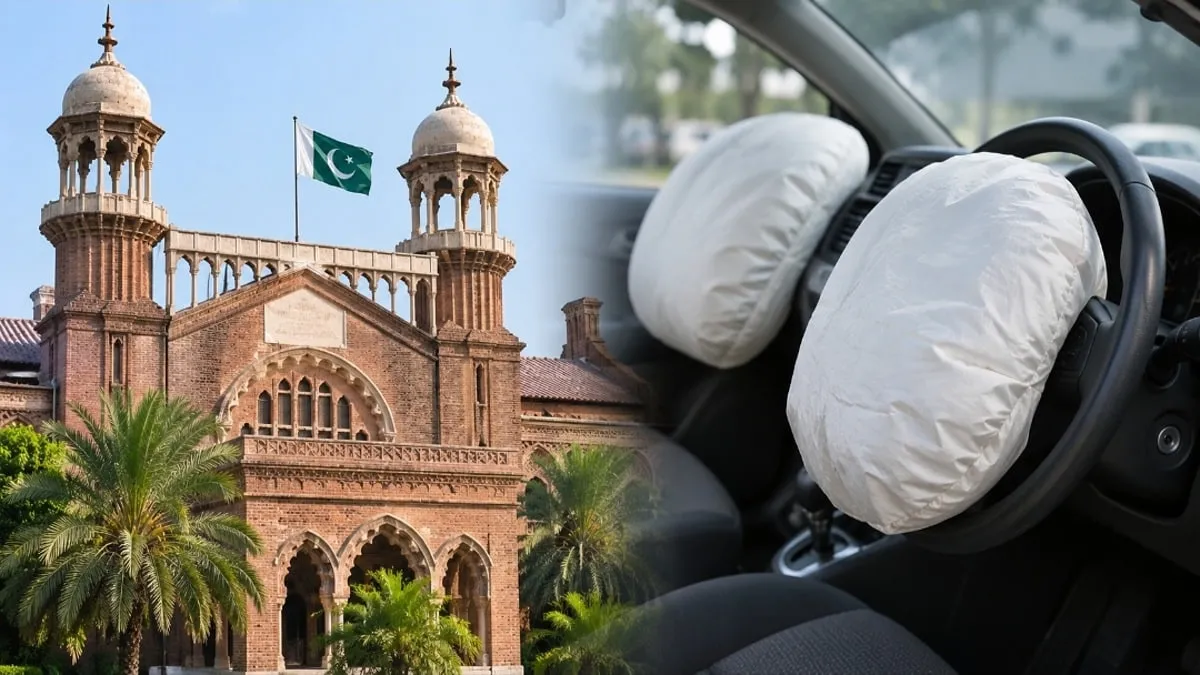
The Lahore High Court has sought formal responses from both the federal and Punjab provincial governments concerning a public interest petition that demands mandatory safety features in small cars sold across Pakistan. Justice Ajmal Zahid presided over the proceedings, which stem from a legal challenge originally filed by a non-governmental organization back in 2019. The petition targets local car manufacturers, accusing them of selling vehicles that lack essential safety equipment, most notably functional airbags.
During a recent court session, the petitioner's legal representation pressed the bench to address what they described as a persistent disregard for consumer protection and passenger safety. The case highlights long-standing concerns regarding the structural integrity and protective equipment of domestically manufactured automobiles. As the judiciary steps in to review these allegations, both government bodies and industrial stakeholders face renewed pressure to account for vehicle safety standards in the country.
Origins of the Public Interest Petition on Car Safety
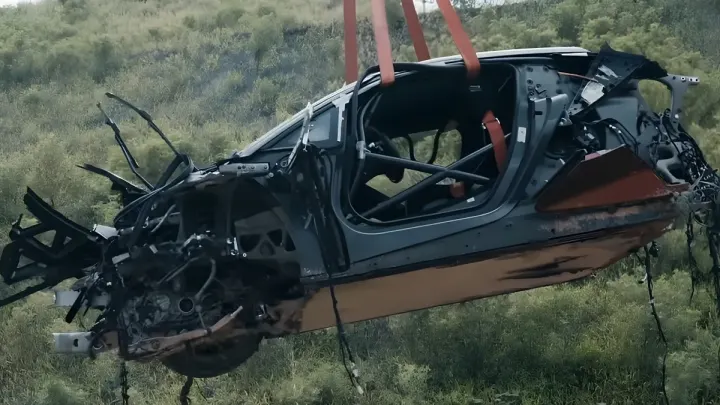
The legal action has a tragic background, following the death of the son of former federal minister Qamar Zaman Kaira in a severe road accident. According to court filings, the airbags in the vehicle involved in that specific crash failed to deploy upon impact. The petition asserts that this malfunction is not an isolated incident, claiming that similar mechanical failures have caused numerous other fatalities on roads across Pakistan.
Public interest litigation of this nature often serves as a primary vehicle for civic groups and affected families to seek systemic reform when regulatory enforcement falls short. In this instance, the nongovernmental organization took the step of turning to the judiciary to challenge practices within the domestic automotive sector. The case draws attention to the reliance of motorists on built-in protective systems that may not meet modern international safety benchmarks.
Arguments Presented by Petitioner Counsel in Court
During Tuesday hearing, petitioner counsel Advocate Safdar Shaheen Pirzada presented detailed arguments before Justice Ajmal Zahid. He stated that the majority of passenger cars manufactured and marketed within Pakistan lack vital safety equipment, explicitly highlighting the absence of airbags and rear seat belts in many standard models. These omissions, according to the legal team, leave drivers and passengers exposed to severe injury during collisions.
Furthermore, the lawyer informed the court that the designated respondents had failed to submit their official replies despite receiving court notices over the past seven years. This prolonged delay in responding to judicial inquiries prompted the legal team to press for stricter accountability. The court was asked to direct the respondents to compile and present detailed records of accidents involving defective or missing safety equipment, alongside demands for financial compensation for victims families.
Demands for Retrofitting and Manufacturer Liability
The petition goes beyond requesting future regulatory changes and seeks direct remedial action from the automotive industry. Advocate Safdar Shaheen Pirzada urged the court to order the country two major car manufacturers to install essential safety features in their existing vehicles at their own expense. Such an order would place the financial and logistical burden of upgrading older or unequipped models squarely on the producers rather than the consumers.
Manufacturer liability in the automotive sector typically involves adhering to government-mandated engineering codes and consumer protection laws. By demanding retrofits at company expense, the petition challenges the traditional manufacturing practices of local assembly plants. Industry analysts note that implementing mandatory safety upgrades across standard production lines requires significant coordination between regulatory bodies and assembly firms.
Respondents Named in the Lahore High Court Case
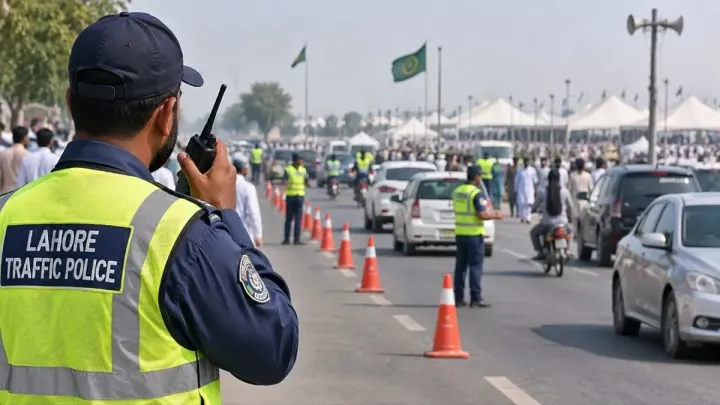
The legal challenge involves multiple institutional respondents tasked with regulatory oversight, law enforcement, and manufacturing compliance within the state apparatus. The list of respondents includes the federal government acting through the Engineering Development Board, alongside the Punjab government and the provincial transport secretary. Additionally, the inspector general of police and two major car manufacturers are named as respondents in the proceedings.
The involvement of the Engineering Development Board is particularly relevant, as the institution functions under the Ministry of Industries and Production to formulate industrial policy and oversee engineering sectors, including automotive manufacturing. The provincial transport secretary and the inspector general of police hold administrative and enforcement responsibilities regarding vehicle registration, fitness certificates, and road safety regulations within Punjab.
Next Steps and Judicial Proceedings
Following the arguments presented during the session, the court decided to adjourn the hearing for a period of two weeks. Justice Ajmal Zahid directed responsible officers representing the various respondents to appear at the next date with their long-awaited reports. These reports are expected to provide the official stance of the government agencies and manufacturing firms regarding the safety standards of small cars.
Observers of the legal process will be watching to see whether the respondents finally submit comprehensive documentation regarding vehicle standards and accident data. The outcome of these hearings could influence future policy directions concerning consumer safety regulations in the domestic automotive market. Compliance with the court directives remains mandatory for all named government departments and corporate entities.