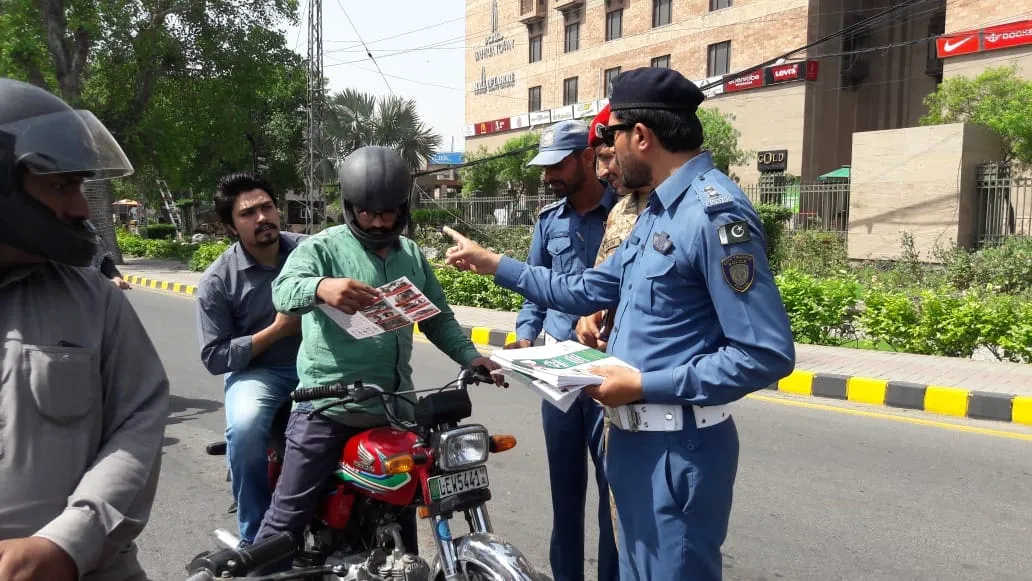
Traffic police in Sherakot stopped a motorcyclist who owed Rs262,200 in unpaid e-challans after committing 141 traffic violations, officials said.
The rider was apprehended by Traffic Inspector Nasir Khan during a routine patrol, and the fine total reflects 122 instances of riding without a helmet and 19 instances of running red lights.
What Led to the Fine?
Police records show the motorcyclist repeatedly ignored mandatory safety rules. Each violation generated an electronic challan that was never paid, causing the amount to accumulate.
Under Lahore's e-challan system, a fine is automatically issued when a camera or an officer records an offence. The system links the vehicle's registration number to a digital ledger that tracks unpaid penalties.
How Does the E-Challan System Work in Lahore?
The e-challan platform was introduced in 2020 to replace paper tickets. When a violation is detected, the system creates a digital notice that is sent to the registered owner via SMS and email. The owner can pay the fine online through the traffic department's portal or at designated payment centers.
If a fine remains unpaid for 30 days, a late fee is added and the amount becomes part of the owner's outstanding balance. Persistent non-payment can lead to vehicle seizure, registration suspension, or court action.
Why Are Helmet Violations So Common?
Helmet use is mandatory for all motorcyclists in Pakistan under the Motor Vehicles Ordinance of 1965. Despite this law, enforcement has historically been uneven, especially in densely populated areas where traffic moves quickly.
Studies by the Pakistan Institute of Development Economics show that helmet non-use contributes to over 60% of fatal injuries in motorcycle crashes. The government's recent push to increase compliance includes higher fines, public awareness campaigns, and the deployment of automated number plate recognition (ANPR) cameras.
What Role Do ANPR Cameras Play?
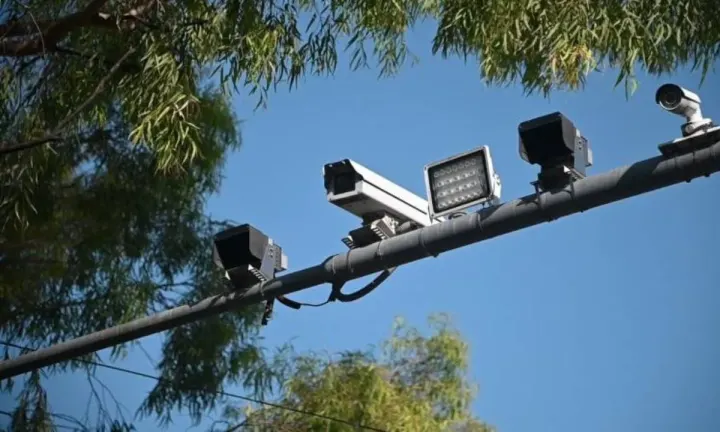
Chief Traffic Officer Syed Abdul Rahim Shirazi explained that ANPR cameras now monitor more than 20 categories of traffic violations across Lahore. The cameras capture license plates and cross-reference them with a database of offences.
When a violation is detected, the system instantly generates an e-challan. The technology helps police identify repeat offenders like the rider in Sherakot without needing a manual stop.
Impact on Government Vehicles
Shirazi also noted that notices have been sent to several government departments to settle pending fines on official vehicles. This move signals that the traffic authority is applying the same standards to all road users, regardless of rank or agency.
Clearing these dues is expected to improve public perception of road-safety enforcement and reduce the backlog of unpaid fines that strain the department's resources.
What Does This Mean for Ordinary Drivers?
For everyday commuters, the case underscores the growing seriousness with which Lahore's traffic police are treating e-challan defaulters. Drivers who ignore fines risk accumulating large debts that can lead to vehicle immobilisation.
The police have warned that similar enforcement actions will continue across the city, especially in high-traffic zones where ANPR cameras are installed.
What Are the Next Steps?
Police will continue routine patrols and use ANPR data to target repeat offenders. The traffic department plans to expand camera coverage to additional intersections by the end of the fiscal year.
Motorists are advised to check their e-challan status regularly through the official portal and settle any dues promptly to avoid escalation.