Mansehra-Naran-Jalkhad Road Closure Details
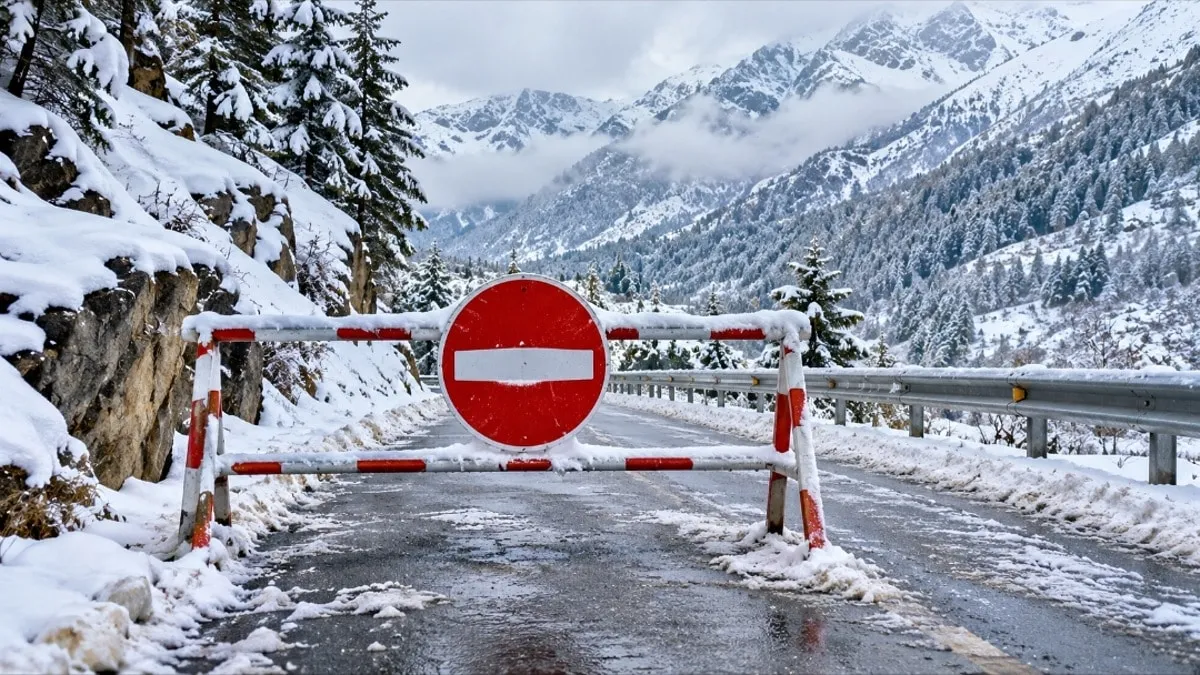
The district administration has officially closed the Mansehra-Naran-Jalkhad road to all traffic until next summer due to heavy snowfall and dangerous driving conditions. This vital mountain route serves as a major connector between Khyber Pakhtunkhwa and Gilgit-Baltistan by passing through Babusar Top. Freezing temperatures and continuous winter weather patterns in the region prompted local authorities to take immediate action to protect travelers from severe hazards.
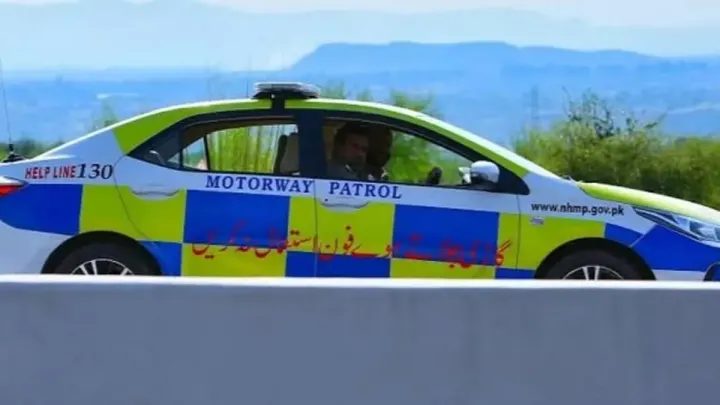
District Police Officer Mohammad Waqas Khan said recent snowfall had left the road icy and unsafe, increasing the risk of accidents. Authorities have barred motorists and passenger coaches from travelling beyond Naran in Kaghan Valley. The harsh winter climate in this mountainous terrain makes routine travel treacherous, necessitating complete seasonal shutdowns to prevent casualties and vehicles from becoming stranded in remote passes.
Understanding the Geography of the MNJ Road
The Mansehra-Naran-Jalkhad route, widely known as the MNJ road, winds through some of the highest and most rugged terrain in Pakistan. Connecting the Khyber Pakhtunkhwa province with Gilgit-Baltistan, the highway reaches towering elevations, most notably at Babusar Top. Because of these extreme heights, the route experiences severe winters every year, characterized by heavy accumulation of snow, freezing winds, and blocked mountain passes.
During the warmer months, the highway acts as a bustling corridor for tourists, trade, and local residents moving between provinces. However, when winter arrives, the drop in temperature transforms the scenic pass into an impassable barrier of ice and snowdrifts. Local administration and disaster management agencies monitor weather patterns closely every autumn to determine the exact timing for closing the corridor before motorists face life-threatening situations.
Police Posts Relocate as Weather Intensifies
With the route officially shut down for the winter season, law enforcement agencies have adjusted their operational footprint across the valley. Police have also closed posts at Bassal, Barawai, Battakundi, Jalkhad and Gattidas, recalling personnel to police lines. Police posts and Kaghan Police Station will shift to their winter locations as snowfall intensifies.
These temporary closures ensure that officers are not left stranded in isolated mountain outposts during severe blizzards when rescue operations become nearly impossible. Law enforcement personnel maintain a presence in lower valley positions to enforce travel bans, monitor conditions, and assist residents who remain in lower elevations throughout the cold months.
Saiful Muluk Lake and National Park Restrictions
In addition to the main highway closure, local restrictions extend to popular tourist destinations branching off the primary route. Meanwhile, the road from Naran to Saiful Muluk Lake remains closed. Authorities have prohibited visitors, local residents and four-wheel-drive vehicles from entering the national park due to hazardous road conditions.
Saiful Muluk Lake sits at a high altitude surrounded by towering peaks, making it exceptionally vulnerable to heavy snow and avalanches during winter. Even specialized four-wheel-drive vehicles cannot safely navigate the track once snow covers the steep inclines and ice seals the path. The ban protects both tourists and local property from the severe risks posed by sudden weather shifts in the national park.
Official Rationale and Local Business Activity
Government officials emphasize that public safety remains the primary driver behind these stringent seasonal limitations. Assistant Commissioner Aftab Ahmad Awan said the restrictions were necessary to prevent accidents on the icy route. Mountain roads turn into sheets of black ice during sub-zero nights, making vehicle control nearly impossible without specialized heavy snow-clearing equipment.
Despite the closure of the main highway and surrounding tourist spots, some economic activity persists in specific pockets of the valley. Some hotels and restaurants in Naran continue to serve visitors arriving to experience the snowfall. However, severe cold has gripped the valley following fresh snowfall earlier this month, limiting the number of travelers willing to brave the harsh winter environment.
Impact on Local Residents and Seasonal Migration
The closure of the high mountain corridor significantly alters the daily lives of families living in the upper reaches of the Kaghan Valley. Meanwhile, residents of Barawai, Battakundi and other upper areas have largely moved to their summer settlements in lower Mansehra and other parts of Hazara Division. This annual migration allows mountain communities to escape the brutal winters that make high-altitude living extremely difficult.
Families typically secure their homes and move their livestock and belongings down the mountain before the heavy snows block all exits. They are expected to return when the MNJ road reopens in early or mid-May next year. Until then, these mountain villages remain largely deserted while crews wait for spring sunshine to clear the massive snowpacks blocking the highway.