Lahore Safe City Cameras Mistake Pedestrian for Vehicle
A Rs5,000 challan for a one-way violation was sent to a motorist in Lahore after Safe City cameras wrongly identified a woman walking on the road as a vehicle, in what is being attributed to a technical fault. The erroneous ticket highlights the ongoing reliance on automated systems for municipal regulation, alongside the occasional misfires that require human intervention to untangle.
The challan was issued against the number plate of a car belonging to Dr. Waqas, which was passing the spot at the time. The cameras recorded the woman on foot as a vehicle violating one-way traffic rules and linked the offence to his registration number. Motorists depend on the accuracy of these automated lenses, making such mix-ups a notable inconvenience for vehicle owners who must seek corrections.
The incident occurred at the Central Flats signal in Faisal Town. Officials said the challan was generated due to a system error. They said it was subsequently corrected, restoring the record for Dr. Waqas.
Understanding the Lahore Safe City Project and ANPR Technology
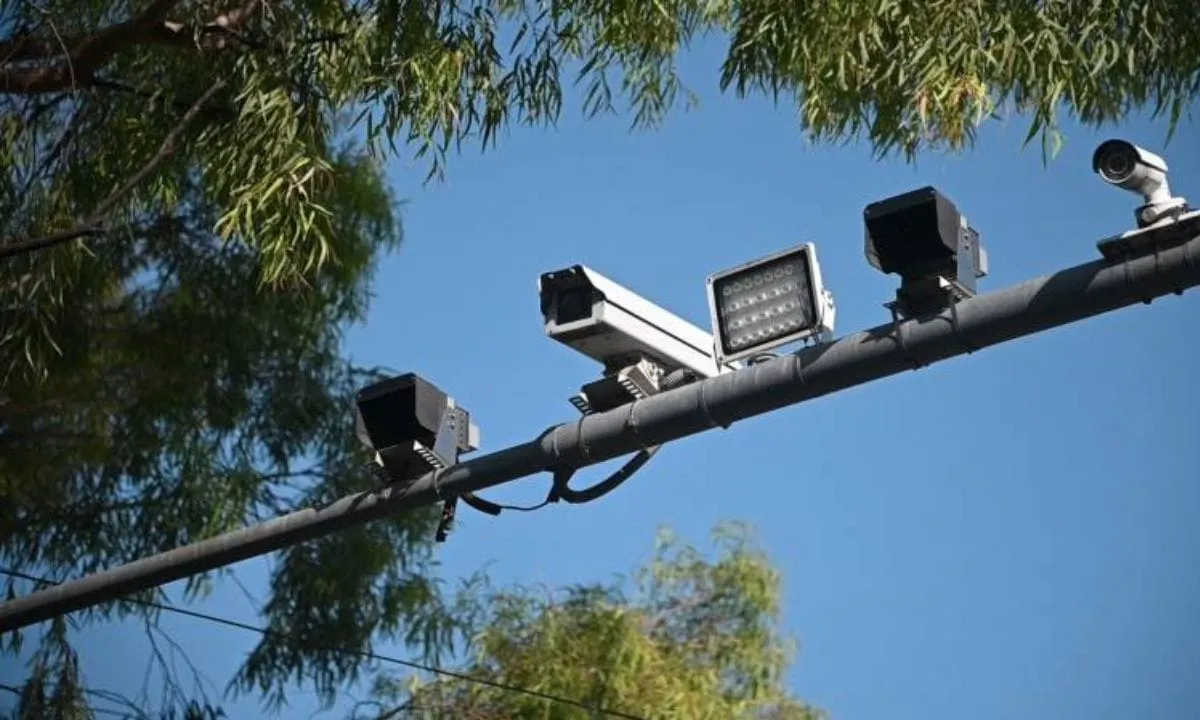
The Safe City initiative in Lahore relies heavily on technological infrastructure, including thousands of closed-circuit television cameras and automated systems designed to monitor public spaces and roadways. Automated number plate recognition cameras form the backbone of traffic enforcement in the urban center, capturing images of vehicles and reading license plates to catch infractions without requiring a physical officer to stop every car.
These systems are programmed to scan for multiple categories of infractions, aiming to reduce manual policing workloads and improve compliance among drivers. Officials stated that automated number plate recognition cameras were monitoring more than 20 categories of traffic violations in Lahore. Despite the sophistication of these setups, sensor anomalies, lighting challenges, and obstructed views can occasionally produce false positives, such as the misidentification of a pedestrian.
When a camera captures a suspected violation, algorithms process the image and cross-reference the license plate with registration databases maintained by excise and taxation authorities. Notices are then dispatched to the registered owner of the vehicle. While efficient for handling high volumes of traffic infractions, the automated pipeline leaves a margin for error when unusual movements or objects cross the field of view.
Recent Enforcement Actions Against E-Challan Defaulters in Lahore
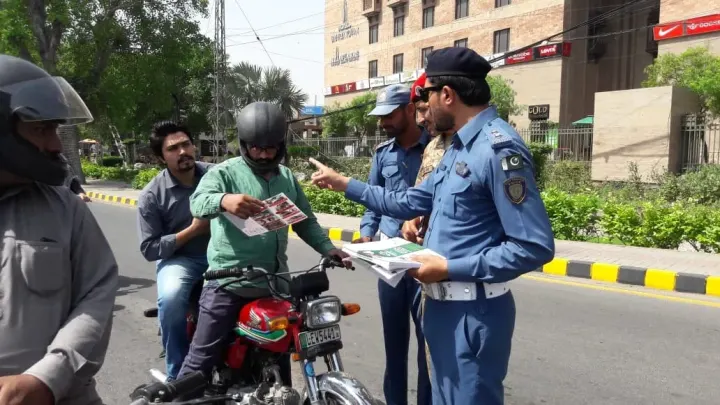
In another incident, traffic police in Sherakot apprehended a motorcyclist with Rs262,200 in unpaid e-challans for repeated traffic violations. Traffic Inspector Nasir Khan stopped the rider during a routine enforcement operation in the area. This stop demonstrates the parallel track of field enforcement, where officers intercept chronic offenders who have accumulated large balances of unpaid fines.
Official records showed that the motorcyclist had committed 141 violations, including 122 instances of riding without a helmet and 19 instances of jumping traffic signals. Accumulating this volume of penalties points to a reliance on automated detection that went unchecked until a physical patrol unit intervened on the road.
Chief Traffic Officer Syed Abdul Rahim Shirazi said action against e-challan defaulters would continue to enforce road discipline across the city. Authorities have been scaling up efforts to track down individuals and entities ignoring digital notices, using checkpoints and mobile squad units to secure compliance.
Broader Impact on Citizens and Government Fleets
The rollout of automated fines affects everyday commuters, commercial drivers, and public sector operators alike. When errors happen, citizens must navigate administrative channels to clear their names, while persistent violators face financial penalties that can accumulate rapidly over months of non-compliance. The system touches nearly every vehicle owner navigating the major thoroughfares of Lahore.
Beyond private citizens, the enforcement net extends to public institutions. Notices have also been issued to government departments to clear pending fines on official vehicles. This step ensures that state-owned transport is not exempt from the rules governing public safety and financial accountability on the roads.
For ordinary motorists, receiving an incorrect fine requires monitoring digital portals and reporting discrepancies to the relevant authorities. While the platform allows for corrections, as seen in the Faisal Town case, the administrative burden falls on the vehicle owner to prove the automated sensor made a mistake.
What Comes Next for Lahore Traffic Management
Traffic authorities plan to maintain their strict stance on road discipline while refining the technology behind the scenes. As automated monitoring covers more categories of infractions, technicians work to calibrate sensors and reduce the frequency of misread plates or mistaken pedestrian classifications.
Citizens can expect continued roadside checks for chronic defaulters and digital dispatches for fresh violations. Motorists are advised to check their e-challan status regularly through official channels to catch any erroneous entries early and resolve them through the designated grievance redressal mechanisms established by the traffic police.