Lahore Traffic Police Target Private Housing Societies
Lahore Traffic Police has directed the administrations of 25 private housing societies to improve traffic management, road safety and security arrangements within their respective areas. This official directive comes as urban centers across Pakistan experience rapid growth in gated residential communities, bringing unique governance and public safety challenges to local authorities. The move places direct accountability on private developers and administrators to manage internal infrastructure effectively.
Chief Traffic Officer Lahore Syed Abdul Raheem Shirazi has sent official letters to the management of these housing societies, instructing them to ensure effective arrangements across internal roads, shared spaces and entry and exit points. These communications outline specific expectations for internal traffic flow, requiring administrators to address congestion points and secure perimeter access. The enforcement of these rules falls under broader municipal safety frameworks designed to protect citizens.
Under the directive, housing society administrations must properly manage roads and common areas under their control and take steps to improve traffic safety within their premises. Private communities often operate with relative autonomy regarding internal movement, but public safety mandates grant traffic authorities the oversight needed to enforce standards. Administrators must review current signage, road markings, and speed control measures to comply with the new instructions.
Why Road Safety Matters in Lahore Housing Communities
The initiative aims to protect the lives and property of residents and visitors, ensure the safety of pedestrians and establish a safer traffic environment in private residential communities, Shirazi said. Rapid suburban expansion has led to heavy traffic volumes inside gated developments, where children and elderly residents frequently share roadways with commercial delivery vehicles and private automobiles. Establishing order within these high-density pockets prevents avoidable accidents and reduces property damage.
The traffic police chief emphasized the responsibility of housing society administrations to maintain effective traffic management and road safety arrangements across their respective areas. While municipal bodies oversee public thoroughfares, internal networks inside private colonies typically fall into a regulatory grey area unless specific directives are issued. This intervention establishes clear operational duties for management committees tasked with maintaining community infrastructure.
The directive covers 25 private housing societies in Lahore and seeks to improve safety for motorists and pedestrians using roads and shared spaces within these communities. Pedestrian vulnerability remains a primary concern inside residential areas, where walking paths are sometimes obstructed by parked vehicles or unmanaged construction materials. Improved lighting, designated crossings, and strict speed enforcement form the backbone of the required safety upgrades.
Background on Traffic Management in Lahore
Lahore has witnessed unprecedented real estate development over recent decades, transforming agricultural peripheries into sprawling residential enclaves. Private housing schemes have multiplied to accommodate a rising urban population seeking secure environments and managed amenities. However, internal road networks within these developments often expand faster than safety protocols can adapt, creating bottlenecks and hazardous driving conditions.
Traffic authorities historically concentrated their enforcement efforts on major public arteries and commercial districts. As residential populations inside gated communities swell, the volume of internal vehicle movement rivals that of public streets. This shift has prompted traffic police to expand their oversight into private developments, ensuring that community growth does not compromise basic safety standards.
Regulatory bodies in Punjab frequently coordinate with urban developers to align private infrastructure with public safety codes. Housing societies operate under licenses from development authorities, which stipulate compliance with municipal laws. Traffic management directives reinforce these legal obligations, linking proper road upkeep and security measures with the continued operation of the residential communities.
Practical Steps for Housing Society Administrations
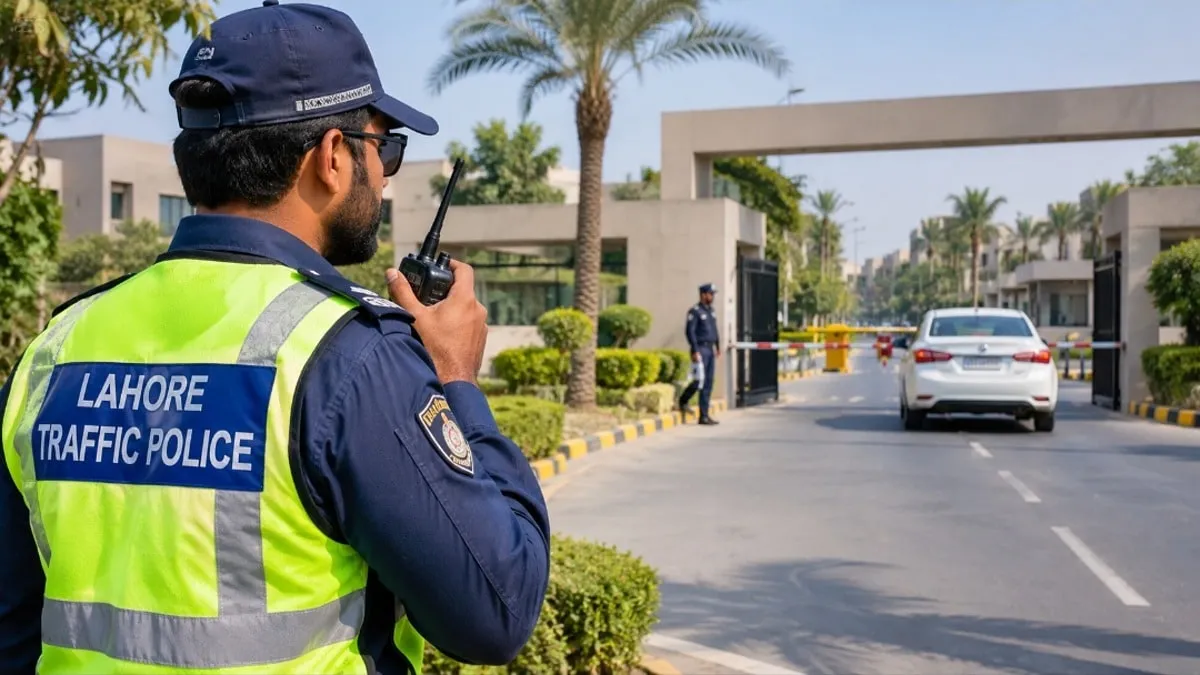
Administrators receiving the official letters from the Chief Traffic Officer must immediately evaluate their current security and traffic infrastructure. Key areas requiring attention include entry gates, where unverified vehicles can cause congestion and security risks. Proper staffing and automated boom barriers help regulate the flow of visitors while maintaining clear pathways for emergency vehicles.
Internal road maintenance constitutes another critical requirement under the directive. Management committees must repair damaged asphalt, install clear speed breakers, and paint visible pedestrian crossings near parks and commercial zones. Unregulated parking along narrow streets restricts two-way traffic and poses significant hazards for pedestrians navigating the neighborhood.
Compliance also involves deploying trained security and traffic personnel to manage peak hour congestion, such as morning school departures and evening returns. Private guards often lack formal traffic control training, making coordination with traffic police guidance essential. Establishing structured protocols for internal traffic management ensures a safer environment for all inhabitants.
Impact on Residents and Visitors
Residents of the 25 targeted housing societies will experience direct changes in how internal traffic is regulated. Commuters can expect stricter enforcement of speed limits, better management of delivery trucks, and clearer access controls at gates. These adjustments reduce the risk of collisions and create a more orderly living environment for families.
Visitors entering these communities will also notice more rigorous security and parking protocols. Delivery personnel and guests must adhere to designated routes and parking spaces, preventing the random roadside parking that frequently blocks residential driveways. These measures protect the overall value and liveability of the housing developments.
Pedestrians stand to gain the most from the renewed focus on shared spaces. Children playing near parks and residents taking evening walks benefit from reduced vehicle speeds and enhanced visibility along internal roads. By holding management accountable, the initiative fosters safer communities across Lahore.