Khyber Pakhtunkhwa Transport Department Starts Province-Wide Enforcement
The Khyber Pakhtunkhwa Transport Department has launched a province-wide crackdown on public service vehicles fitted with music systems, loudspeakers, amplifiers and other noise-producing equipment. This enforcement effort targets commuter buses, vans and other public transport options operating across different districts in the region. Authorities want to curb excessive noise pollution inside passenger cabins and enforce long-standing transit regulations.
In a directive issued on November 20, 2026, the Directorate of Transport instructed all divisional, senior and district motor vehicle examiners to take action against vehicles operating with such equipment. Motor vehicle examiners hold the legal authority to inspect transport vehicles, check route permits and ensure compliance with safety and environmental standards. The latest order mandates these officials to conduct thorough checks on active routes.
Legal Basis Under Motor Vehicle Rules 1969
The department said the use of these devices is prohibited under the Motor Vehicle Rules, 1969. These established rules govern traffic safety, vehicle modifications and passenger conduct within the territory. Lawmakers originally drafted these provisions to maintain public order and prevent unnecessary distractions for drivers navigating busy roads.
Rule 107 bars drivers, conductors and ticket sellers from using loudspeakers, horns, bells, whistles, bugles or other noise-producing devices to attract passengers. Transport operators often used these auditory devices at bustling stands to draw attention from potential riders. This practice created significant auditory clutter in urban centers and near transit hubs.
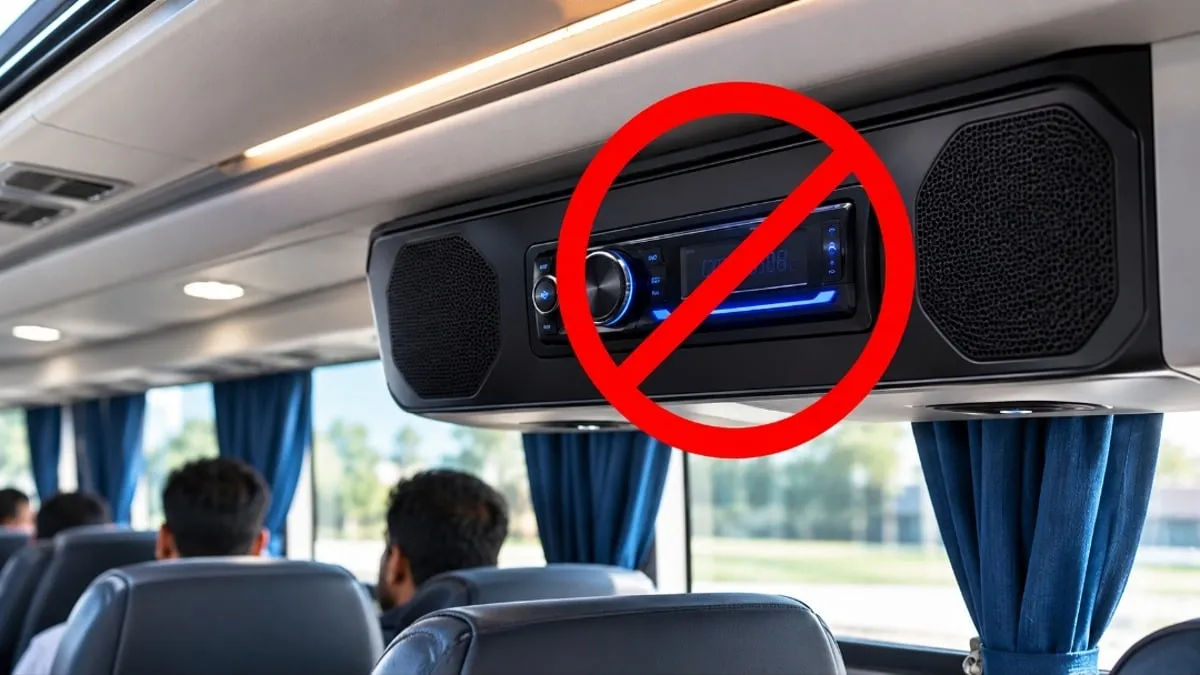
Rule 154(5) also prohibits installing equipment to play music for passengers in transport vehicles. Passenger comfort regulations dictate that commercial carriers must maintain a quiet and orderly atmosphere. The campaign will be conducted in coordination with traffic police squads. Officials will inspect vehicles and remove illegally installed music systems.
How Inspectors Handle Factory-Fitted Audio Systems
Equipment fitted by manufacturers that cannot be removed will be sealed with official tape to prevent its use. Many modern commercial vehicles arrive from factories with integrated entertainment consoles built into the dashboard. Transport officials recognize that completely tearing out these built-in units might damage the vehicle infrastructure, so sealing them offers a practical alternative.
Vehicle owners and drivers will be instructed not to break or tamper with the seals or reinstall such equipment. Tampering with official seals carries severe administrative consequences under local transit laws. Inspectors plan to document sealed units during routine checks to ensure operators maintain compliance over time.
Role of Regional Transport Authorities and Bus Terminals
Regional Transport Authorities will coordinate with district transport offices to carry out the campaign and display public notices at bus terminals across the province. These notices inform operators, drivers and passengers about the active prohibitions and the ongoing enforcement drive. Major terminals serve as primary hubs where thousands of travelers board vehicles daily.
Displaying clear warnings helps prevent misunderstandings between transport operators and inspecting officers. Terminal managers must cooperate with transport inspectors to facilitate on-site checks before vehicles depart for their designated routes. This collaborative approach ensures that non-compliant vehicles get intercepted before entering public highways.
Objectives of the Passenger Noise Reduction Initiative
The department said the initiative aims to provide passengers with a peaceful, comfortable and hassle-free travel environment. Many commuters frequently complain about loud, unsolicited music played inside commercial vans and buses during long journeys. Reducing cabin noise contributes to a safer trip by allowing drivers to concentrate fully on traffic conditions without auditory distractions.
Transport planners point out that excessive noise levels inside enclosed cabins elevate stress for passengers and drivers alike. By enforcing existing legal frameworks, provincial authorities hope to elevate the overall quality of public transit services. Commuters can now expect quieter journeys across urban and rural routes as inspectors continue their daily checks.