Khyber Pakhtunkhwa Introduces Electric Bus Service Across 14 Cities
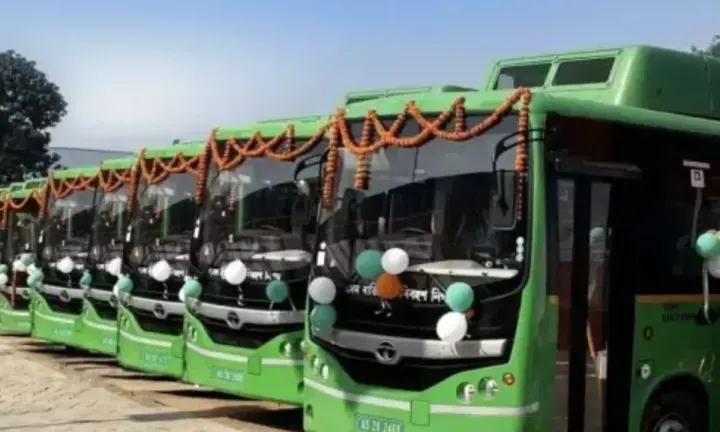
The Khyber Pakhtunkhwa government has started preparations to introduce electric bus services in 14 major cities, with six urban centers selected for the initial phase. This major infrastructure development represents a shift toward modernizing public transit networks across the region, focusing on sustainability and efficiency. Officials across various departments are currently coordinating the foundational steps to turn this policy into operational reality for commuters.
Peshawar, Abbottabad, Mardan, Nowshera, Swat and Kohat have been shortlisted for the first rollout, according to official sources. Relevant authorities have been asked to prepare feasibility reports covering the project's financial, technical and operational requirements before moving forward. These reports will determine the exact resource allocation, charging infrastructure needs, and fleet sizes required for each of the six initial locations.
Environmental Benefits of Electric Public Transport
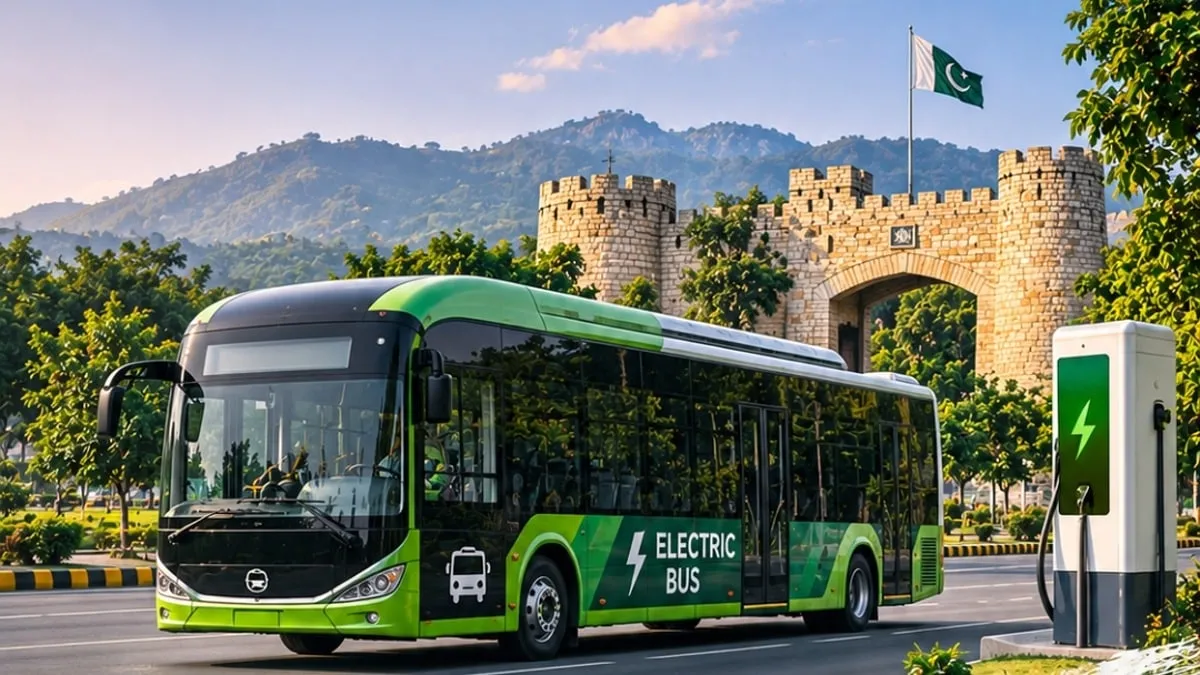
The proposed service aims to provide modern and environmentally friendly public transport while reducing air pollution and dependence on conventional fuel-powered vehicles. Urban centers in Khyber Pakhtunkhwa face growing challenges related to vehicular emissions and traffic congestion. Transitioning to electric mobility helps lower greenhouse gas emissions and improves urban air quality for residents.
Public transport powered by electricity also reduces the regional reliance on imported fossil fuels, stabilizing operating costs against international oil price fluctuations. Modern electric buses offer a quieter ride and advanced passenger amenities compared to older diesel fleets. This upgrade aligns with broader national and regional environmental targets to curb carbon footprints in densely populated areas.
Phased Rollout Plan for 14 Urban Centers
Under the second phase, the government plans to extend the service to eight more cities, bringing the total to 14. This phased approach allows transportation planners to monitor the performance of the initial launch in Peshawar, Abbottabad, Mardan, Nowshera, Swat and Kohat. Lessons learned from the first rollout will guide the deployment and infrastructure setup in the subsequent eight cities.
While specific timelines for the second phase depend on the completion of initial feasibility studies, the overarching framework covers 14 urban areas across the province. Local administrations in the targeted districts are coordinating with provincial authorities to identify suitable depot locations and power grid requirements. Such planning ensures that the electrical grid can handle the charging load of large electric bus fleets without disrupting local power supplies.
Expanding the Peshawar Bus Rapid Transit System
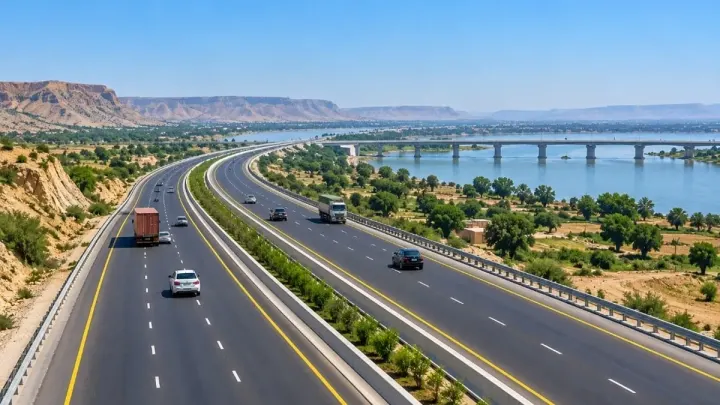
Meanwhile, authorities have prepared a report on the estimated cost of extending the Bus Rapid Transit (BRT) service from Peshawar to Nowshera. The Peshawar BRT has served as a central pillar of urban transit in the provincial capital since its launch, moving large numbers of daily commuters. Extending this high-capacity corridor to Nowshera connects neighboring economic zones and residential areas with a reliable mass transit link.
Officials have also been directed to expand BRT coverage to more areas of Peshawar and introduce additional routes to improve public transport facilities. These feeder routes and line extensions connect suburban neighborhoods directly to the main transit corridor. By expanding the physical reach of the transit network, the government intends to reduce private car and motorcycle usage, easing traffic bottlenecks on major urban arteries.
Technical and Financial Requirements for Municipal Transport
The success of the electric bus initiative relies heavily on the detailed feasibility reports requested by provincial authorities. These assessments evaluate capital expenditure for purchasing vehicles and building charging stations alongside ongoing operational expenses. Technical evaluations review road conditions, passenger volume projections, and maintenance logistics required to keep electric fleets running efficiently.
Financial planning involves assessing potential funding mechanisms, public-private partnerships, and operational subsidies required during the initial years of service. Authorities must ensure that ticket pricing remains affordable for everyday commuters while covering maintenance and energy costs. The outcome of these feasibility studies will dictate the procurement schedules and construction timelines for the charging depots.
Impact on Daily Commuters and Local Economy
Reliable and clean public transport directly affects the daily lives of citizens residing in Peshawar, Abbottabad, Mardan, Nowshera, Swat and Kohat. Workers, students, and shoppers gain access to dependable travel schedules that reduce daily commuting stress and lower individual transport expenses. Improved connectivity between cities like Peshawar and Nowshera stimulates regional commerce by easing the movement of labor and consumers.
Local businesses near transit stations typically experience increased foot traffic and economic activity. Furthermore, transitioning municipal fleets creates specialized technical jobs related to electric vehicle maintenance, charging infrastructure management, and transit system operations. This initiative builds local expertise in green technology sectors within Khyber Pakhtunkhwa.