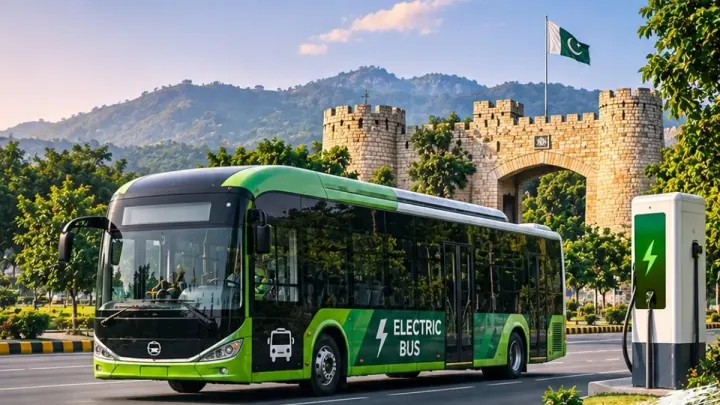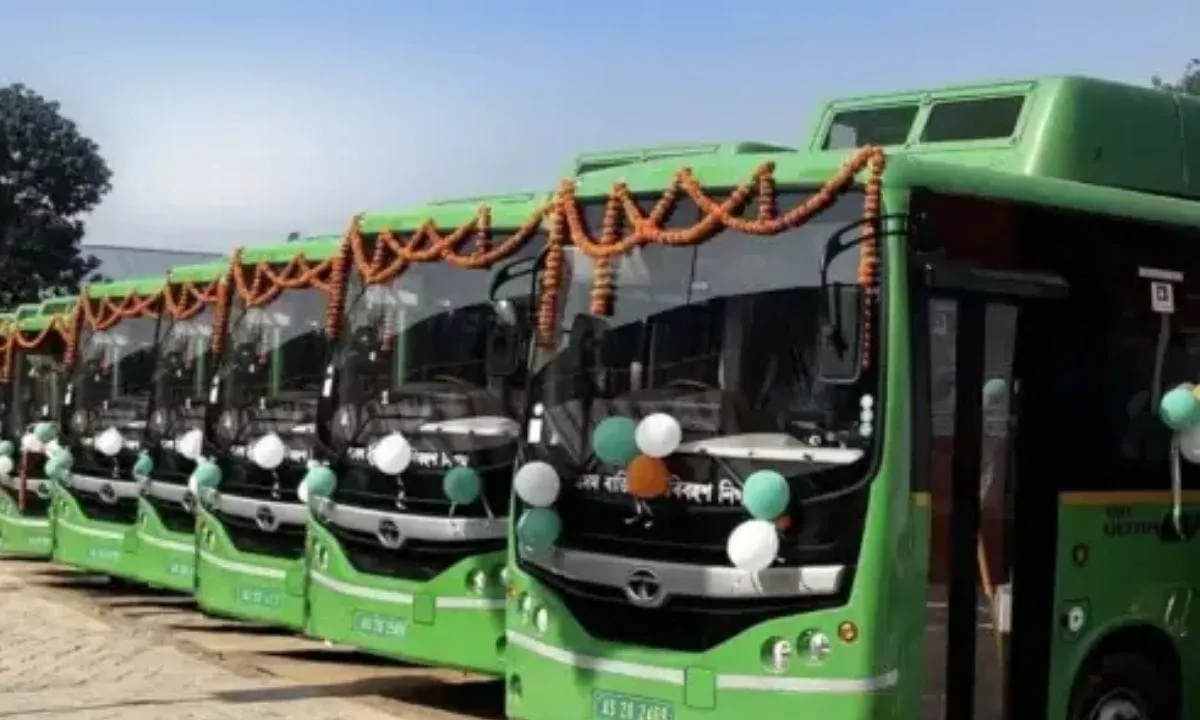
The Sindh Cabinet has approved a Rs37.97 billion government-to-government agreement for the supply, construction, operation and maintenance of 500 electric buses in Karachi.
What the Agreement Covers
The contract is between the Sindh Mass Transit Authority (SMTA) and Heavy Industries Taxila (HIT). Senior Minister Sharjeel Memon, who also holds the information and transport portfolios, announced the decision at a press briefing on Thursday.
The fleet will consist of 300 twelve-metre buses and 200 smaller buses. In addition to the vehicles, the project provides for 125 charging units, three depots, 499 bus shelters, an Intelligent Transport System (ITS) and automated fare collection equipment.
These buses will operate on 17 routes - 12 brand-new routes and five existing Peoples Bus Service routes - creating a city-wide electric network that is expected to reduce congestion and emissions.
Financial Structure and Funding
The cabinet approved an annual allocation of Rs6.06 billion for ten years to cover capital cost recovery. The allocation is subject to budgetary appropriations and performance-linked deductions, ensuring that funds are released only when milestones are met.
A one-time reimbursement of Rs234 million was also approved for electricity grid connections, and the required land parcels will be transferred to SMTA to host depots and charging stations.
Under the agreement, HIT will share 10 percent of gross fare revenue with the provincial government. In addition, the government will receive 50 percent of carbon-credit revenue generated by the electric fleet.
Background: Karachi's Public Transport Challenges
Karachi, Pakistan's largest city, has long struggled with a fragmented public-transport system, high fuel costs and air-quality concerns. The Peoples Bus Service, introduced in 2022, provided a low-cost alternative but relied on diesel-powered vehicles that contribute to pollution.
Electric buses have been promoted globally as a way to cut greenhouse-gas emissions and operating costs. In Pakistan, the federal government introduced the National Electric Vehicle Policy in 2021, offering incentives for manufacturers and operators. Sindh's decision aligns with that policy and with the provincial climate-action plan, which targets a 30 percent reduction in transport-related emissions by 2030.
Implementation Details and Timeline
The agreement specifies that HIT will handle the entire lifecycle of the buses - from manufacturing to daily operation and routine maintenance. The three depots will be strategically placed on the city's periphery to minimise dead-heading and to provide rapid charging capability.
Charging infrastructure will consist of 125 fast-charging units capable of delivering a full charge in under two hours, allowing buses to maintain a high service frequency. The Intelligent Transport System will integrate GPS tracking, real-time passenger information displays and a central control centre that monitors fleet performance.
Automated fare collection will use contactless smart cards and mobile payment options, reducing cash handling and improving revenue transparency.
Revenue Sharing and Carbon Credits
The 10 percent fare-revenue share gives the provincial government a direct financial stake in the service's success. Carbon-credit revenue, split 50-50, is expected to provide an additional income stream as the fleet displaces diesel emissions. International carbon markets value such credits, and early estimates suggest the revenue could support future expansions or subsidise fare prices.
Related Cabinet Actions: Vehicle Registration and Procurement
In the same session, the cabinet addressed a backlog of security-featured vehicle registration plates. It approved the settlement of outstanding liabilities amounting to Rs637.02 million and authorised fresh procurement through open bidding.
An additional budgetary provision of Rs1.5 billion was approved for these procurement activities, subject to tender rates. This move is intended to streamline vehicle registration processes and improve road-safety compliance across the province.
Impact on Karachi Residents and Businesses
The introduction of 500 electric buses is expected to benefit daily commuters by offering a cleaner, quieter and potentially cheaper travel option. Reduced reliance on diesel will lower operating costs for the transit authority, which could translate into lower fares or expanded service coverage.
Local businesses near the new depots and charging stations may see increased foot traffic, while the construction phase will create short-term jobs in civil works, electrical installation and project management.
What Comes Next
The agreement now moves to the implementation stage. HIT will submit detailed designs for depots, charging infrastructure and ITS within the next 60 days. SMTA will coordinate land transfers and begin tendering for the procurement of bus shelters and charging units.
Budgetary releases of the Rs6.06 billion annual allocation will be tied to quarterly performance reports. Stakeholders are advised to monitor SMTA's public updates for tender notices, timeline adjustments and any revisions to fare structures.