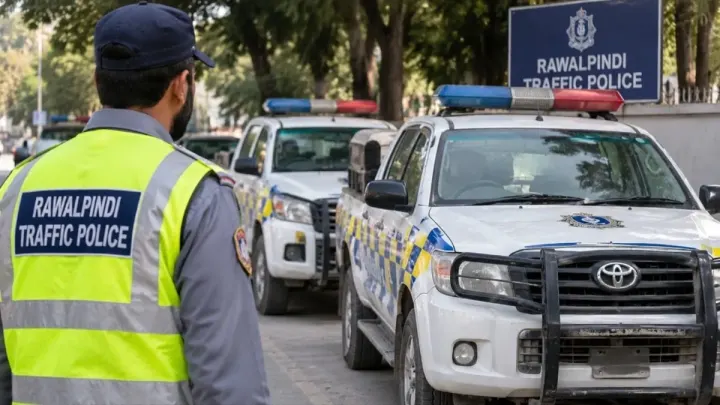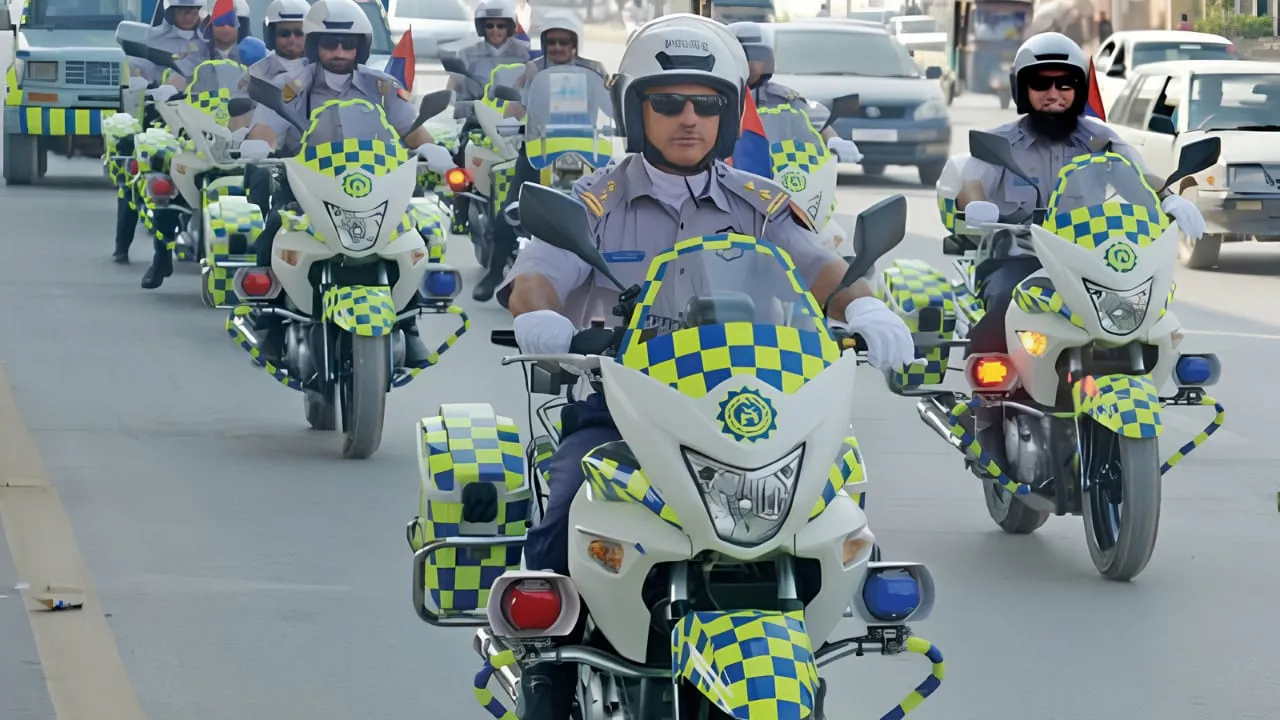
Rawalpindi Traffic Police has begun inspecting its official vehicles. Specifically, the department will keep mechanically unfit police vehicles off the roads of Rawalpindi until they receive the necessary repairs. Furthermore, the department will take action against drivers found negligent in maintaining government vehicles.
What Prompted the Inspection of Police Vehicles?
On Friday, November 20, 2026, the department launched the first phase of a systematic review of its fleet. Chief Traffic Officer (CTO) Farhan Aslam explained that the move responds to growing concerns about vehicle safety and public confidence in traffic enforcement. In recent years, several incidents involving police vehicles breaking down during peak traffic hours have highlighted the need for stricter maintenance protocols.
How the First Phase Unfolded
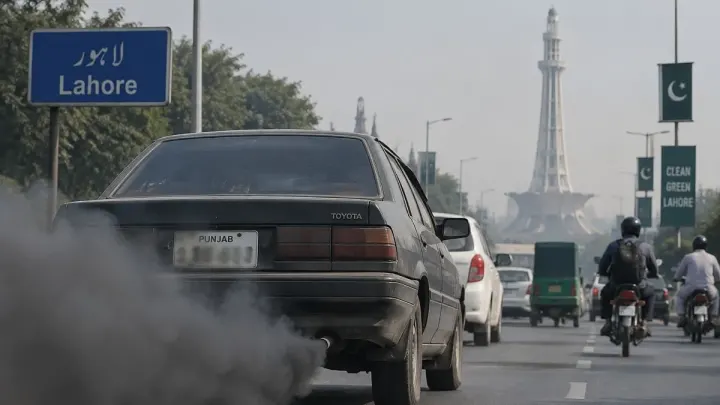
During the checks, officials found three vehicles, including two forklifts, emitting smoke and in poor mechanical condition. Consequently, authorities immediately removed all three units from field duty. The inspection covered engine oil levels, mechanical and electrical systems, and the overall condition of each vehicle. The CTO directed staff to arrange necessary repairs and ensure regular maintenance.
Scope of the Rawalpindi Traffic Police Fleet
Currently, Rawalpindi Traffic Police operates a fleet of 45 vehicles and 550 motorcycles. These assets support traffic management, VVIP security duties, and rapid response to accidents. The fleet includes patrol cars, vans, and specialized equipment such as forklifts used for road-side operations. The inspection process will continue beyond the first phase. Accordingly, the department will inspect the remaining vehicles in the coming days to ensure mechanically unfit police vehicles stay off the roads in Rawalpindi.
Why Vehicle Fitness Matters for Public Safety
Mechanically sound police vehicles are essential for maintaining order on busy urban roads. A breakdown can cause traffic snarls, delay emergency response, and increase the risk of accidents. By removing unfit units, the traffic police aim to reduce these secondary hazards. The policy also sends a clear message that public resources will be safeguarded through disciplined upkeep.
What the Inspection Process Involves
The department follows a checklist that includes:
- Engine oil quality and level checks
- Inspection of brakes, suspension, and steering components
- Verification of electrical system integrity, including lights and communication devices
- Assessment of overall body condition for rust, corrosion, or structural damage
Each vehicle receives a pass or fail rating. Failed units are tagged for immediate removal and sent to authorized service centers. Repairs are logged, and a follow-up inspection confirms compliance before the vehicle returns to duty.
Enforcement Against Negligent Drivers
Beyond vehicle condition, the CTO warned that drivers who neglect maintenance will face disciplinary action. This includes formal warnings, suspension of driving privileges, or further penalties under departmental regulations. The policy aligns with broader government directives on asset management and fiscal responsibility.
Impact on Traffic Operations and VVIP Security
With 45 vehicles and 550 motorcycles, the fleet is a critical component of Rawalpindi's traffic control strategy. Removing three units represents a small fraction, but the precedent ensures that any future lapses will be addressed swiftly. The department expects minimal disruption because replacement vehicles are kept on standby, and motorcycles can fill short-term gaps.
What Comes Next for the Inspection Programme
The next phase will target the remaining 30-plus vehicles not examined on November 20. Officials plan to complete the full review within the next two weeks, pending weather conditions and service centre capacity. After the comprehensive audit, the traffic police will publish a maintenance schedule and a public report detailing the status of each asset.
Practical Takeaways for Police Personnel and the Public
Police drivers should verify oil levels and report any unusual noises or smoke before starting a shift. Citizens can expect smoother traffic flow as fewer police vehicles break down on main arteries. The initiative also reassures residents that the department is committed to using public funds responsibly.
By institutionalising regular checks, Rawalpindi Traffic Police aims to set a standard for other law-enforcement agencies across the country. The effort reflects a broader trend toward accountability and proactive asset management in public services.