MPs Slam Government Over Nanny State Student Guides
Members of Parliament have strongly criticized government officials following the release of official guides telling university students how to take out bins, clean their phones, and manage shared kitchens. The material was published by public bodies aimed at new arrivals entering higher education, offering basic instructions on household chores and daily hygiene.
The publications include detailed directions on how to prevent arguments over shared kitchen appliances. Bureaucrats provided advice on keeping living situations drama-free by labeling frozen items and wiping down refrigerator door handles. Lawmakers have questioned the use of public funds for producing such elementary advice for adults.
What the Government Student Guides Contain
The Food Standards Agency published a guide in September addressing communal living arrangements in higher education housing. The publication noted that fridge politics in shared houses can get messy. It instructed students to stock up on cleaning products that kill bacteria and viruses.
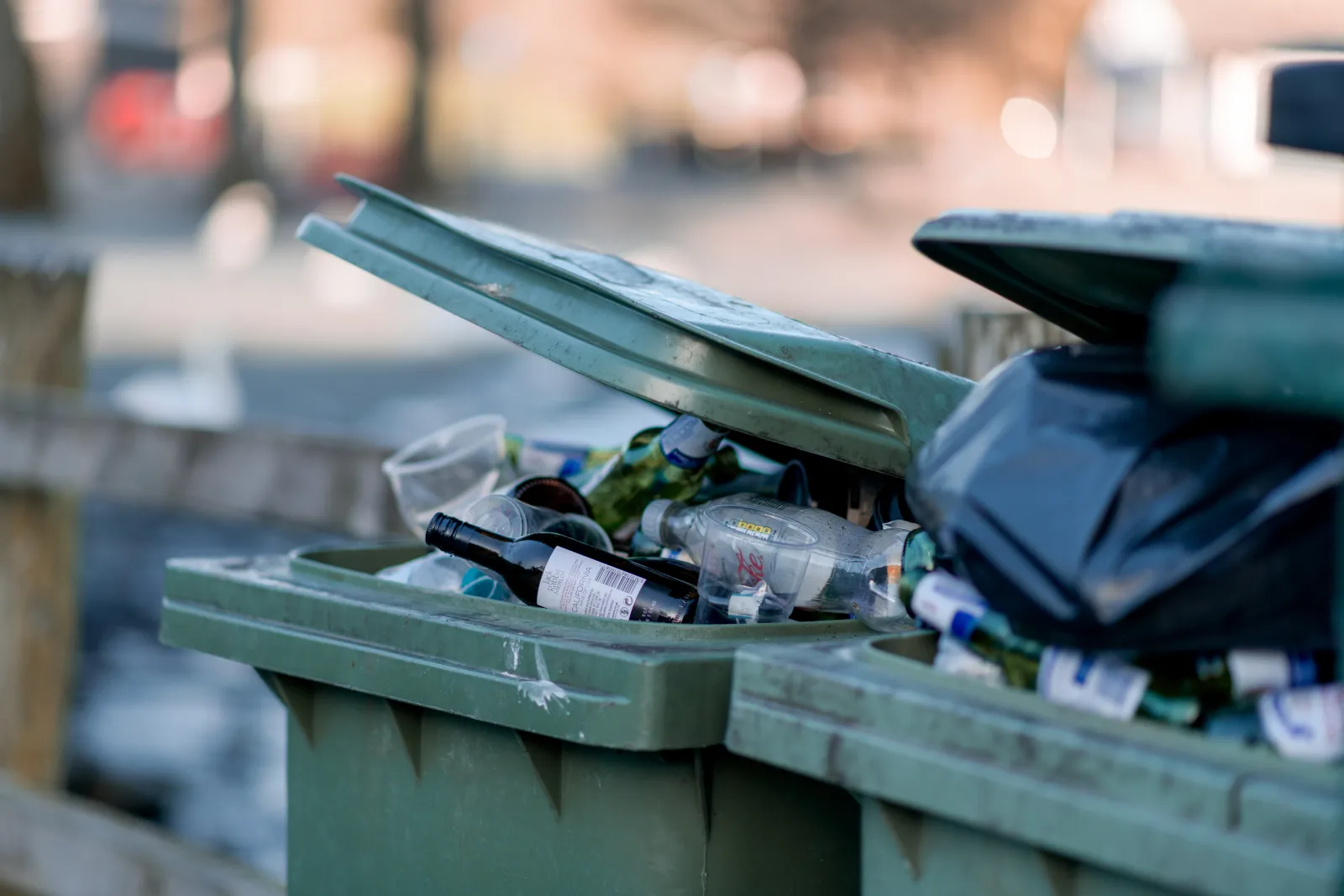
The guidelines also told young adults to take the bins out regularly, adding that flies, pests, and bad smells are nobody is idea of a good time. Officials defended the publication by pointing out that there are an estimated 2.4 million cases of food poisoning a year across the country. Proper kitchen hygiene aims to reduce these incidents among inexperienced young adults living away from home for the first time.
Health Agency Issues Additional Student Advice
Alongside the food safety material, the UK Health Security Agency issued its own freshers guidance focusing on hygiene and illness prevention. This separate document instructed university attendees to open windows to let in fresh air and put used tissues in bins. The health body outlined steps for avoiding seasonal illnesses and spotting serious conditions.
A guide on flu and how to spot meningitis stated that individuals should wash hands often with warm water and soap. It added instructions to use tissues to trap germs when coughing or sneezing, and bin them straight away. Representatives for the health agency stated that sharing simple steps helps stop the spread of viruses in close living quarters like university halls.
Political Reaction to Taxpayer-Funded Bureaucracy
Mike Wood, shadow Cabinet Office minister, expressed harsh criticism regarding the publications. He stated that the nanny state is completely out of control. He argued that this is the sort of nonsense that happens when bureaucrats have endless public money and no sense of perspective.
The opposition politician suggested sarcastically that the next big announcement might involve a national taskforce to stop students going to the pub. He added that families are being squeezed for every penny while this bureaucracy spends millions treating adults like toddlers. According to his statement, Britain needs fewer taxpayer-funded lectures on how to live and a lot more common sense about how public money is spent.
Understanding Public Health Campaigns in Higher Education
Government bodies frequently issue advisory materials targeted at young adults entering universities. These campaigns usually coincide with the start of the academic year, often referred to as freshers week. Public health officials design these messages to reach demographic groups that may be living independently for the first time.
Shared accommodation often presents unique sanitary challenges due to high occupancy and diverse cleaning habits. Public health organizations argue that preventive education reduces strain on health services by curbing outbreaks of common illnesses and food-borne pathogens. Critics, however, maintain that basic household management falls outside the proper scope of government intervention.
The Debate Over Government Spending and Adult Competence
The recent controversy highlights an ongoing political debate regarding the boundaries of state involvement in daily life. Opponents of such publications argue that issuing instructions on waste disposal and phone cleaning treats university students as incapable adults. They question the financial cost of drafting, designing, and promoting these digital pamphlets.
Supporters of public safety outreach contend that clear communication prevents costly medical emergencies. Food poisoning and viral outbreaks can disrupt academic performance and local healthcare facilities. Agencies maintain that providing accessible facts remains a core part of public administration, regardless of how basic the instructions might appear to the general public.