Mum Discovers Son Has Hodgkin Lymphoma After Doctors Blamed Symptoms On Anxiety
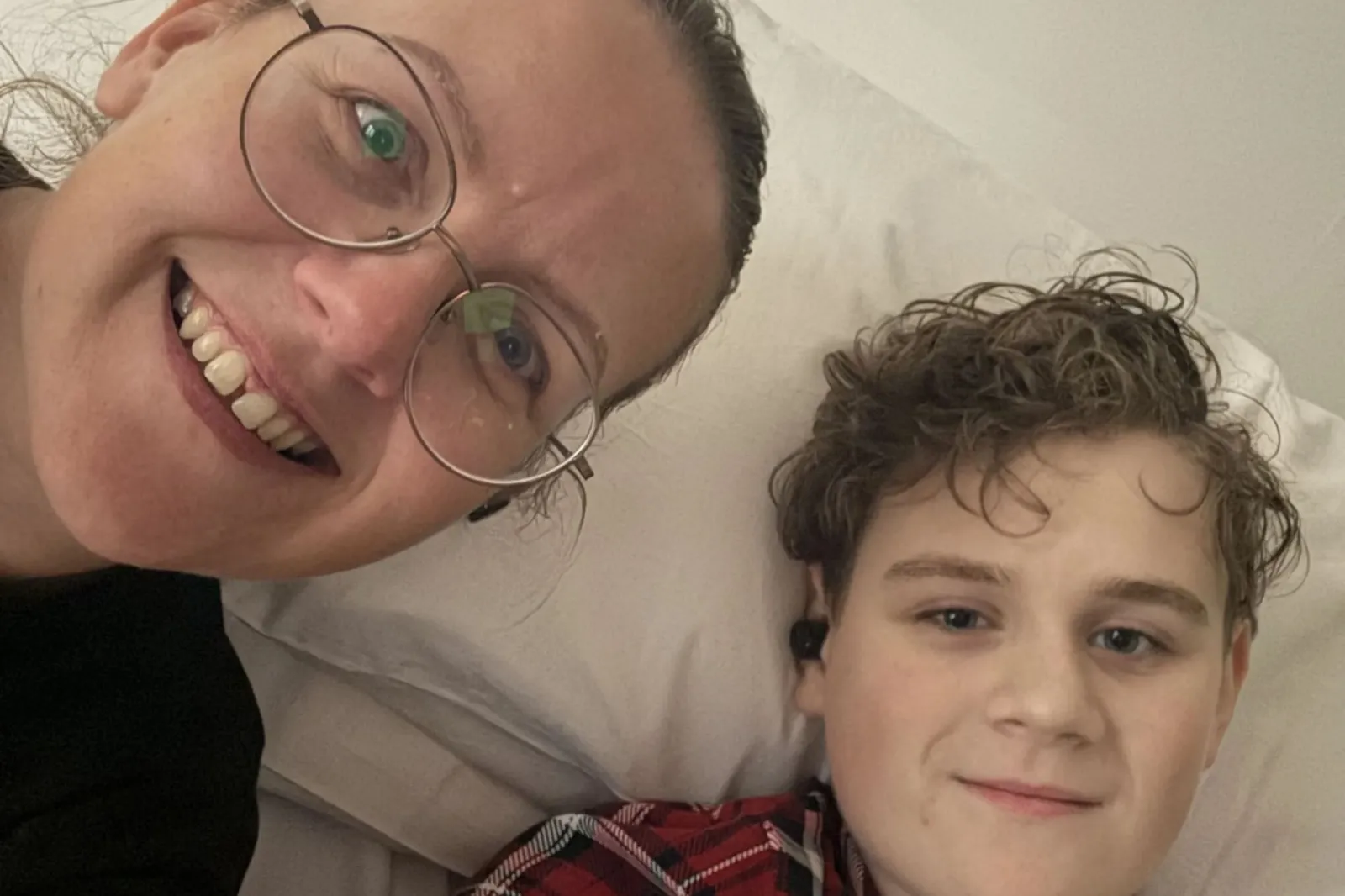
When Amy-Jessica Millard experienced a cancer diagnosis in March 2024, her family was plunged into a stressful medical journey. Little did the stay-at-home mum know that her health battle would soon be mirrored by her young son, whose own serious illness was initially misattributed to psychological stress.
The 43-year-old resident of Aldershot, Hampshire, finished her rigorous breast cancer treatment, which comprised surgery, chemotherapy, and radiotherapy, in April 2026. However, just two months later in June 2026, her son Theo began displaying sudden health warning signs that doctors initially linked to worry over his mother's condition.
How Anxiety Symptoms Masked Serious Child Cancer Signs
Theo, who has autism and a pre-existing anxiety condition, became extremely worried that he might also contract cancer while watching his mother undergo treatment. When he suddenly began vomiting out of the blue and lost his appetite, family concerns grew quickly.
Amy-Jessica took her son to general practitioners multiple times shortly after the issues started. Because of his known history of mental health struggles, a hospital paediatrician ultimately attributed his physical decline to anxiety and ordered an ultrasound as a precautionary measure.
While waiting for those results, the family arranged counselling sessions through a local children support organisation to help Theo manage his nerves. Unfortunately, his physical condition worsened during this period, bringing back pain, body aches, abdominal tenderness, fevers, chills, and drenching night sweats.
Medical Timeline Leading Up to the Hodgkin Lymphoma Diagnosis
The turning point in Theo's care arrived on October 7 during a routine follow-up appointment. A general practitioner spotted an enlarged lymph node on the boy's neck and immediately referred him back to hospital paediatric specialists.
Subsequent hospital scans, including an ultrasound and an MRI, revealed the alarming truth. On October 14, Amy-Jessica received the devastating confirmation that her son had Hodgkin lymphoma.
Additional imaging showed that the blood cancer had already spread to multiple lymph nodes located around Theo's abdomen. The family is currently waiting to determine the specific subtype of the disease to finalise a formal treatment programme.
Understanding Hodgkin Lymphoma Symptoms and Statistics
Hodgkin lymphoma is an uncommon form of cancer that originates within white blood cells known as lymphocytes, which normally help the body fight off infections. According to health service data, the condition primarily affects young adults or individuals aged 75 and older.
The disease typically presents with painless swellings in the body glands, most frequently in the neck, armpits, or groin. Additional warning signs can include high temperatures, night sweats, itchy skin, and sudden, unintentional weight loss.
National health figures show approximately 2,100 individuals receive a diagnosis of Hodgkin lymphoma annually across the United Kingdom. B-lymphocytes multiply abnormally in this condition, gathering in the lymphatic system and losing their infection-fighting capabilities.
A Mother Calls on Parents to Trust Their Parental Instincts
Having navigated her own successful battle against breast cancer just months prior, Amy-Jessica possesses a unique and painful perspective on what her son now faces. She noted that she felt an immediate internal certainty when doctors delivered the news because her maternal instincts had already warned her.
Despite the overwhelming nature of facing two separate cancer battles within the same household, she has praised her son for his extraordinary bravery. Her youngest child was only five years old when she received her initial diagnosis, meaning both of her boys have experienced major disruptions and emotional stress.
To help manage the financial strain of frequent travel to and from the hospital, the family established an online fundraising page via GoFundMe. Amy-Jessica now uses her platform to urge other parents to listen to their gut feelings when medical symptoms do not seem right.
"You need to advocate for yourself and your children and just trust your instincts when you know something isn't right," she said.