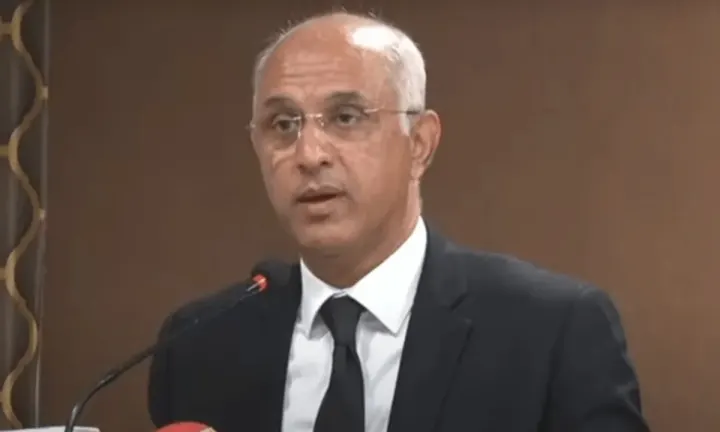
National Database and Registration Authority has broadened its international offerings for Pakistani nationals, while the deployment of QR-code-enabled National Identity Cards for Overseas Pakistanis moves forward in stages. Interior Minister Senator Mohsin Raza Naqvi submitted this confirmation through a written response to the National Assembly.
Naqvi withheld any projection regarding how many expatriates face travel limitations tied to expired or invalid NICOPs. He stated that the inquiry did not relate to NADRA, leaving unresolved questions regarding the scale of travel hurdles for citizens abroad.
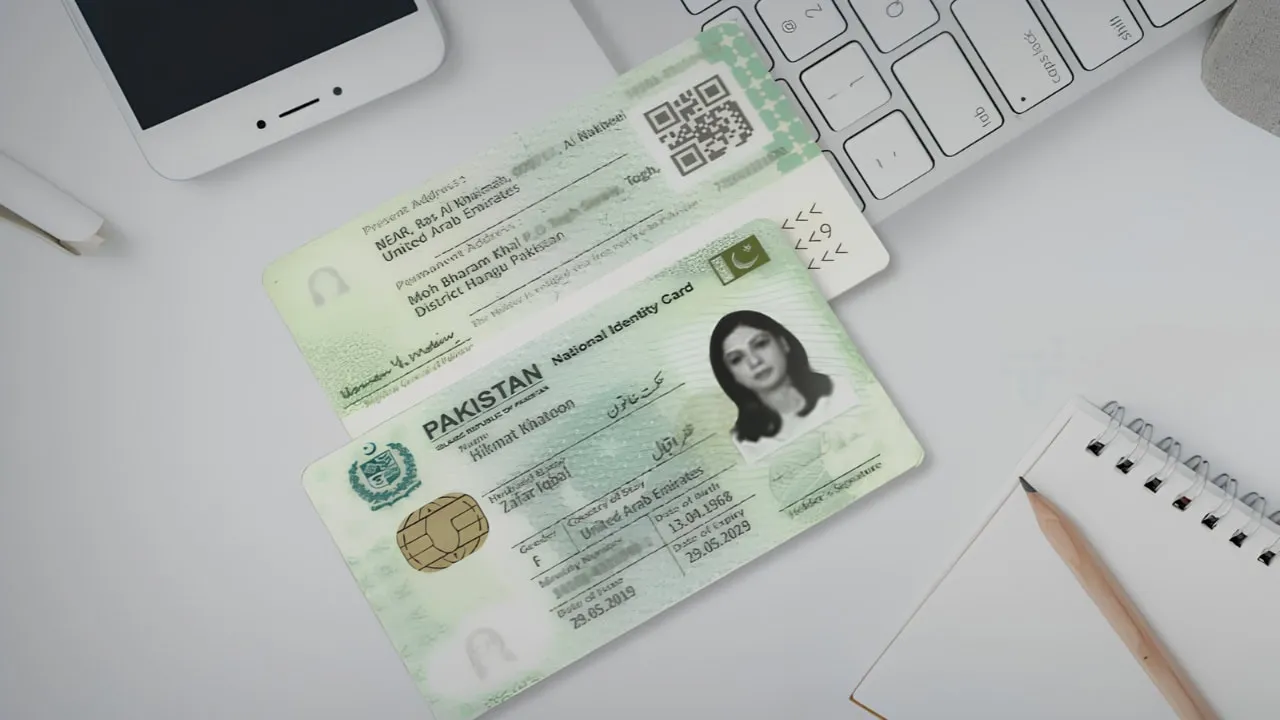
Approval for the updated polycarbonate identity card design featuring QR codes came on February 23, 2026. Authorities subsequently updated the National Identity Card and Pakistan Origin Card Rules, 2002 on February 24, 2026, supplanting the previous chip-driven card framework.
Protected details, including family numbers, reside within the QR code on every card and remain accessible via the Pak ID mobile application without requiring dedicated hardware readers.
Practical difficulties with chip-based credentials prompted the shift to the QR setup, as establishing reader networks nationwide involved high expenses and compatibility hurdles. The newer polycarbonate cards also provide enhanced security and longevity, while local manufacturing aims to lower dependency on foreign card supplies.
Several initiatives now assist overseas citizens with acquiring and updating identification documents. Ten registration units operating within diplomatic missions have adopted NADRA's Pak ID software to boost daily output for NICOP renewals.
Weekend Mobile Registration Operations function in the United Kingdom, Saudi Arabia, and Dubai to assist expatriates unable to attend offices during standard business hours, while 25 desks at foreign missions process web applications and standard identity requests.
Remote submission and processing through the Pak ID smartphone application allow expatriates to complete paperwork renewals without traveling to offices for standard procedures.
Digital identity credentials also launched under an SRO on September 9, 2025, granting qualified cardholders access via the Pak ID software with identical legal status to physical cards.
Current Smart CNICs, Smart NICOPs, and Smart POCs remain functional during the changeover, with production continuing based on relevant regulations and supply stocks.
The minister omitted any outreach plan for addressing public uncertainty surrounding the updated mandates, and officials have not disclosed exact figures on citizens impacted by travel policy updates.