Nigel Farage Addresses Security Threats and Family Toll in Frontline Politics
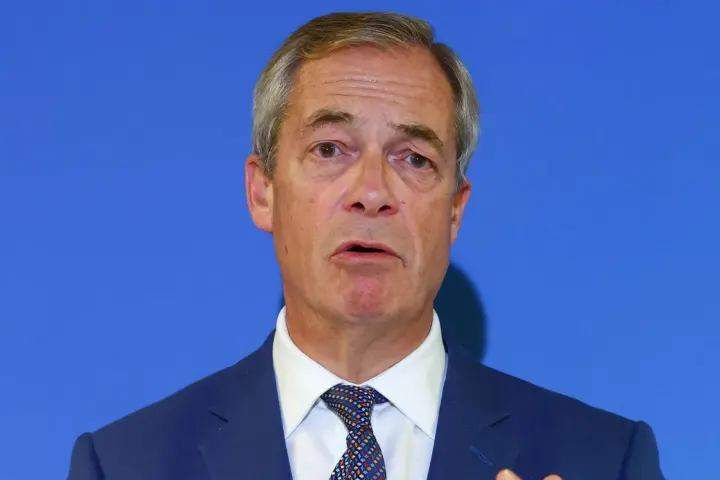
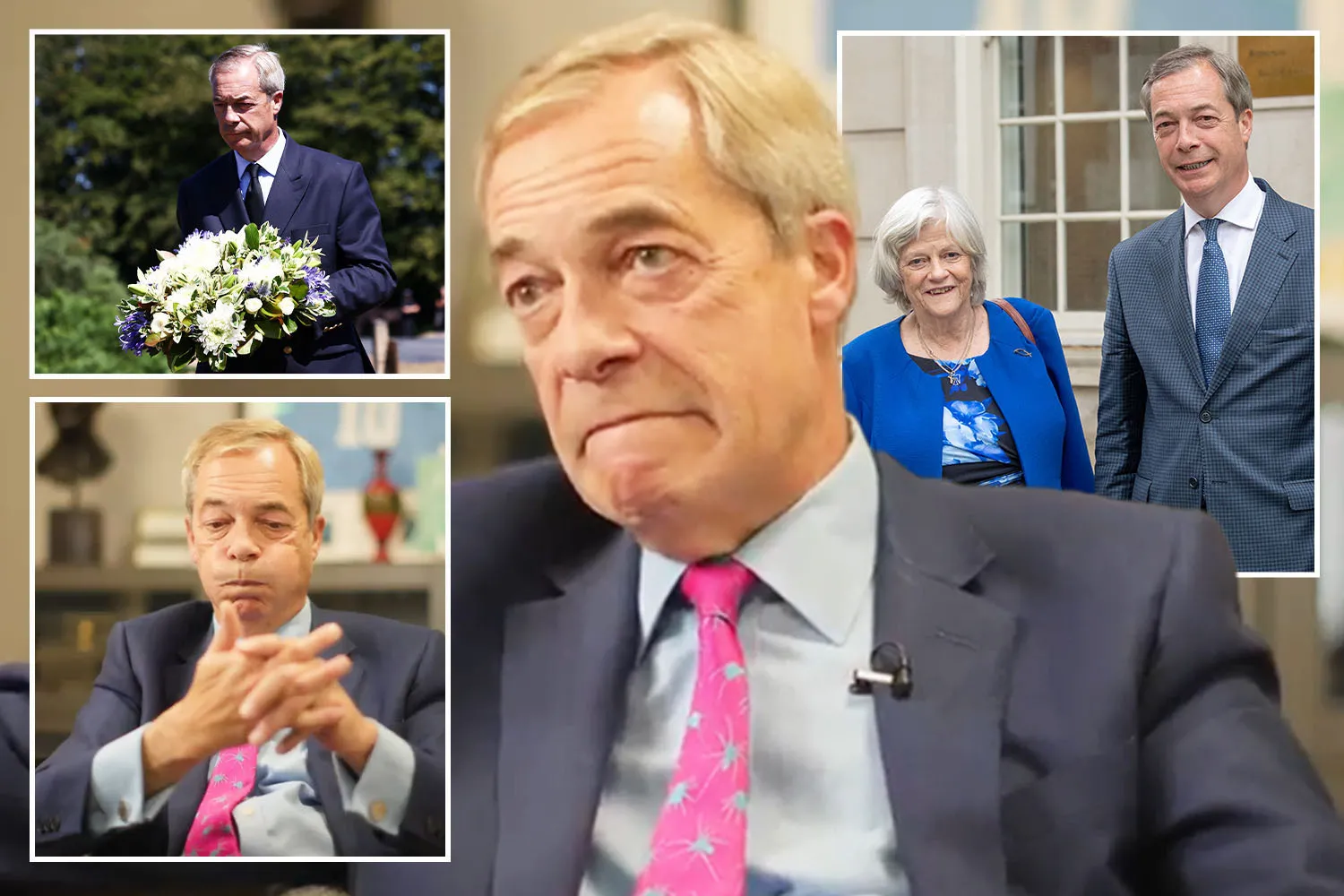
Reform leader Nigel Farage has opened up about the severe personal toll his career in frontline politics has taken on his private life, acknowledging that his family has been very upset by the constant security threats he faces. Speaking candidly in a recent media interview, the prominent Brexiteer reflected on the heavy burden of public life, particularly in the wake of the killing of his party colleague Anne Widdecombe this year.
The safety concerns surrounding modern political figures have intensified dramatically in recent years. Mr Farage now travels with a full security detail, a stark reality that also affects many of his fellow Reform politicians who have similarly been assigned protection. The physical constraints on his daily routine highlight the growing dangers associated with high-profile political leadership in contemporary Britain.
Reflecting on his lost anonymity, Mr Farage explained that he can no longer move freely through public spaces. He stated that he would much rather be able to hop on the number 14 bus, but noted that has not been the case for many years and will not be the case ever again as long as he lives. The threats to his safety reached a new emotional peak following the alleged murder of Anne Widdecombe, an event that he claims involved a suspect who had targeted him the previous year.
Why Nigel Farage Believes He Remains the Only Option to Lead Reform
Despite the profound personal risks and the emotional strain placed upon his family, Mr Farage remains steadfast in his commitment to leading his political movement. When confronted with the existential question of whether he should step down from his demanding position, he reasoned that no suitable alternative candidate exists within the current political landscape to take up his mantle.
In his emotional remarks, he questioned who else could or would do the job if he vacated his post. Asserting that he does not see any other capable person ready to step forward, he firmly declared that he is going to continue doing it. This sense of absolute necessity drives his decision to remain at the helm, despite the personal costs.
Mr Farage also addressed his future participation in upcoming national ballots. Rejecting speculation that he might throw in the towel and abandon his political ambitions, he confirmed that he intends to fight the next general election as Reform leader, provided he remains here and fit and healthy. Displaying his characteristic defiance, he remarked that if anyone asks whether he has the energy and enthusiasm for another hard-fought campaign, he is fully ready for it.
Current Standing of Reform in National Opinion Polls
The personal reflections of the Reform leader come at a challenging time for his party's electoral fortunes. Reform has experienced a notable decline in national support, slipping down in public opinion surveys after previously enjoying a commanding position. Last year, the party commanded a significant 10-point lead over Labour, generating immense momentum for its anti-establishment platform.
Recent data tells a different story for the political movement. According to Politico's poll of polls, Reform has slipped back to joint-second place alongside the Conservatives, positioning the party seven points behind the Prime Minister. This contraction in public backing reflects a turbulent period for the populist party as it seeks to regain its earlier electoral dominance.
When asked directly by interviewers if he had blown his chances of ever attaining national power, Mr Farage hit back with an emphatic negative response, insisting that he is far from finished. He openly admitted that there have been self-inflicted wounds over the past year which contributed to the dip in support, but maintained his underlying belief that he still possesses a viable shot at becoming the next Prime Minister.
The Broader Context of Security and Political Leadership in the United Kingdom
The safety of elected representatives and political figures has become a central concern for British authorities, law enforcement agencies, and Parliament. The tragic deaths of high-profile politicians in recent years have fundamentally altered how public figures interact with the electorate. Enhanced police protection and rigorous vetting procedures are now standard operational requirements for leaders of major and insurgent political parties alike.
For populist movements like Reform, the identity and personal brand of the leader often dictate the entire political fortunes of the organisation. Mr Farage remains the foundational figurehead of the party, having steered its various iterations through decades of Eurosceptic campaigning and populist electoral battles. His personal decision to stay on despite family distress underscores the reliance of such political formations on a single charismatic individual.
As the political cycle moves forward, observers will be watching closely to see how Reform addresses its recent polling setbacks and internal hurdles. The party must balance its ambitious electoral goals against the stark logistical realities of operating under heightened security protocols. For now, Mr Farage appears fully committed to maintaining his grip on the leadership and driving his movement toward the next major ballot.