NHS Hospital Declares Critical Incident Amid Flu Surge and Long A&E Waits
A major NHS hospital group has declared a critical incident after facing severe operational pressures on its healthcare services. University Hospitals of Derby and Burton NHS Foundation Trust announced that emergency departments are grappling with overwhelming demand that has resulted in lengthy waits for patients seeking medical attention across the region.
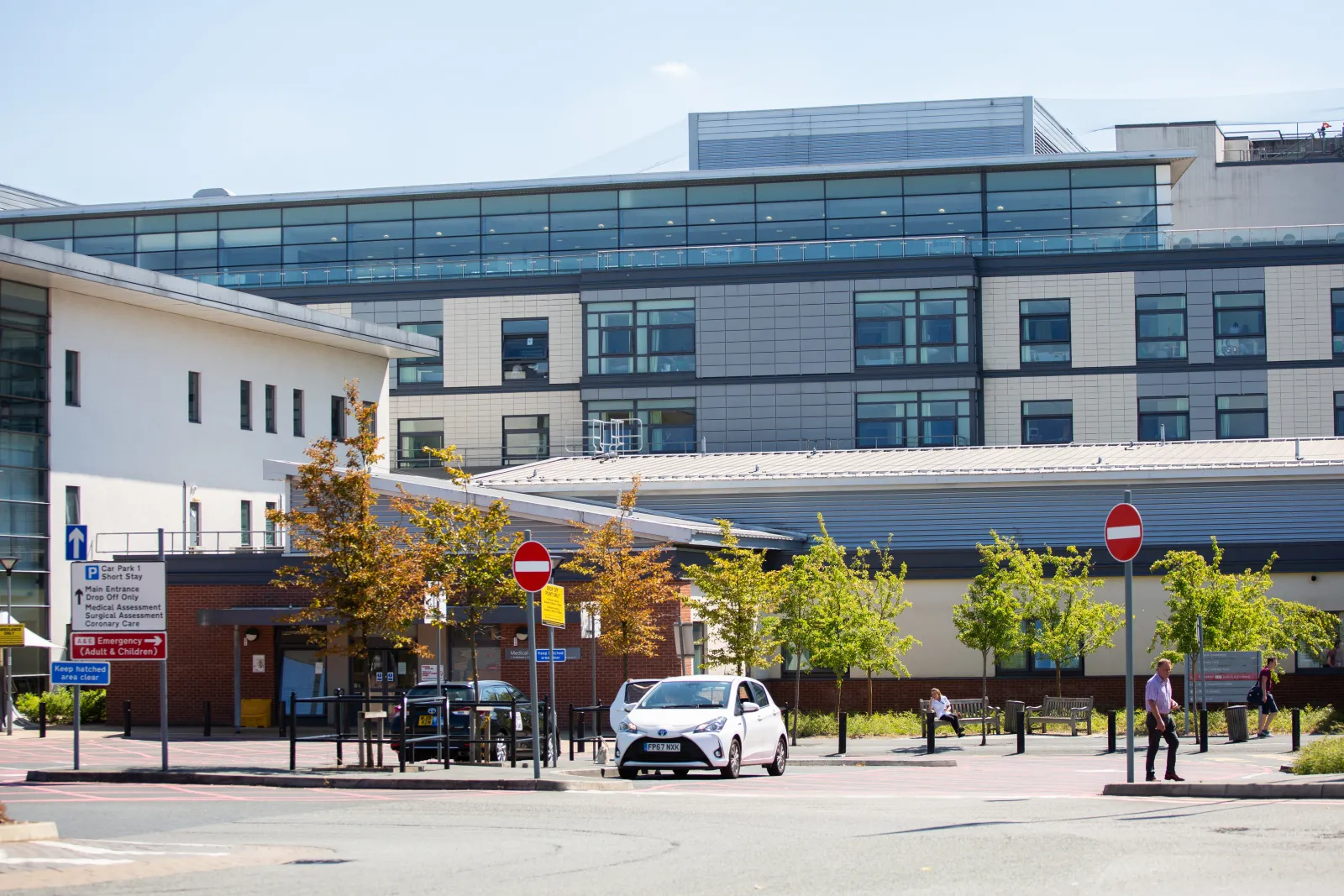
Royal Derby Hospital is experiencing the most acute operational pressures, according to the trust, with emergency department waiting times averaging around nine hours. Hospital leadership attributed the strain primarily to seasonal respiratory illnesses, including influenza and Covid, which have compounded the usual winter demand and forced authorities to declare the alert to manage patient flow.
What Caused the Critical Incident at Derby and Burton Hospitals?
The sudden surge in hospital admissions is largely driven by a combination of seasonal infections circulating widely within the community. The trust reported having about 67 flu cases and 24 patients with confirmed Covid at Royal Derby Hospital currently, creating a bottleneck in emergency care facilities.
Seasonal respiratory infections typically peak during the winter months, placing extraordinary demands on acute care trusts across the country. Hospitals must manage infectious patients by isolating them, which reduces available bed capacity and slows down the overall movement of patients from emergency rooms to hospital wards.
The situation in Derby mirrors wider national trends affecting the National Health Service during the colder months. Increased vulnerability among elderly populations and individuals with underlying health conditions leads to a higher rate of hospital admissions that strain existing medical resources.
How the National Health Service Manages Critical Incidents
Declaring a critical incident is a formal step that allows a hospital trust to draw on additional support from across the wider health system. This internal mechanism signals that normal procedures are insufficient to cope with demand, enabling managers to take extraordinary measures to maintain safe services.
Such measures often include canceling non-urgent procedures, reallocating clinical staff to emergency departments, and fast-tracking discharges for patients who are medically fit to leave. Trusts also collaborate closely with regional social care providers and neighboring health boards to share the burden of emergency admissions.
The designation helps coordinate a multi-agency response, ensuring that regional ambulance services, community nurses, and primary care networks work in tandem to alleviate pressure on overcrowded emergency departments.
What Hospital Bosses and Officials Are Advising Patients
In response to the escalating crisis, hospital executives have issued direct guidance to the public to help reduce the burden on front-line medical staff. Bosses urged members of the public only to attend emergency departments for life-threatening emergencies.
Jo Wright, the trust interim executive chief operating officer, spoke about the measures being taken to handle the influx. Our hospitals are very busy, but we have plans in place to help us manage periods like this safely, she stated.
We are putting additional clinical support where it is needed most, helping patients move through their care as quickly and safely as possible, and working with our partners to help people who are ready to leave hospital do so, Wright added.
She emphasized that hospitals remain open for those who genuinely need urgent attention. We are still here for everyone who needs our care, she said. So if it is an emergency, please do not hesitate to come to our Emergency Departments, and please continue to attend any planned appointments unless we contact you to tell you otherwise.
The trust is also asking families to collect relatives who are ready for discharge as soon as possible to help free up beds for incoming patients. The trust warned that people with non-life-threatening conditions may face extremely long waits at emergency departments.
Patients with less severe conditions are being strongly encouraged to use alternative healthcare pathways, such as contacting NHS 111, visiting their GP, consulting a local pharmacy, or attending an urgent treatment centre.
Broader Pressure Across Nottinghamshire and National A&E Statistics
The crisis is not confined to Derby, as a similar situation is currently putting strain on hospitals in nearby Nottingham. On Tuesday, Nottingham University Hospitals NHS Trust reported a sharp increase in Covid and flu cases, alongside sustained pressures and high admissions.
Patients at Queen's Medical Centre emergency department and Nottingham City Hospital are facing long waits, with some individuals forced to wait in ambulances for up to four hours before being admitted into the hospital facility.
These regional pressures coincide with the release of the latest monthly NHS figures earlier this month, which revealed that more than 3,500 patients a day received care in hospital corridors or makeshift treatment areas in England during October.
Furthermore, nearly 58,000 patients waited more than 12 hours for a bed on a ward, a severe delay that medical experts note can double the risk of patient mortality. According to the NHS England monthly A&E performance data, a record 2.5 million people went to emergency departments last month, marking the highest monthly total ever recorded in the history of the health service.